World News
Trump Could Overshadow Starmer’s NATO Farewell as UK Defence Spending Faces Fresh Scrutiny
As Sir Keir Starmer heads to what could be his final NATO summit as Prime Minister, questions remain over whether Britain’s new defence spending pledge will satisfy US President Donald Trump and NATO allies.

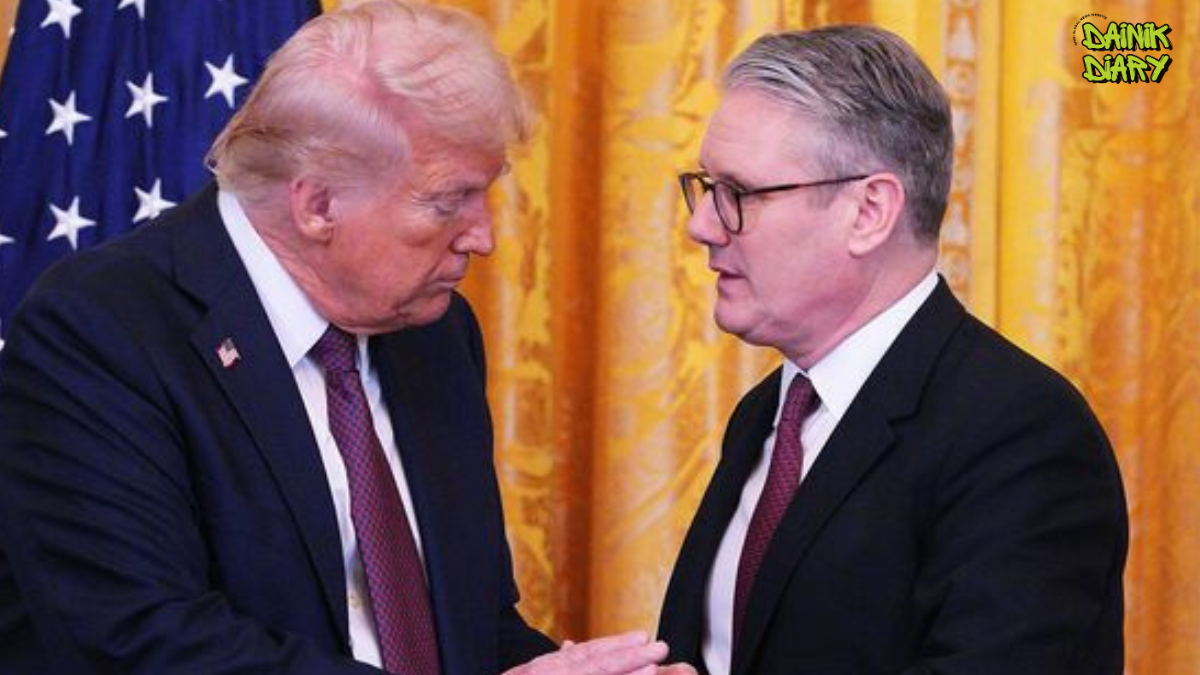
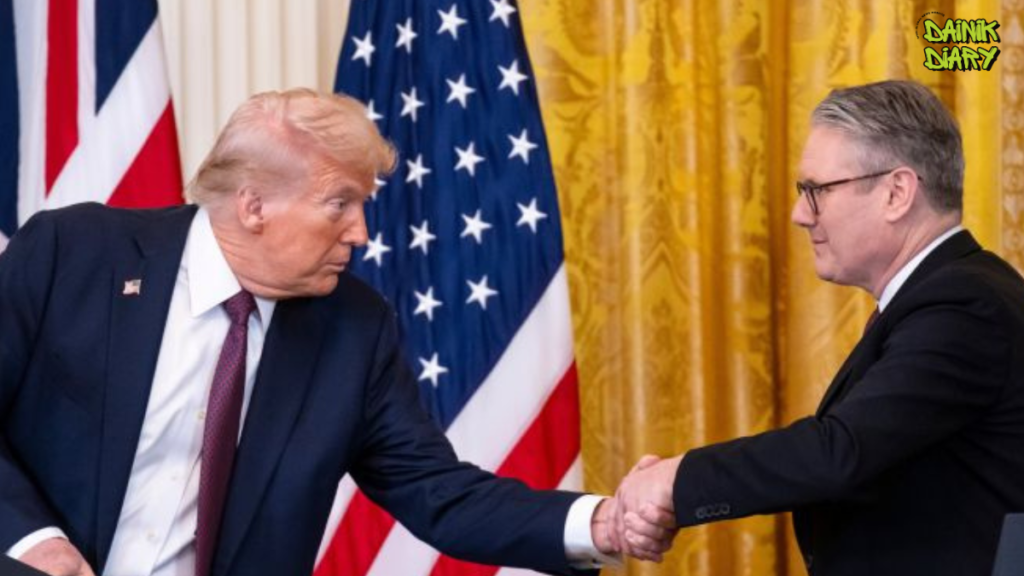
UK Prime Minister Sir Keir Starmer is expected to make what could be his final appearance on the international stage at this week’s NATO Summit in Turkey, but the visit may be overshadowed by renewed scrutiny from US President Donald Trump over Britain’s defence spending commitments.
Just days before the summit, Starmer unveiled a £15 billion defence spending package, presenting it as a major step towards strengthening the United Kingdom’s military capabilities and reassuring NATO allies of Britain’s long-term commitment to collective security.
However, analysts believe the announcement may not be enough to satisfy Trump, who has repeatedly urged European allies to shoulder a greater share of defence responsibilities.
Britain Raises Defence Spending
Under the new plan, the UK government says defence-related spending—including investments in energy security and critical infrastructure—would eventually amount to 4.2% of GDP.
Despite the headline figure, Britain’s core defence expenditure is projected to reach around 2.7% of GDP by 2030, still below the 3% interim benchmark that many NATO members are aiming for before moving towards the alliance’s longer-term 5% target.
The gap has fuelled concerns among defence experts and some NATO partners over whether the UK is moving quickly enough.
Trump Expected to Keep Pressure on Allies
Throughout his presidency, Donald Trump has consistently argued that European nations should contribute more towards NATO’s collective defence.
Political analysts believe the US President could once again raise the issue during the summit, particularly with countries that remain below the alliance’s preferred spending levels.
While Starmer hopes the latest funding package demonstrates Britain’s commitment, observers suggest Washington may continue pushing for faster progress.
ALSO READ : Trump Warns Iran ‘We Will Hit Very Hard Tonight’: Why Kharg Island Has Suddenly Become The Center Of A Dangerous New Standoff
NATO Allies Also Seeking Greater Commitment
The debate over defence spending extends beyond the United States.
Several NATO members have already announced ambitious military investment plans, with countries such as Germany, Poland, and several Baltic nations significantly increasing defence budgets in response to evolving security challenges across Europe.
Recent discussions within NATO have also focused on ensuring member states remain on track to meet agreed spending commitments in the coming years.
Strong UK-US Defence Links
One argument likely to work in Britain’s favour is its close defence partnership with the United States.
A significant portion of the UK’s planned investment is expected to support joint defence programmes involving American companies, including the purchase of F-35A fighter aircraft manufactured by Lockheed Martin.
British officials have also highlighted that defence cooperation between the two countries supports thousands of jobs on both sides of the Atlantic while strengthening shared military capabilities.
Investments in areas such as artificial intelligence, cyber security, and advanced defence technologies could also create new opportunities for American firms.
A Crucial Summit for Britain’s Global Standing
The NATO summit comes at a critical moment for European security, with continued concerns over Russia, the future of transatlantic cooperation, and increased defence preparedness across the alliance.
For Starmer, the meeting represents an opportunity to reaffirm Britain’s role as a key NATO member and demonstrate its commitment to collective security.
Whether the UK’s latest defence spending pledge is enough to satisfy President Trump and other allies, however, is likely to remain one of the summit’s most closely watched political questions.