Sports
Donald Trump’s Call, FIFA’s U-Turn and a World Cup Controversy: How Folarin Balogun’s Ban Suddenly Disappeared…
A reported conversation between US President Donald Trump and FIFA chief Gianni Infantino has sparked debate after Folarin Balogun’s World Cup suspension was unexpectedly overturned.

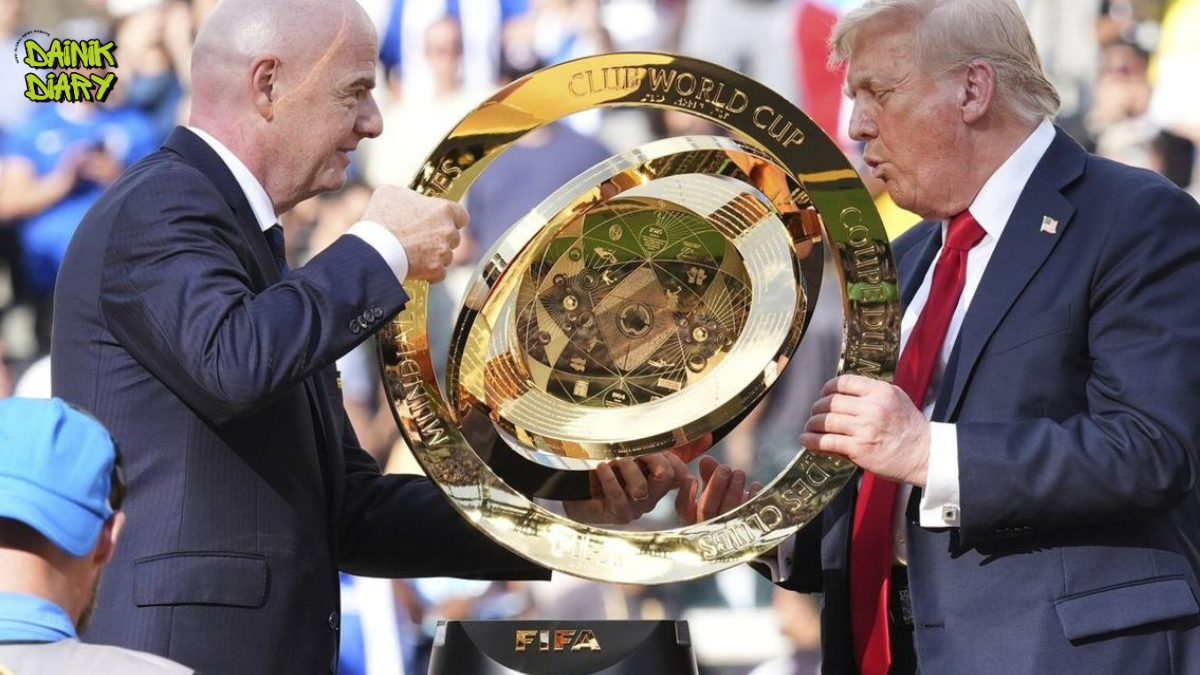
The 2026 FIFA World Cup has found itself at the centre of an unexpected controversy after a dramatic reversal of Folarin Balogun’s suspension raised questions about the role of politics in football.
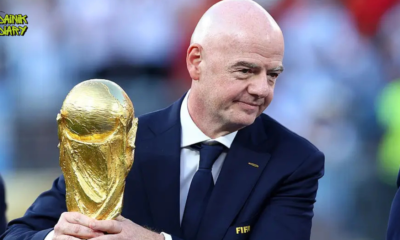
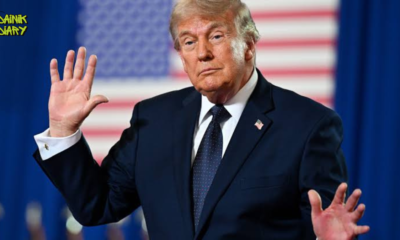
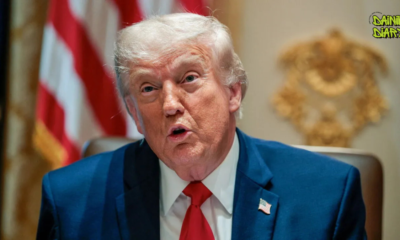
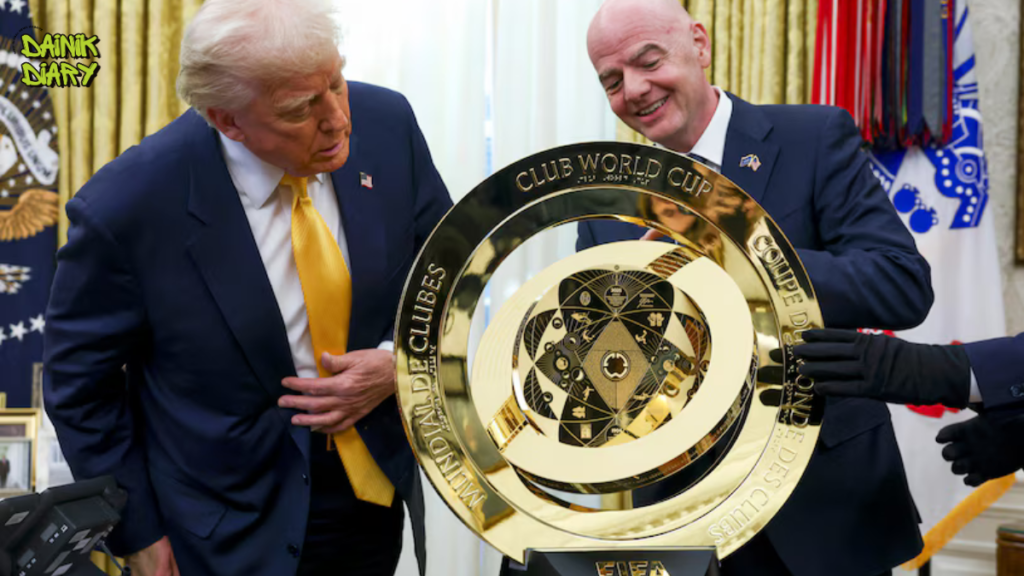
According to reports, US President Donald Trump personally contacted FIFA President Gianni Infantino regarding the red-card suspension handed to United States striker Folarin Balogun. While officials have maintained that the appeal process remained independent, the timing of the intervention and the subsequent overturning of the ban have triggered intense discussions among fans, analysts and football observers worldwide.
ALSO READ : Canada vs South Africa: One Nation Will Make History… World Cup Dream Set for a New Chapter
The controversy began when Balogun was shown a red card during a crucial World Cup fixture, resulting in an automatic one-match suspension. The decision was expected to rule the striker out of the United States’ next major match, dealing a significant blow to the host nation’s campaign.
However, events took a surprising turn when an appeal against the suspension was reviewed and eventually accepted. The decision cleared Balogun to return to action, instantly becoming one of the most talked-about moments of the tournament.
What has drawn even greater attention is the reported involvement of President Trump. A US official reportedly confirmed that Trump spoke directly with Infantino to better understand the circumstances surrounding the dismissal and the punishment imposed on the American forward.
While there is no official indication that the conversation influenced the outcome of the appeal, critics argue that the sequence of events has created an appearance problem for FIFA. Supporters of the governing body, on the other hand, insist that the appeal panel acted independently and followed established procedures.
The incident has reignited a long-running debate over the relationship between sports governance, political influence, and the integrity of major international competitions. FIFA has frequently stressed its commitment to keeping politics separate from football, but this latest episode has once again placed that principle under scrutiny.
For the United States Men’s National Team, the decision comes as a major boost. Balogun has emerged as one of the squad’s key attacking players, and his availability could significantly strengthen the team’s chances as the competition enters its decisive stages.
Meanwhile, football fans across social media have been divided. Some believe the appeal corrected an unfair punishment, while others question whether a similar outcome would have been possible for a player representing a smaller football nation.
As the World Cup continues, attention is likely to remain fixed on both FIFA and the US team. Whether the controversy fades away or develops into a larger debate about influence and transparency, one thing is certain: the story has become one of the tournament’s biggest talking points.
With the stakes higher than ever, FIFA may now face increased pressure to explain the appeal process and reassure supporters that decisions on the world’s biggest football stage remain fair, transparent and free from external influence.