World News
June 14 or June 15? The Curious Timing Behind the US Iran Peace Deal… And Why Both Sides Claimed Victory
A 7.5-hour time difference allowed Washington and Tehran to celebrate the same historic agreement on different dates, adding an unusual twist to a major diplomatic breakthrough.


Washington/Tehran: The newly announced US-Iran peace agreement has already generated global attention, but one intriguing question has emerged alongside the diplomatic breakthrough: When was the deal actually finalized — June 14 or June 15?
The answer depends entirely on where you were standing when history unfolded.
A significant time-zone difference between Washington and Tehran enabled both governments to present the agreement as having been completed on their preferred date, creating a rare diplomatic situation where the same deal effectively belonged to two different days.
Trump Wanted It Done On His Birthday
US President Donald Trump had publicly indicated his desire to conclude the agreement on June 14, a date that coincided with his 80th birthday.
Shortly after the agreement was finalized, Trump announced the development through a social media post, declaring that the arrangement had been completed and authorizing measures related to maritime operations in the Strait of Hormuz.
The announcement was widely viewed as one of the most significant foreign policy developments of his current term.
Why Iran Chose A Different Date
While Washington celebrated the agreement on June 14, reports suggest that Iranian officials intentionally delayed the final approval process until after midnight local time in Tehran.
Because Tehran is approximately seven and a half hours ahead of the US Eastern Time Zone, Iranian authorities were able to finalize the memorandum after the calendar had already shifted to June 15 in Iran.
As a result, both sides were able to maintain their preferred narrative regarding the timing of the agreement without altering the substance of the deal itself.
Political observers described the move as a diplomatic balancing act that allowed each government to satisfy domestic messaging priorities while preserving momentum in negotiations.
ALSO READ : Historic Takeoff, First Commercial Flight Lands at Noida Airport in Jewar, A New Era for UP Aviation Begins
A Deal With Major Regional Implications
Although several details remain under discussion, the understanding reached between the two countries is expected to serve as a framework for broader negotiations in the coming weeks.
According to Iranian officials, the agreement includes provisions aimed at halting military operations across multiple fronts and reducing tensions in the region.
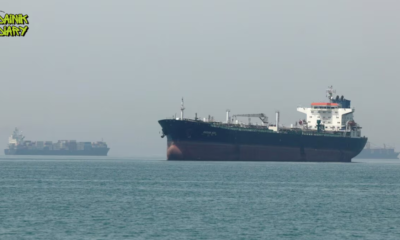
The arrangement is also linked to issues surrounding maritime security and commercial navigation through the strategically vital Strait of Hormuz, a route that handles a significant share of global energy shipments.
The agreement is being viewed as a potentially transformative step after years of strained relations and geopolitical confrontation.
Formal Signing Scheduled In Switzerland

The current understanding is expected to be followed by a formal signing ceremony in Geneva, Switzerland, where representatives from both sides will continue discussions aimed at transforming the memorandum into a more comprehensive agreement.
Negotiators are expected to spend the coming weeks addressing critical issues related to implementation, verification mechanisms, regional security, and long-term commitments.
Iranian officials have emphasized that while the memorandum marks progress, future compliance and monitoring will remain important aspects of the process.
Diplomacy Meets The Clock
The unusual timing of the announcement demonstrates how diplomacy can sometimes be shaped not only by political interests but also by the simple realities of geography and time zones.
In this case, a difference of just seven and a half hours allowed both Washington and Tehran to tell their own version of the story while still reaching the same destination.
Whether remembered as a June 14 agreement or a June 15 breakthrough, the deal could represent a significant turning point in relations between the United States and Iran and potentially influence the future stability of the broader Middle East.