Politics
Arvind Kejriwal Alleges BJP ‘Threatened’ Automakers Over E20 Petrol Debate; BJP Hits Back With Industry Backing
AAP chief Arvind Kejriwal has accused the Centre of intimidating automobile manufacturers over E20 petrol concerns, while the BJP has rejected the allegations, citing support from leading automakers and industry testing.

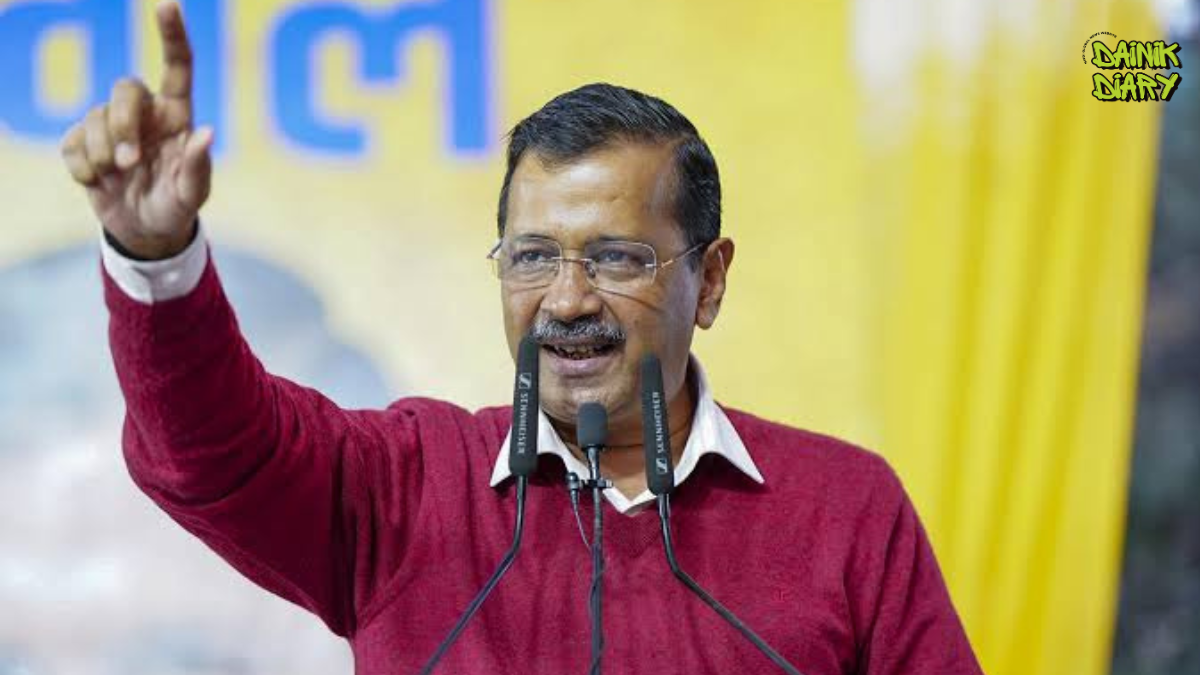
A fresh political confrontation has emerged over the E20 ethanol-blended petrol rollout, with Aam Aadmi Party (AAP) national convenor Arvind Kejriwal accusing the Central Government of pressuring automobile manufacturers to remain silent about the fuel’s compatibility with older vehicles.
The Bharatiya Janata Party (BJP) has strongly rejected the allegations, maintaining that the E20 programme is backed by extensive testing and the support of leading automobile manufacturers.
Kejriwal Claims Automakers Were Reluctant to Respond
Addressing a press conference, Arvind Kejriwal said he had written to 29 manufacturers of motorcycles, scooters, cars and SUVs seeking clarity on whether vehicles manufactured before 2023 were fully compatible with E20 petrol.
According to Kejriwal, none of the companies provided written responses. However, he claimed to have spoken with representatives from nine manufacturers, who allegedly expressed concerns that prolonged use of E20 fuel in older vehicles could affect engines, fuel system components and overall fuel efficiency.
Kejriwal did not publicly identify the companies or provide documentary evidence supporting these claims during the press briefing.
AAP Alleges Government Pressure
Kejriwal further alleged that officials from automobile companies told him they were under pressure from the government not to publicly discuss potential issues related to E20 petrol.
According to the AAP leader, manufacturers allegedly feared possible action from government agencies, including the Enforcement Directorate (ED) and the Central Bureau of Investigation (CBI), if they publicly raised concerns.
He also questioned the nationwide promotion of E20 fuel, claiming that nearly 300 million vehicles, including around 220 million two-wheelers and 80 million four-wheelers, could be impacted if compatibility concerns were not adequately addressed.
Additionally, Kejriwal argued that ethanol offers lower fuel efficiency because of its lower energy content and claimed the programme does not deliver the level of benefits to farmers that the government has projected.
BJP Rejects Allegations
Responding to the accusations, BJP IT Cell chief Amit Malviya dismissed Kejriwal’s remarks as misleading and defended the government’s E20 policy.
ALSO READ : Who Are the Faces Behind the CJP Movement? Meet the IITian, Lawyer, Journalist and Farm Activist Leading India’s Gen Z Protest
Malviya stated that the automobile industry has consistently supported the transition to ethanol-blended fuel after extensive technical evaluation and testing.
He cited statements from industry leaders, including Toyota Kirloskar Motor Country Head Vikram Gulati, who has described E20 as a high-performance and cleaner fuel that underwent rigorous testing, including evaluations involving older vehicles.
Industry Data Cited in Defence of E20
According to the BJP, major automobile manufacturers have repeatedly stated that E20-compatible vehicles have been thoroughly tested before the nationwide rollout.

Malviya also referred to data from companies such as Maruti Suzuki and Hero MotoCorp, claiming that their findings did not indicate significant concerns regarding engine performance or vehicle reliability when using E20 petrol.
The BJP maintained that the E20 rollout followed extensive consultations with automobile manufacturers, fuel companies and other industry stakeholders before being implemented.
Debate Continues Over E20 Rollout
The exchange has added another political dimension to the ongoing discussion surrounding India’s ethanol-blending programme.
While the AAP has demanded greater transparency regarding the impact of E20 fuel on older vehicles, the BJP insists the policy is based on scientific research, engineering validation and industry collaboration.
As the debate continues, questions surrounding fuel compatibility, consumer awareness and the broader objectives of India’s ethanol programme are likely to remain at the centre of public and political discussion.