
Cricket
Why Tilak Varma Became the ‘Villain’ Overnight, Captain’s Decisions Ignite Drama in India A’s Super Over Loss
From arguing with umpires to insisting on a Super Over in near darkness, Tilak Varma’s actions turned a simple defeat into a full-blown controversy.

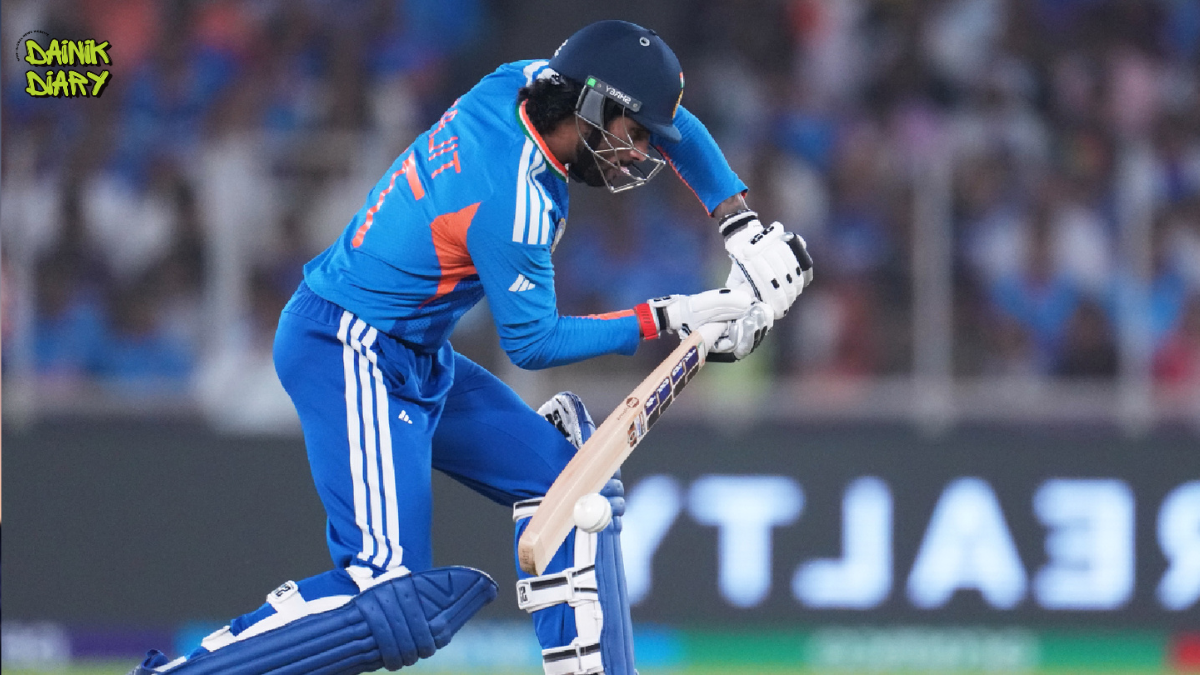
What could have been just another close defeat for India A quickly spiraled into controversy, with captain Tilak Varma facing intense scrutiny for his on-field decisions and confrontations during the dramatic clash against Sri Lanka A.
The match, played in challenging conditions, ended in a tie before heading into a Super Over. However, the circumstances surrounding that decision—and what followed—have led many fans and experts to label Varma as the unexpected “villain” of the night.
The Super Over That Almost Didn’t Happen
One of the biggest talking points was Varma’s insistence on playing a Super Over despite deteriorating visibility. With the venue lacking proper floodlights, the match had effectively descended into near darkness.
Initially, the on-field umpires were reluctant to proceed with the Super Over due to bad light. But Varma engaged in a prolonged discussion—reportedly lasting around 10 minutes—which even led to the third umpire being called onto the field.
Eventually, officials agreed to continue, allowing the Super Over to decide the match.
While some praised Varma’s fighting spirit, others questioned the decision, especially as conditions made batting extremely difficult. In hindsight, the move backfired as India A went on to lose.
“It was a bold call—but one that didn’t go India’s way,” a cricket analyst remarked.
The 10-Run Penalty and Heated Exchanges
Adding to the chaos, India A was handed a 10-run penalty during the match—further denting their chances. The exact sequence of events involved multiple heated exchanges between players and officials, with Varma often at the center.
His animated reactions and visible frustration became a recurring theme throughout the match, drawing mixed reactions from viewers.
Controversy Over the Final Ball of Regular Play
The drama didn’t begin in the Super Over—it started earlier.
On the final ball of Sri Lanka A’s innings, they needed just one run to win. The delivery struck batter Chamika Gunasekara on the pad, allowing a leg-bye that helped tie the match.
Varma strongly objected, arguing that the batter had not attempted a shot, which—according to cricket rules—should have nullified the leg-bye.
ALSO READ : India’s New Tennis Wonder? 13-Year-Old Srishti Kiran Becomes World No. 1 And Her Journey Is Just Beginning
Had the appeal been upheld, India A would have secured a one-run victory instead of heading into a tie.
No-Ball Controversy in the Super Over
The tension escalated further during Sri Lanka A’s Super Over.
Bowling the final delivery, Arshad Khan dismissed Avishka Fernando with what appeared to be a waist-high full toss. The on-field umpires initially signaled it as a wicket.
However, after a third-umpire review, the decision was overturned and declared a No-Ball.
This forced India A back onto the field to re-bowl the delivery—triggering another intense reaction from Varma, who was seen pointing fingers and arguing with officials.
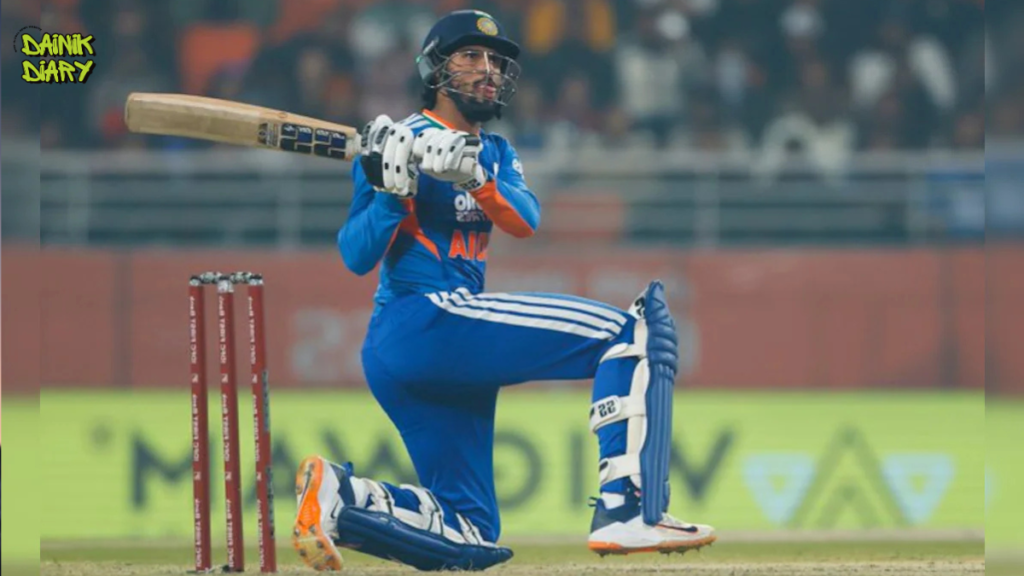
Sri Lanka A capitalized on the extra delivery, adding crucial runs that ultimately proved decisive.
From Leader to Lightning Rod
By the end of the match, Tilak Varma had gone from captain to the focal point of controversy.
While his intent to push for a result and stand up for his team is undeniable, critics argue that his aggressive approach may have crossed the line of acceptable conduct.
At the same time, supporters believe the young captain was simply showing passion under pressure in a high-stakes game.
“Cricket is not just about skill—it’s about temperament,” and this match served as a harsh reminder of that truth.


Pingback: He Forgot Kohli’s Words, Vaibhav Sooryavanshi’s Heated Moment In Dambulla Raises Big Questions - Dainik Diary - Authentic Hindi News