Uncategorized
R Ashwin Backs ICC’s New World Cup Formats—but Says ‘Emerging Teams Need More Than Just Qualifiers…’
The former India spinner has welcomed the revised formats for the 2027 ODI World Cup and 2028 T20 World Cup while urging the ICC to provide stronger opportunities for associate nations through regular international cricket.

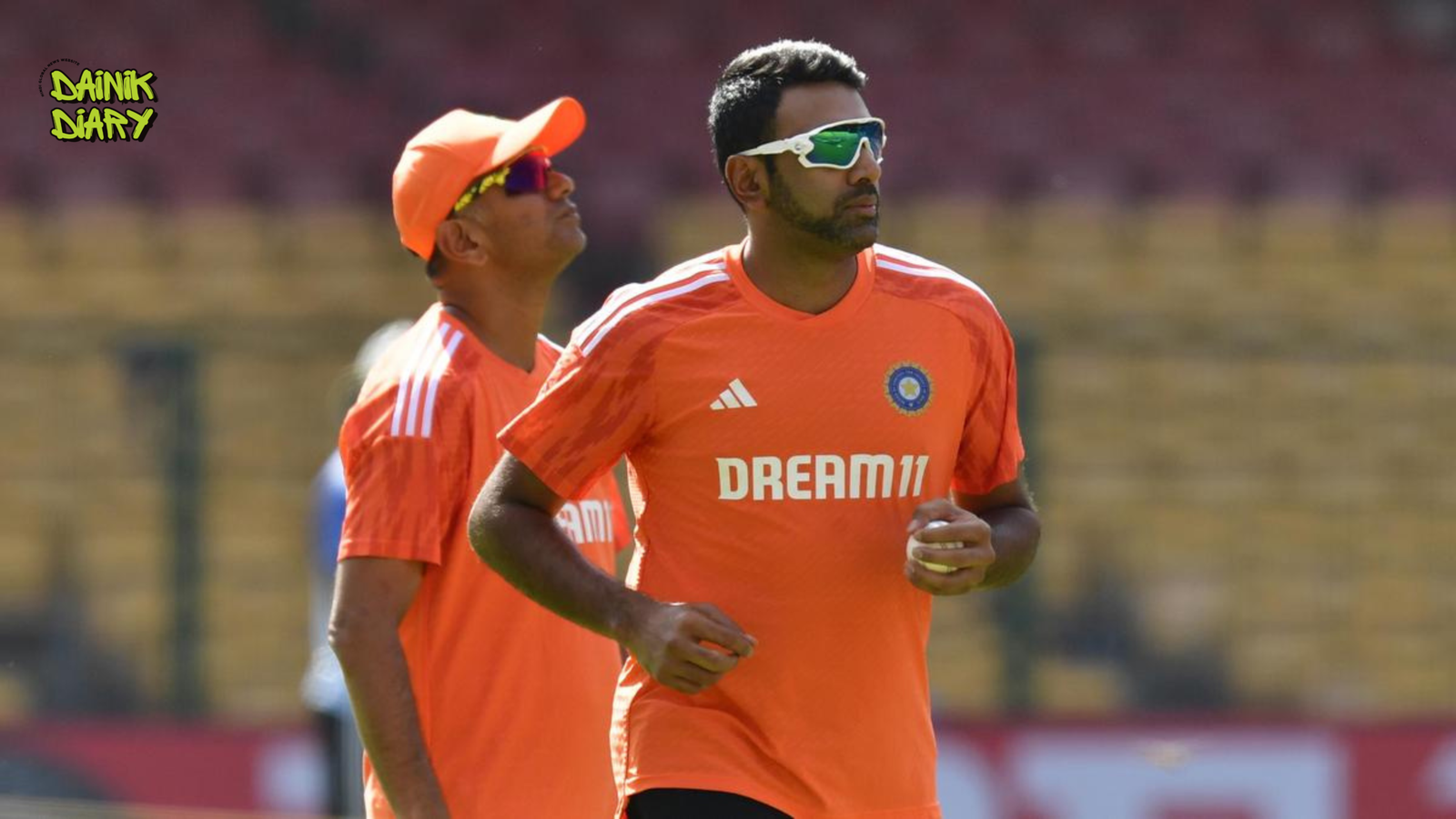
Former India all-rounder Ravichandran Ashwin has thrown his support behind the International Cricket Council (ICC)‘s revamped formats for the 2027 ODI World Cup and 2028 T20 World Cup, saying the changes make sense from a competitive perspective. However, the veteran spinner believes the global governing body must do more to help associate nations become genuine contenders on the world stage.
Sharing his thoughts on X (formerly Twitter), Ashwin argued that while the revised tournament structures are designed to increase competitiveness, meaningful exposure for emerging teams should remain a top priority.
Ashwin Calls for a ‘Stronger Pathway’
Ashwin stressed that associate nations need regular opportunities to compete against established cricketing powers rather than being limited to qualification tournaments.
He suggested that teams such as the Netherlands, Scotland, Nepal, United States, and Ireland should be included more frequently in bilateral series as a third participating nation.
Read More- ‘England Let the Bully Bully Them’: Kevin Pietersen’s Brutal Verdict After Argentina’s Dramatic World Cup Comeback
According to Ashwin, such an approach would provide these teams with high-quality international experience that qualification tournaments alone cannot offer.
His proposal comes amid growing discussions about expanding cricket’s global footprint and making the sport more competitive beyond its traditional powerhouses.
What’s Changing in the 2027 ODI World Cup?
The 2027 ICC Cricket World Cup, which will be jointly hosted by South Africa, Namibia, and Zimbabwe, will continue to feature 14 participating teams, but with a revised competition format.
The tournament will begin with a Super Series, where three teams compete for a single place in the main group stage. Only the top-performing side from this round will qualify, while the remaining two teams will be eliminated.
The group stage will then see teams competing in a single round-robin format. The top three teams from each group, along with the next best-performing side across both groups, will advance to the newly introduced Super 7 stage.
From there, the top four teams will qualify for the semi-finals before the winners battle for the World Cup title.
2028 T20 World Cup Gets a New Twist
The 2028 ICC Men’s T20 World Cup will also feature a significant structural overhaul.
Instead of the previous Super 8 stage, the ICC will introduce a Super 10 phase.
The tournament structure includes:
- Five groups of four teams in the opening stage.
- The top two teams from each group progressing to the Super 10.
- Only the group winners directly qualifying for the semi-finals.
- Second-placed teams competing in Eliminator matches against third-placed teams from opposite groups.
- Eliminator winners advancing to face group winners in the semi-finals.
The revised format is expected to increase competition by making every group-stage match more significant and reducing the margin for error.
Growing Cricket Beyond Traditional Powers
Ashwin’s comments highlight a broader challenge facing international cricket.
While changes to tournament formats may improve competitiveness among leading nations, expanding the sport globally requires more consistent opportunities for emerging teams to face elite opposition.
Regular participation in bilateral series, rather than isolated qualification events, could accelerate the development of associate nations and help create a more balanced international cricket landscape.
As the ICC prepares for two major World Cups under their new formats, discussions around inclusivity and competitive growth are likely to remain central to the future of the sport.