Sports
ICC’s 2027 ODI World Cup Format Sparks Fresh Debate as Netherlands Star Max O’Dowd Asks, ‘So You’re Telling Me…?’
The ICC has unveiled a revamped format for the 2027 ODI World Cup, but Netherlands batter Max O’Dowd believes the new qualification pathway places an unfair burden on Associate nations, reigniting the debate over cricket’s global inclusivity.

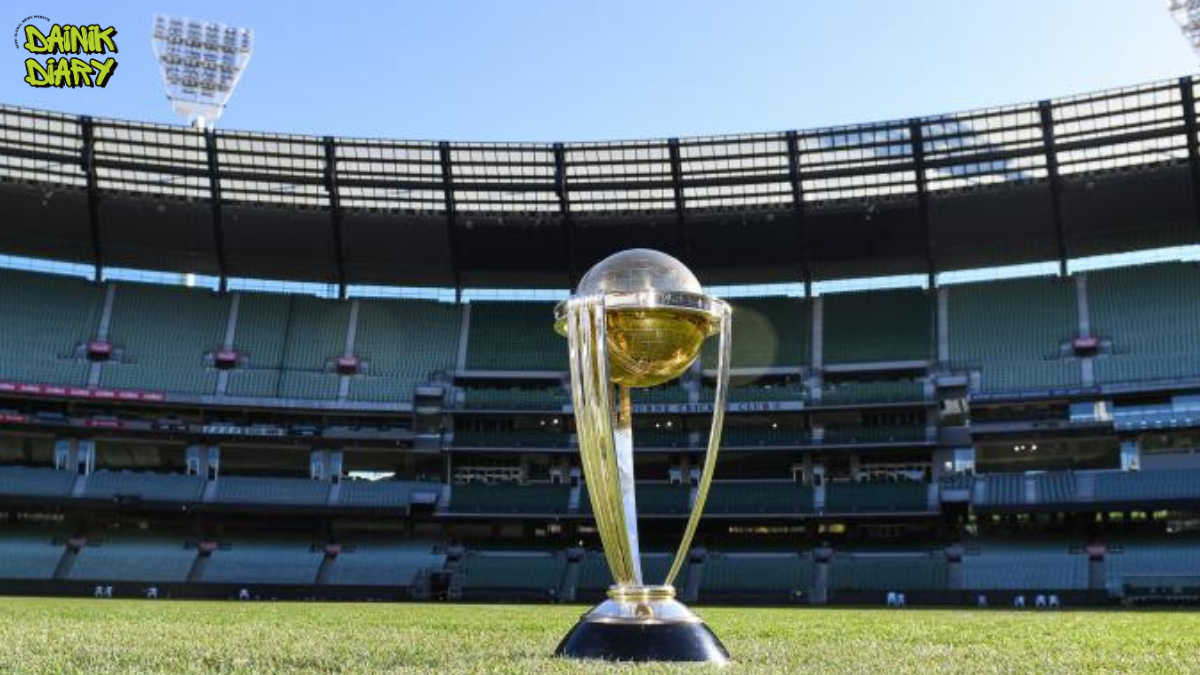
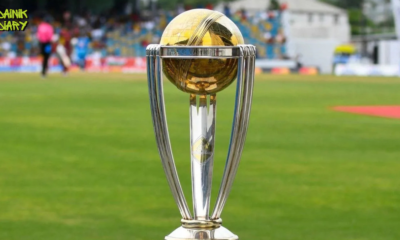
The International Cricket Council (ICC) has officially announced a revamped competition structure for the 2027 ICC Men’s ODI World Cup, scheduled to be hosted jointly by South Africa, Namibia, and Zimbabwe. While the governing body says the revised format is aimed at making every match more competitive and meaningful, the announcement has already drawn criticism from members of the cricketing community.
Among the first to question the changes was Netherlands opener Max O’Dowd, who expressed frustration over what he believes is an increasingly difficult qualification process for Associate nations.
How the New Tournament Will Work
The 2027 ODI World Cup will continue as a 14-team tournament, but with a completely redesigned three-stage structure.
In the opening phase, the teams ranked 12th, 13th, and 14th will compete in a round-robin Super Series, with only the table-topper advancing to the next stage.
ALSO READ : ‘I’m Going to Play Against Messi… I Can Retire’: Switzerland Star’s Viral Remark Adds Extra Buzz to Argentina World Cup Clash
The second phase will feature two groups of six teams. The top three teams from each group, along with the best fourth-placed side, will progress to the Super 7 stage.
From there, the top four teams will qualify for the semi-finals, followed by the tournament final.
According to the ICC, the revised format has been designed to ensure that every match carries greater significance and delivers a more engaging experience for players, broadcasters, and cricket fans around the world.
Max O’Dowd Questions the Qualification System
Despite the ICC’s intentions, Max O’Dowd believes the revised pathway creates unnecessary hurdles for emerging cricket nations.
Reacting to the announcement on X (formerly Twitter), the Netherlands batter criticised the qualification structure, suggesting that Associate teams are being forced through multiple layers of competition before earning a place at the World Cup.

In a strongly-worded post, O’Dowd remarked:
“So you’re telling me, associate sides have to play in a 3-year 50-over tournament, to qualify for a qualifier to qualify for another tri-series qualifier to then qualify for a World Cup.”
His comments quickly gained attention among cricket followers, many of whom echoed concerns about the challenges faced by smaller cricketing nations.
Growing Debate Over Opportunities for Associate Nations
The latest criticism once again highlights the long-standing discussion surrounding opportunities for Associate Member countries in international cricket.
Over the past decade, teams such as the Netherlands, Scotland, Nepal, Oman, and the USA have made significant progress on the global stage. However, qualification routes for major ICC tournaments have often been criticised for being lengthy and demanding compared to those for Full Member nations.
Supporters of Associate cricket argue that a more straightforward qualification process would help expand the global reach of the sport and encourage greater competitiveness at future World Cups.
ICC Yet to Respond to Criticism
The ICC has maintained that the revised tournament structure is intended to improve the overall quality of the competition while ensuring every fixture has greater competitive value.
However, O’Dowd’s remarks have reignited the debate over whether the new system truly promotes global cricket or makes it even harder for emerging teams to compete on the biggest stage.
As preparations for the 2027 ODI World Cup gather pace, discussions around fairness, qualification pathways, and opportunities for Associate nations are likely to remain a major talking point in international cricket.