Business
India Cracks Down on ‘Energy Drinks’: Pepsi, Red Bull, Monster and Others Told to Drop the Label Within 90 Days
FSSAI’s move targets high-caffeine beverages marketed as energy drinks, putting major brands and a booming ₹13,000-crore-plus market under fresh regulatory pressure.


India’s fast-growing energy beverage market has hit a regulatory roadblock, with the country’s food safety authority reportedly directing major companies to stop using the term “energy drink” and similar descriptions on certain high-caffeine beverages.
The move could affect some of the world’s biggest beverage names, including PepsiCo, Red Bull and Monster Beverage, along with other players operating in India’s rapidly expanding market.
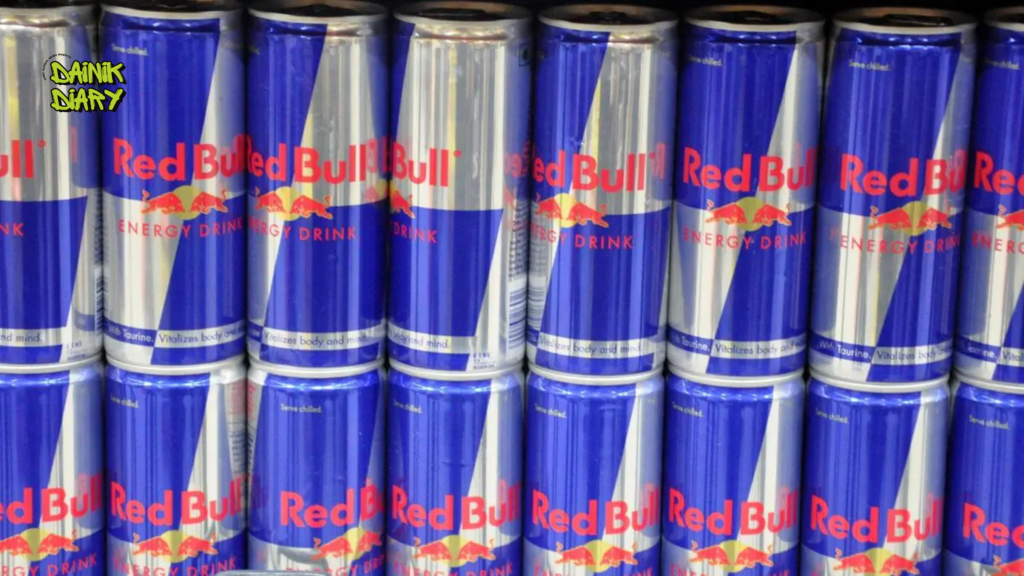
The Food Safety and Standards Authority of India (FSSAI) has reportedly told companies that there are no specific Indian standards for products being marketed under the “energy drink” category. Regulators have also raised concerns over promotional claims suggesting that such beverages can “vitalize body and mind” or help with general weakness.
The companies have reportedly been given 90 days to comply with the labelling directive.
Why is India changing the rules?
The regulatory action appears to centre on how high-caffeine beverages are marketed to consumers.
According to the information available, FSSAI has taken issue with descriptions and advertising claims that could give consumers the impression that these drinks provide broad health or energy benefits. The regulator’s position is that such claims could be misleading when there is no recognised Indian food standard specifically defining an “energy drink” category.
For brands that have spent years building their identity around the promise of instant energy, the change could have significant commercial implications.
At a recent closed-door meeting with senior industry representatives, FSSAI Chief Executive Rajit Punhani reportedly rejected arguments about the possible impact on businesses and indicated that companies could challenge the decision legally if they disagreed with it.
Read More- From ₹5,000 to a ₹50 Crore Brand: How Parul Gulati Turned Nish Hair Into One of India’s Biggest Founder-Led Success Stories
The industry, however, is understood to have agreed to comply with the labelling change following the meeting.
Pepsi, Red Bull and Monster among brands affected
The reported directive could have consequences for several major companies and beverage brands operating in India.
PepsiCo’s Sting, Red Bull, Monster and Reliance’s Campa Energy are among the products that have benefited from the growing demand for beverages positioned as quick sources of energy.
The market has expanded rapidly in recent years, particularly among younger consumers and in smaller cities and rural markets. Low-priced products have played a major role in making these beverages accessible to a much wider audience.
PepsiCo’s Sting, for example, gained considerable popularity in India after its launch, with its relatively affordable pricing helping it reach consumers beyond the traditional urban market.
A booming market faces a new challenge
India’s energy beverage market is expected to continue growing strongly in the coming years. Industry estimates cited in the report suggest that retail sales could reach around $1.6 billion by 2028, with annual growth outpacing major markets such as the United States and China.
That rapid expansion has also attracted greater regulatory attention.
High-caffeine beverages have faced scrutiny in different parts of the world because of concerns surrounding caffeine consumption, sugar levels and other ingredients such as taurine. Some governments have moved to restrict the sale or marketing of such products to younger consumers.
India’s latest move, however, is focused on the way these beverages are categorised and marketed rather than an outright ban on their sale.
Industry pushes back against regulatory move
The Indian Beverage Association, which represents major beverage companies, has reportedly urged regulators to take a more consultative approach.
In a letter to FSSAI, the association warned that sudden changes in interpretation and enforcement could create confusion among consumers, disrupt business operations and potentially affect brand reputations.
The industry body called for a predictable and transparent regulatory framework, arguing that discussions with stakeholders before major changes could make compliance smoother and reduce the possibility of legal disputes.
The companies now face the challenge of adjusting their packaging, marketing and product descriptions while maintaining consumer recognition in a highly competitive market.
What does this mean for consumers?
For consumers, the immediate impact may be more visible on supermarket shelves, advertisements and online shopping platforms rather than in the availability of the beverages themselves.
The reported order does not mean that popular high-caffeine drinks are being banned. Instead, companies may have to stop describing them as “energy drinks” or using similar terminology that regulators believe could be misleading.
The development also highlights a larger debate around how these beverages are marketed, particularly to younger consumers.
With the Indian market growing rapidly and brands competing aggressively for attention, the latest FSSAI action could mark the beginning of a broader conversation about caffeine, advertising claims and responsible marketing.
For now, the clock is ticking for beverage companies. With a reported 90-day compliance window, India’s energy drink industry has been given a clear deadline to rethink how some of its most popular products are presented to consumers.


Pingback: India's Airport Revolution Begins: Government Plans 44 Hubs And Spokes To Connect Smaller Cities To The World… - Dainik Diary - Authentic News
Pingback: Coca-Cola Loses Market Share In India As Aluminium Costs Soar: Diet Coke Demand Surges 10x… But There’s A Catch - Dainik Diary - Authentic News