India News
“Reopen Supreme Court Metro by Afternoon or We Will Step In…”: CJI Issues Strong Warning Amid Delhi Station Shutdown
Chief Justice of India raises concerns over disruption caused by the closure of the Supreme Court Metro station as lawyers, court staff, and litigants struggle to reach the country’s highest court during the NEET protest in Delhi.

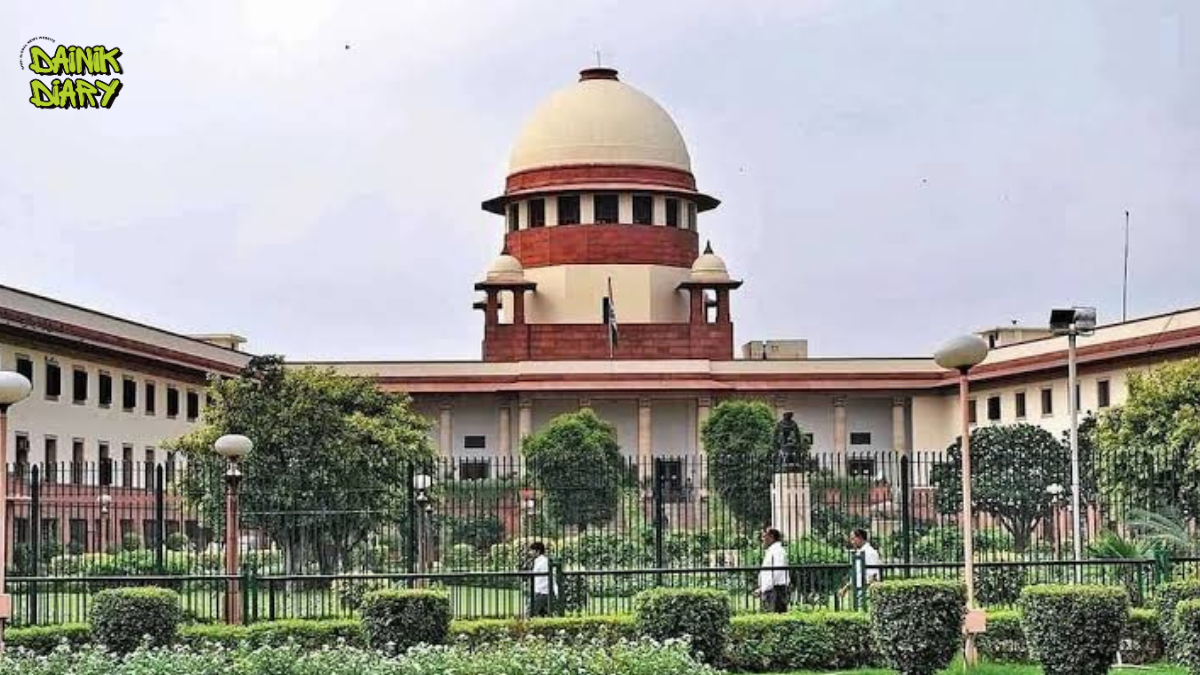
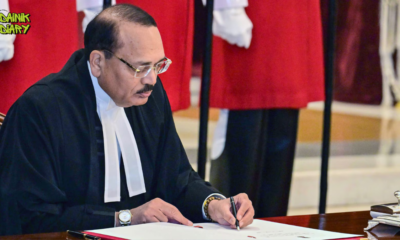
New Delhi: The Chief Justice of India (CJI) on Thursday issued a firm warning over the continued closure of the Supreme Court Metro Station, making it clear that the Supreme Court would not hesitate to intervene if the station was not reopened by the afternoon.
The issue was raised during court proceedings after Supreme Court Bar Association (SCBA) President and senior advocate Vikas Singh highlighted the severe inconvenience being faced by lawyers, litigants, and court employees due to the metro station’s closure.
According to Singh, the shutdown has significantly affected the daily functioning of the country’s highest judicial institution. Hundreds of advocates, legal staff, and visitors who rely on the Delhi Metro to reach the Supreme Court have been forced to seek alternative routes, leading to delays and logistical challenges.
Responding to the concerns, the Chief Justice of India remarked that if the station remained closed beyond the afternoon, the court itself would be compelled to take up the matter. The observation reflected the judiciary’s concern over ensuring uninterrupted access to justice and the smooth functioning of the court.
The closure comes as Delhi Police tightened security across the national capital in view of an intensified protest at Jantar Mantar over the alleged NEET paper leak controversy. To manage law and order, authorities temporarily shut down 16 Delhi Metro stations, including several of the city’s busiest transit points.
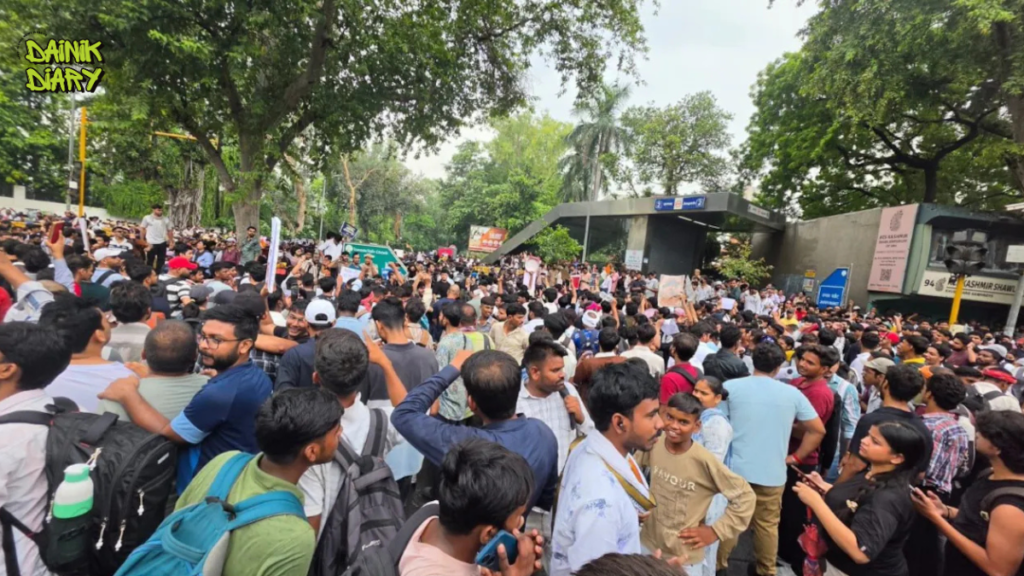
Among the affected stations are Supreme Court, Rajiv Chowk, Mandi House, Central Secretariat, and other strategically important metro stops. While officials described the move as a precautionary security measure, the decision has disrupted the daily commute of thousands of passengers.
For members of the legal fraternity, however, the closure of the Supreme Court Metro Station has emerged as a particularly serious issue. The station serves as the nearest metro access point for advocates, litigants, court staff, and visitors attending hearings at the apex court.
ALSO READ : DMK Knocks on Supreme Court’s Door Over Vijay’s Karur Visit, Seeks Gag Order on Ministers in Stampede Probe
The NEET paper leak protests have witnessed increasing participation from students, activists, and political groups demanding accountability and transparency in the examination process. As demonstrations intensified near Jantar Mantar, security agencies opted to restrict access to nearby public transport hubs to prevent overcrowding and maintain public safety.
Despite acknowledging the need for security arrangements, members of the legal community argued that access to constitutional institutions like the Supreme Court should not be disproportionately affected. They urged authorities to strike a balance between maintaining law and order and ensuring uninterrupted judicial functioning.
The CJI’s remarks underline the importance of safeguarding access to the country’s highest court. Legal experts believe the judiciary’s intervention, if required, could prompt authorities to reconsider the prolonged closure of critical transport infrastructure serving constitutional institutions.
As the situation develops, all eyes remain on whether the Delhi Metro Rail Corporation (DMRC) and local authorities will reopen the Supreme Court Metro Station before the deadline indicated by the Chief Justice. The decision is expected to have a direct impact on court operations and thousands of daily commuters navigating the capital amid heightened security.