Politics
‘You Will Not Escape’: Rahul Gandhi Warns Election Commission as SIR Report Sparks Fresh Political Storm
The Congress leader accused the poll panel of acting against the Constitution after a report claimed that two Election Commissioners repeatedly objected to key decisions. The Election Commission, however, maintains that all SIR-related decisions were unanimous.

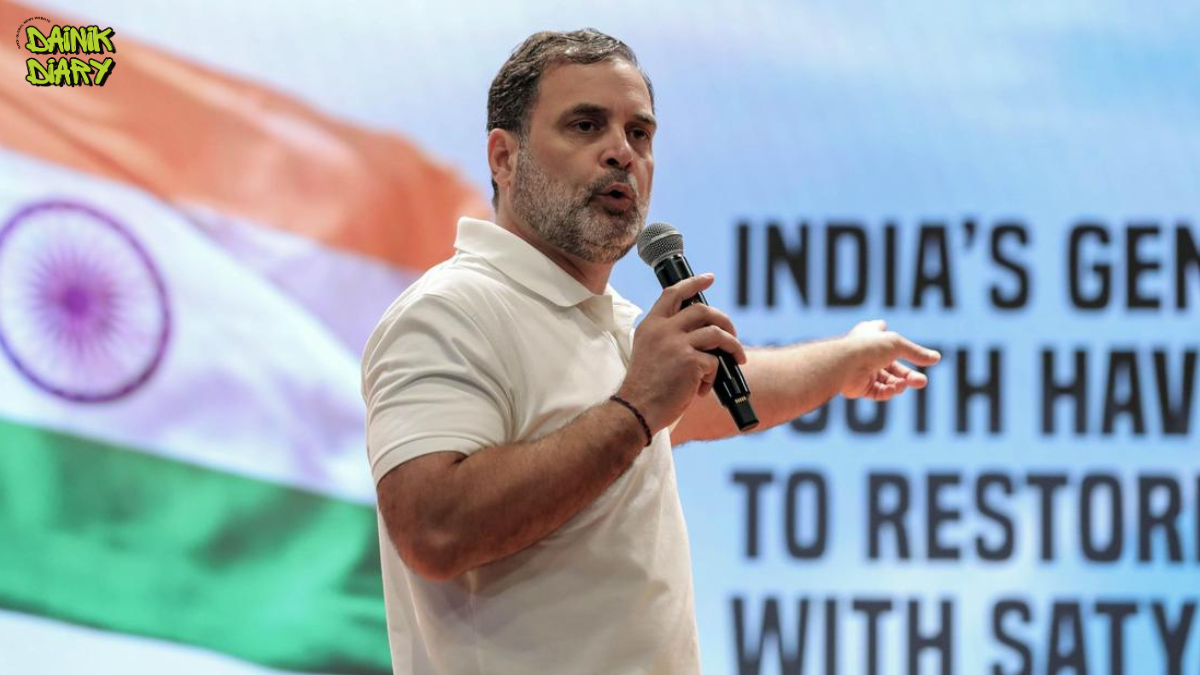
Rahul Gandhi has intensified his attack on the Election Commission of India, issuing a sharply worded warning amid a growing controversy over the Special Intensive Revision (SIR) of electoral rolls.
In a video shared on social media, the Leader of the Opposition in the Lok Sabha accused election authorities of wrongdoing and warned that those responsible would eventually be held accountable.
“The time will come. We will catch you. You will not escape,” Gandhi said in the video, after alleging that the actions under scrutiny amounted to an offence against the country.
In his accompanying post, Gandhi claimed that “vote theft is a crime against the people of India” and accused the BJP, RSS and the poll panel of attacking the Constitution. These remain political allegations, and no court has established that electoral fraud occurred as claimed.
What Triggered Rahul Gandhi’s Warning?
The fresh confrontation followed an investigation by The Indian Express, which reported that Election Commissioners Sukhbir Singh Sandhu and Vivek Joshi had formally raised objections on at least 14 occasions over a period of 10 months.
According to the report, the two commissioners questioned certain decisions and instructions allegedly issued without being properly placed before the full three-member Commission.
Their reported concerns covered matters such as changes to voter-registration procedures, the addition and deletion of names from electoral rolls and access to ERONet, the digital system used for managing voter records.
The revelations have prompted several Opposition parties to demand the removal of Chief Election Commissioner Gyanesh Kumar and seek an independent investigation into the functioning of the poll body.
ALSO READ : PM Modi Birthday: From Gujarat CM to Prime Minister, How Much Has His Salary Increased? The Number May Surprise You…
Election Commission Rejects Claims of Internal Split
The Election Commission has pushed back against suggestions that major decisions were taken without agreement among its members.
Sources cited in media reports said that all final decisions of the Commission—including those concerning the SIR exercise—were unanimous and carried the approval of the Chief Election Commissioner as well as the two Election Commissioners.
The Commission’s position is that differing observations may arise during internal discussions, but these should not be interpreted as final dissent against decisions ultimately approved by all three members.
SIR Row Turns Into a Larger Institutional Battle
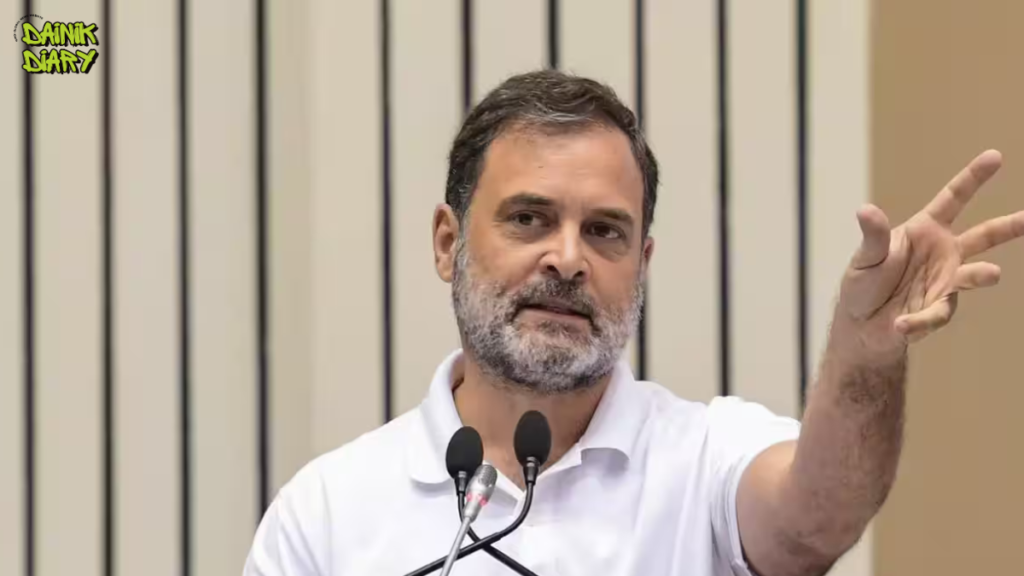
The dispute has now moved beyond the technical process of revising electoral rolls. It has become a wider political argument over transparency, collective decision-making and public confidence in India’s election machinery.
The Indian National Congress and other Opposition parties argue that the reported objections raise serious questions about whether the Commission’s constitutional structure was respected.
The Election Commission, on the other hand, maintains that its formal decisions were collectively approved and rejects the suggestion that the SIR process was controlled by one individual.
As the political temperature rises, Rahul Gandhi’s “you will not escape” remark is likely to deepen the confrontation between the Opposition and the constitutional body. However, the competing claims surrounding the reported objections will require documentary scrutiny and, potentially, judicial examination before firm conclusions can be reached.