Technology
Apple Moves iPhone X to Obsolete List: Your Phone Won’t Stop Working, But This Could Change Everything
The iconic 2017 iPhone X has reached a major milestone in Apple’s product lifecycle. Here’s what its “obsolete” status means for repairs, replacement parts, software support and existing users.

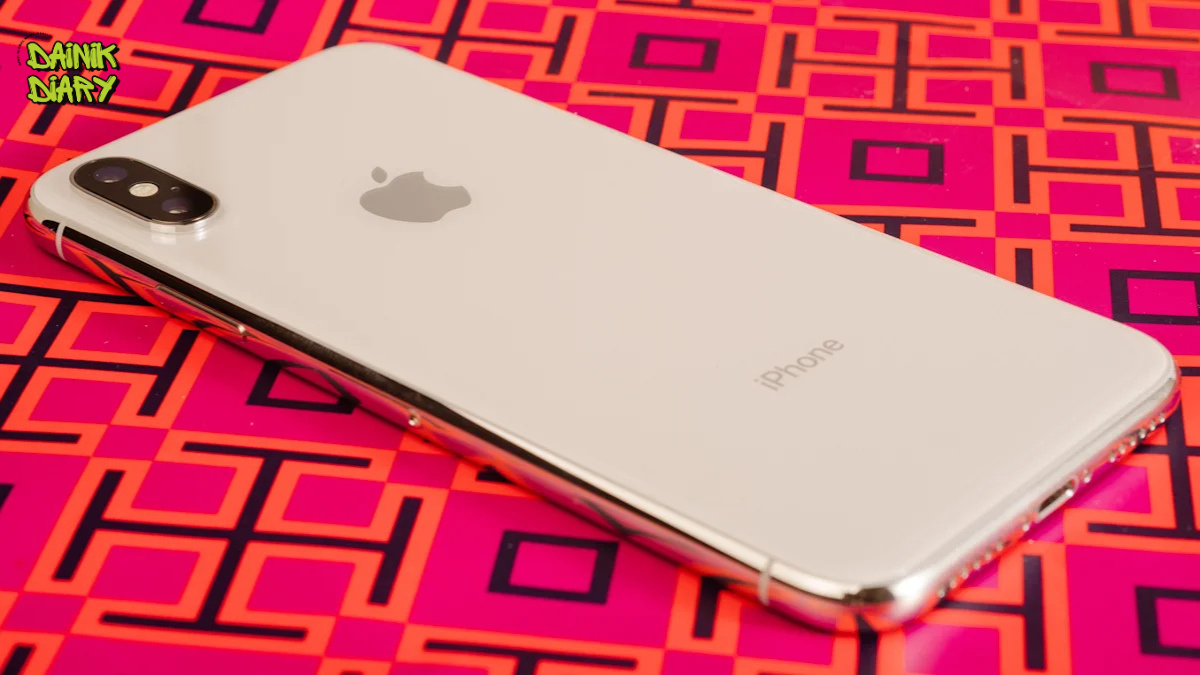
If you are still using an iPhone X, there is no reason to panic your phone is not suddenly going to stop working.
But Apple has reportedly moved the iconic smartphone to its obsolete products list, marking an important new stage in the nearly nine-year-old device’s lifecycle.
The change is significant primarily because of what it means for hardware repairs.
An iPhone X that is working normally can continue to be used. However, obtaining official repairs or replacement components through Apple’s authorised service network could become increasingly difficult now that the device has entered the obsolete category.
For owners who have kept their iPhone X running for years, the question is therefore no longer simply whether the phone still works.
It is whether it makes financial and practical sense to keep repairing it.
What Does “Obsolete” Mean at Apple?
Apple uses different classifications for products as they age.
When a product is classified as obsolete, Apple generally stops providing standard hardware service and authorised service providers can no longer order parts for regular repairs.
That distinction is important.
An obsolete iPhone does not automatically become unusable.
There is no switch inside the device that will suddenly deactivate it.
If your iPhone X is working today, you can continue using it.
The problem comes when something goes wrong.
A damaged display, ageing battery, failed internal component or malfunctioning Face ID system could become significantly harder to repair through Apple’s official channels.
In such cases, owners may increasingly have to look towards independent repair providers or third-party components.
Why the iPhone X Was So Important
The iPhone X was not just another iPhone.
When Apple launched it in 2017, the device represented one of the biggest design changes in the company’s smartphone history.
The familiar physical Home button disappeared.
In its place came an almost edge-to-edge display, gesture-based navigation and Face ID.
The device also introduced the now-famous display notch, which housed Apple’s TrueDepth camera system.
At the time, the changes represented a major break from the iPhone design language that users had become accustomed to.
Today, many of those features look completely normal.
That is partly because the iPhone X established a design direction that influenced subsequent generations.
The Home Button Was Gone — And So Was the Old iPhone
For years, the physical Home button had been one of the defining characteristics of the iPhone.
The iPhone X changed that.
Users had to learn a new system of swipes and gestures to return to the Home screen, switch between apps and access other functions.
Face ID also replaced Touch ID on the flagship model, allowing users to unlock the phone and authenticate certain actions using facial recognition.
The changes initially required some adjustment, but they eventually became standard elements of Apple’s flagship iPhone experience.
That makes the iPhone X an important piece of Apple’s smartphone history, even as its official support lifecycle comes to an end.
Apple Stopped Selling It in 2018
The iPhone X had a relatively short run as Apple’s current-generation flagship.
Apple discontinued the model in September 2018, following the launch of newer iPhone models.
That distinction is worth understanding.
A phone being discontinued does not necessarily mean Apple immediately stops supporting it.
Older devices can continue receiving hardware service and, where applicable, software and security updates for years.
The obsolete classification comes later and generally represents the end of Apple’s standard hardware servicing.
For iPhone X owners, that is the important change happening now.
Your iPhone X Will Still Work
This is probably the biggest point existing owners need to understand.
Obsolete does not mean dead.
If your iPhone X is functioning properly, you can continue using it.
Your photos, contacts, apps and other data will not suddenly disappear because Apple has changed its service classification.
The concern is what happens the next time the phone needs major hardware work.
For example, if the battery reaches the end of its useful life or the display suffers serious damage, getting the repair completed through Apple’s authorised network may no longer be an option.
And that could make the decision to upgrade considerably easier.
Genuine Replacement Parts Could Become Harder to Find
Independent repair shops may continue working on the iPhone X long after Apple stops offering official hardware service.
But there is a catch.
The availability and quality of replacement components can vary.
Batteries, displays and internal components sourced outside Apple’s authorised network may differ in quality, compatibility and longevity.
That does not mean every third-party repair is a bad idea.
It simply means owners should be more careful about where they take an ageing iPhone and what parts are installed.
Before agreeing to a repair, it is worth asking about:
- The source and quality of the replacement component
- Whether the repair comes with a warranty
- Compatibility with the iPhone X
- Whether important features such as Face ID will continue functioning
- The total repair cost compared with upgrading
Sometimes, spending money on a major repair for a nearly nine-year-old phone simply doesn’t make economic sense.
What About iOS Updates?
Hardware support is only one part of the equation.
Software support matters just as much.
The iPhone X’s final major iOS generation was iOS 16, meaning it is already excluded from newer major iOS releases.
Apple has occasionally provided security updates for older versions of its operating systems, but users should not assume that an ageing iPhone will continue receiving every future security update indefinitely.
That is particularly important if the phone is used for sensitive activities.
Banking.
Digital payments.
Work accounts.
Email.
Password management.
Two-factor authentication.
All of these increasingly depend on software that remains supported and secure.
ALSO READ : Vivo X200 Price Drops Below Rs 60,000 on Flipkart: Flagship Camera, Dimensity 9400 Power and Premium Features Make It a Must-Check Deal
An older phone that still makes calls and runs basic apps may therefore remain perfectly usable for some people, while becoming a poor long-term choice for others.
The iPhone X Is Joining an Ageing Club
The iPhone X is not the first Apple smartphone to reach this stage.
Apple’s obsolete product lists already contain numerous older iPhone generations and variants, including models from the iPhone 3G, iPhone 4, iPhone 5, iPhone 6, iPhone 8 and earlier iPhone SE families.
Exact support status can vary depending on the model, configuration and market, so owners should check Apple’s current product-support information for their specific device.
Should You Upgrade Your iPhone X Now?
Not necessarily.

If your iPhone X is working reliably, the battery remains acceptable and the apps you need continue to function, there is no technical requirement to replace it simply because Apple has classified it as obsolete.
But upgrading starts to make more sense if you are experiencing several problems at once.
A rapidly declining battery is one warning sign.
So is a damaged display.
A malfunctioning Face ID system is another.
And if important applications have started dropping support for the iOS version available on your phone, the argument for upgrading becomes stronger.
There is also the simple question of repair economics.
If fixing an ageing iPhone costs a significant percentage of what you would spend on a newer, actively supported device, putting that money into an upgrade may be the more sensible decision.
The End of an Era for Apple’s iPhone X
The iPhone X changed the way the world viewed the iPhone.
It removed the Home button, introduced Face ID, popularised the notch and established a design direction that would influence Apple’s smartphones for years.
Nearly nine years after its debut, however, the device has entered a very different chapter.
Its obsolete status does not mean existing iPhone X owners need to put their phones away.
It simply means the safety net around the device is getting smaller.
For users with a perfectly healthy iPhone X, there is no immediate emergency.
But if your phone is already showing its age, this could be the moment to start comparing the cost of another repair with the benefits of moving to a newer iPhone that still has active hardware and software support.
The iPhone X may no longer be Apple’s future.
But for a smartphone that helped define the modern iPhone, its legacy is already secure.