
Business
Coca-Cola Loses Market Share in India as Aluminium Costs Soar: Diet Coke Demand Surges 10x… But There’s a Catch
Coca-Cola is facing a new challenge in one of its most important growth markets, with rising aluminium and PET costs, packaging gaps and higher prices putting pressure on its India business.

Coca-Cola is facing an unexpected squeeze in India.
The global beverage giant has reportedly lost market share in the Indian market during the second quarter, even as the company delivered strong overall quarterly results and raised its annual outlook. Rising aluminium and PET plastic costs, along with difficulties in offering the right packaging at popular mid-tier price points, are emerging as key challenges for the company.
The comments came from Coca-Cola Chief Financial Officer John Murphy, who acknowledged that the company had lost some market share in India during the quarter.
Speaking about the Indian market, Murphy said the company still has work to do in the ₹11-to-₹40 price segment, where it does not yet have the packaging and pricing structure it needs to compete effectively.
The challenge is particularly important in a price-sensitive market such as India, where consumers often make purchasing decisions based on small differences in pack size and price.
Coca-Cola Struggles With India’s Mid-Tier Price Segment
India remains a major growth opportunity for Coca-Cola, but the company is facing increasing pressure in the country’s competitive soft-drinks market.
According to Murphy, the company needs to improve its “pack price architecture” in the mid-tier segment. This essentially means offering the right combination of product size and price to attract consumers who may be unwilling to pay premium prices but still want branded beverages.
The company reportedly expects to recover some of the market share it has lost once its product and pricing strategy in this segment improves.
Read More- India Cracks Down on ‘Energy Drinks’: Pepsi, Red Bull, Monster and Others Told to Drop the Label Within 90 Days
The challenge comes at a time when input costs are also rising.
Murphy said aluminium and PET plastic prices have increased more than Coca-Cola had anticipated this year. The company is now working on ways to offset these higher costs while continuing to compete in a highly price-sensitive market.
Aluminium Shortage Creates Fresh Headache
The pressure on aluminium supplies has also affected the availability of canned beverages in India.
According to reports, the conflict involving Iran and Israel contributed to disruptions in aluminium can supplies, creating additional difficulties for beverage companies.
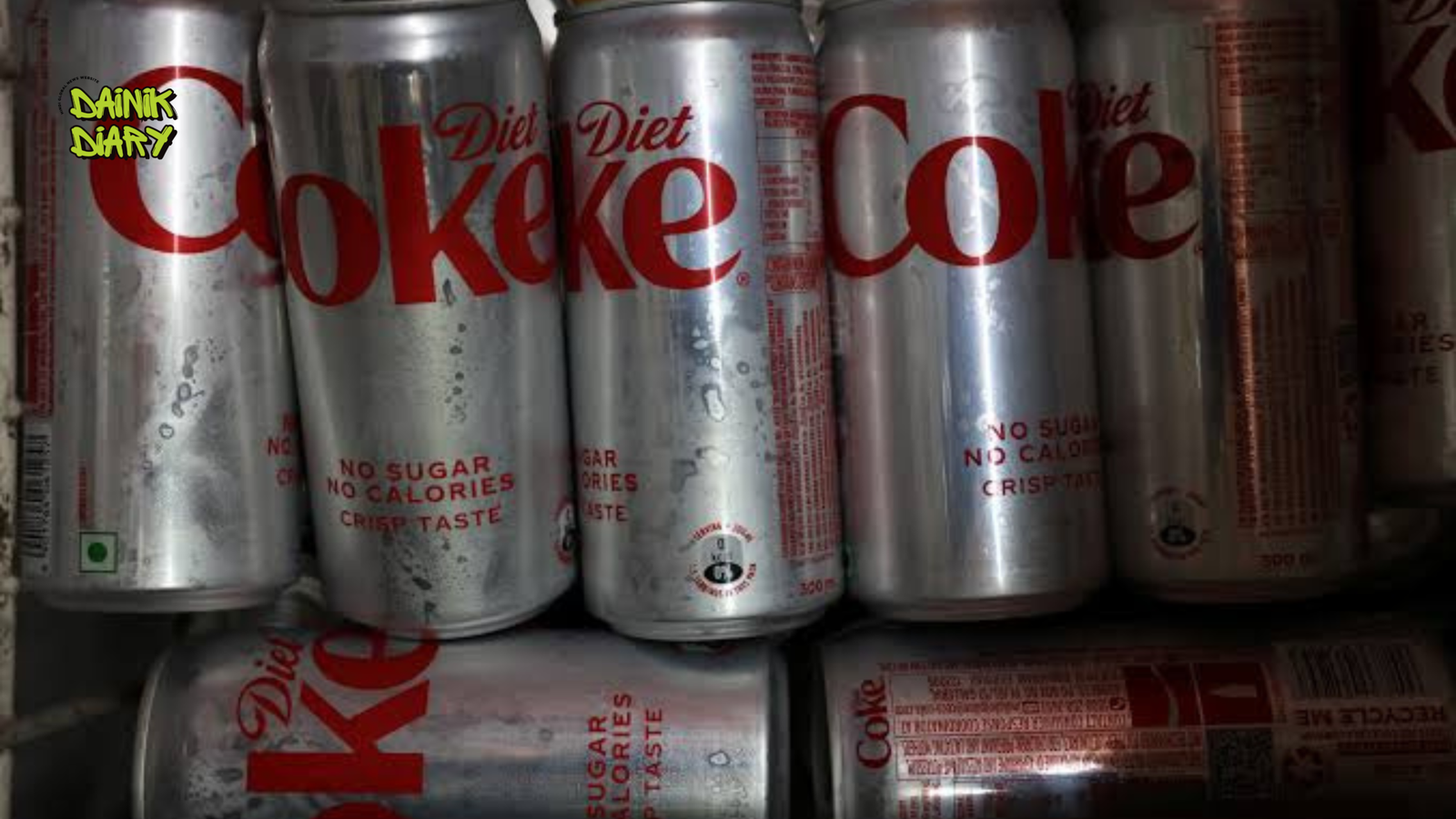
The situation reportedly affected the availability of Diet Coke, even as consumer interest in the brand increased.
The shortage came at an unusual time for Diet Coke in India. A wave of social-media-driven “Diet Coke parties” reportedly helped generate additional attention and demand for the beverage.
Coca-Cola responded by increasing prices in parts of India and looking for alternative sources of supply, including larger-sized cans from Southeast Asia.
For a company already dealing with higher packaging costs, the situation has created a complicated balancing act: demand is rising for a product, but supplying it has become more difficult and expensive.
Diet Coke Demand Could Rise 10 Times
Despite the challenges, Murphy described the surge in Diet Coke demand as a “wonderful problem to have.”
The company reportedly expects demand for the brand in India to increase by around 10 times this year, although Murphy noted that the growth is coming from a relatively small starting base.
That could give Coca-Cola an opportunity to build a stronger position for Diet Coke in India’s rapidly evolving beverage market.
The challenge, however, will be turning that sudden burst of consumer interest into sustainable long-term growth.
If Coca-Cola can maintain supply, manage packaging costs and establish attractive price points, Diet Coke could become a more significant part of the company’s Indian portfolio.
Strong Global Results, But India Remains a Weak Spot
Coca-Cola’s India troubles came despite a strong overall quarter for the company.
The beverage giant reported better-than-expected quarterly performance and raised its annual forecasts, helped in part by successful marketing campaigns connected to its World Cup sponsorship.
However, India emerged as a weaker area within the company’s Asia Pacific business, with the loss of market share weighing on regional performance.
The contrast highlights the importance of the Indian market to Coca-Cola’s global growth strategy.
India has a massive consumer base, a growing middle class and increasing demand for packaged beverages. But the market is also highly competitive, with companies constantly adjusting prices, pack sizes and distribution strategies to win over consumers.
Can Coca-Cola Win Back Lost Ground?
For Coca-Cola, the immediate priority appears to be fixing the gaps in its mid-tier product lineup while managing higher packaging costs.
The company remains optimistic about India’s long-term potential, and Murphy indicated that he remains bullish on the market despite the recent setback.
The next phase could therefore be about getting the basics right: ensuring product availability, creating affordable pack sizes and responding quickly to changing consumer preferences.
The Diet Coke episode also shows how quickly consumer trends can change in India. A supply shortage, social-media buzz and unexpected demand can transform a relatively niche product into a talking point almost overnight.
For Coca-Cola, the opportunity is clear—but so is the challenge.
The company now needs to turn rising consumer interest into sustained sales while simultaneously battling higher aluminium and plastic costs and rebuilding market share in a crucial price segment.
In India’s fiercely competitive beverage market, that may prove to be the real test.


