
World News
Big Relief for India and China? US Softens Russia Oil Tariff Plan From 500% to 100% Amid Global Trade Concerns
A revised bipartisan US sanctions bill gives President Donald Trump the authority to impose tariffs of up to 100%—down from the earlier proposed 500%—on major buyers of Russian energy, offering temporary relief to countries like India and China.

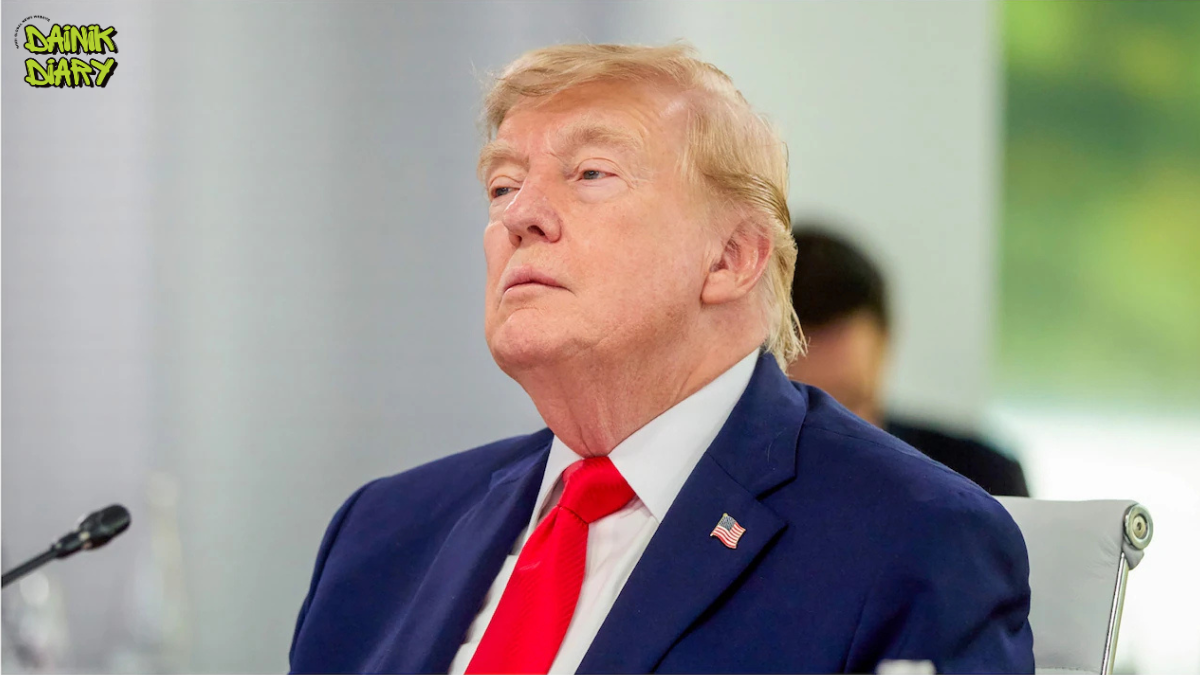
The United States has significantly revised its proposed sanctions framework targeting countries that continue purchasing Russian energy, offering a major relief to India and China. A bipartisan bill introduced in the US Congress has reduced the proposed tariff ceiling on imports from nations buying Russian oil and natural gas from 500% to a maximum of 100%, easing fears of a severe escalation in global trade tensions.
The updated legislation, backed by Republican Senator Lindsey Graham and Democratic Senator Richard Blumenthal, is designed to intensify economic pressure on Russia over its ongoing war in Ukraine. Instead of automatically imposing punitive tariffs, the revised proposal empowers US President Donald Trump to decide whether tariffs of up to 100% should be applied to countries that continue importing Russian energy.
ALSO READ : ‘Will Hit Iran Again, Only Harder’: Trump’s Stark Warning During Peace Talks… What Message Is Washington Sending?
The original proposal had alarmed several of Russia’s largest energy customers, particularly India and China, as it sought to impose a blanket 500% tariff on imports from nations purchasing Russian oil and gas. Analysts had warned that such a move could disrupt global energy markets and strain trade ties between Washington and key Asian economies.
The latest version of the bill takes a more measured approach. It introduces flexibility by allowing the US President to determine the tariff level, with a maximum cap of 100% instead of the previously proposed 500%.
The revised bill also includes an important exemption clause. Countries that import less than 15% of Russia’s natural gas exports and are actively reducing their dependence on Russian energy could avoid penalties altogether. This provision may benefit nations such as Japan, France, Hungary, and Belgium, which have been working to diversify their energy sources.
India and China remain among the world’s largest buyers of Russian crude oil, making them central to the debate surrounding the proposed sanctions. Since the beginning of the Russia-Ukraine conflict, both countries have continued purchasing discounted Russian oil to meet their growing energy demands while maintaining their own strategic and economic interests.

Supporters of the legislation argue that reducing Russia’s energy revenues remains a critical tool in increasing pressure on Moscow to end the conflict in Ukraine. They believe that tighter economic measures could further isolate Russia financially without creating unnecessary shocks in international trade.
For India, the revised proposal removes the immediate threat of an unprecedented 500% tariff while keeping the possibility of future trade measures on the table. Although the bill still allows tariffs of up to 100%, the softer approach is widely viewed as a more balanced strategy that could reduce uncertainty for global markets and preserve diplomatic engagement with key US partners.
The legislation is yet to become law, and its final implementation will depend on further approval in the US Congress as well as decisions by President Donald Trump. However, the revised proposal marks a notable shift from the earlier hardline approach and is being closely watched by governments, businesses, and global energy markets alike.