Entertainment
Rajpal Yadav Jail Sentence Explained… How a Failed Film Project Turned Into a 16-Year Legal Battle
Delhi High Court upholds the actor’s six-month sentence in a cheque bounce case linked to his 2012 film ‘Ata Pata Laapata’, bringing a decade-old financial dispute back into focus.


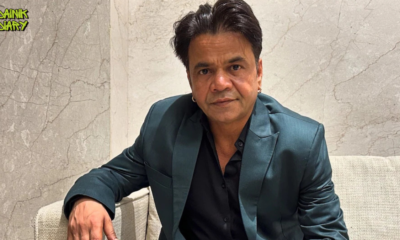
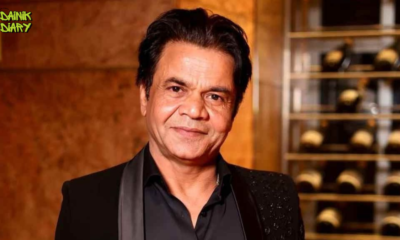
The laughter associated with Rajpal Yadav has entertained millions of Bollywood fans for years, but the actor is now facing one of the most difficult chapters of his personal and professional life.
The Delhi High Court has upheld Rajpal Yadav’s conviction and six-month jail sentence in a long-running cheque bounce case connected to a film loan dispute that began more than 15 years ago.
The court’s decision has once again brought attention to a legal battle that started with a filmmaking dream but eventually turned into a prolonged financial controversy.
How a Film Dream Became a Legal Battle
The case is linked to ‘Ata Pata Laapata’, Rajpal Yadav’s directorial debut released in 2012.
Known primarily for his comic performances, Rajpal attempted to expand his creative career by stepping behind the camera and directing a comedy film.
To finance the project, reports state that he borrowed around ₹5 crore from Delhi-based company M/s Murali Projects Pvt Ltd in 2010.
However, the film failed to achieve the expected commercial success at the box office. Like many independent and mid-budget film projects, the movie’s financial struggles created difficulties in recovering the investment.
Over time, the outstanding amount reportedly increased significantly due to interest and other charges, eventually becoming a much larger financial dispute.
Why Did the Cheque Bounce Case Begin?
To repay the borrowed amount, Rajpal Yadav reportedly issued multiple cheques.
However, some of these cheques were dishonoured when presented for payment, leading to legal action by the lender.
The complaint was filed under Section 138 of the Negotiable Instruments Act, a provision that deals with cheque dishonour cases involving legally enforceable debts.
Under Indian law, a bounced cheque is not just considered a financial failure. When legal conditions are fulfilled, it can become a criminal offence that may result in penalties, fines and imprisonment.
Read More- Dhamaal 4 Box Office Prediction: Ajay Devgn’s Comedy Comeback Eyes ₹16 Crore Opening… But Can It Beat This Franchise Record?
2018 Conviction Changed the Course of the Case
The legal proceedings continued for several years before a magisterial court convicted Rajpal Yadav and his wife in 2018.
The actor was sentenced to six months of simple imprisonment, along with financial penalties.
The conviction was later upheld by a sessions court in 2019.
Rajpal subsequently approached the Delhi High Court, requesting relief and additional time to resolve the financial dispute.
The court provided temporary relief on multiple occasions, allowing opportunities for repayment and settlement efforts.
However, repeated delays in fulfilling commitments reportedly weakened his position before the court.

Delhi High Court Sends Rajpal Yadav Back to Jail
On July 10, 2026, the Delhi High Court upheld the earlier conviction and directed that Rajpal Yadav be sent back to jail to complete his sentence.
The court reportedly criticised his conduct and observed that despite several opportunities and assurances, the repayment commitments were not fulfilled.
During the hearing, Rajpal made an emotional appeal before the court, reportedly saying:
“Sir, kya karoon? Mere paas paise nahin hain. Aur koi upaay nahin dikhta.”
Translated into English, the statement means:
“Sir, what should I do? I do not have the money. I cannot see any other way out.”
The remark highlighted the personal struggles behind a case that has remained active for years.
A Reminder of the Risks Behind Bollywood Dreams
Rajpal Yadav’s case is not about a sudden controversy but the result of a long financial chain that began with a film investment.
The timeline tells the story:
- 2010: Loan taken for film production
- 2012: ‘Ata Pata Laapata’ released
- 2018: Conviction by a lower court
- 2019: Sessions court upholds conviction
- 2026: Delhi High Court confirms sentence
The case highlights how a failed movie can create consequences beyond box-office numbers.
While major production houses can often absorb losses through multiple projects, individual filmmakers and actors may face severe personal financial pressure when a film does not recover its investment.
The Bigger Lesson for Film Industry Professionals
The entertainment industry is built on creativity, but filmmaking is also a high-risk financial business.
Actors who step into production or direction often invest personal reputation and resources into their projects. If a film fails commercially, loans, guarantees and repayment obligations can continue long after the theatrical run ends.
Rajpal Yadav’s legal battle serves as a reminder that passion projects require careful financial planning and strong risk management.
What Happens Next for Rajpal Yadav?
Following the Delhi High Court order, Rajpal Yadav is expected to serve his remaining sentence.
The actor may explore further legal options, including approaching the Supreme Court of India.
Despite the legal setback, Rajpal continues to remain a respected figure in Hindi cinema, known for his memorable performances in films such as Hungama, Bhool Bhulaiyaa and several other popular comedies.
For millions of fans, the actor’s journey remains a reminder that behind the glamour of cinema, real-life challenges can be far more complicated than what appears on screen.