World News
‘Raging, Confused, and Unraveling?’: Psychologist’s Assessment of Donald Trump’s Speech Sparks Fresh Debate
Forensic psychologist Dr. John Paul Garrison analyzed the US President’s recent televised remarks, claiming they showed signs of confusion, speech difficulties, and heightened agitation.

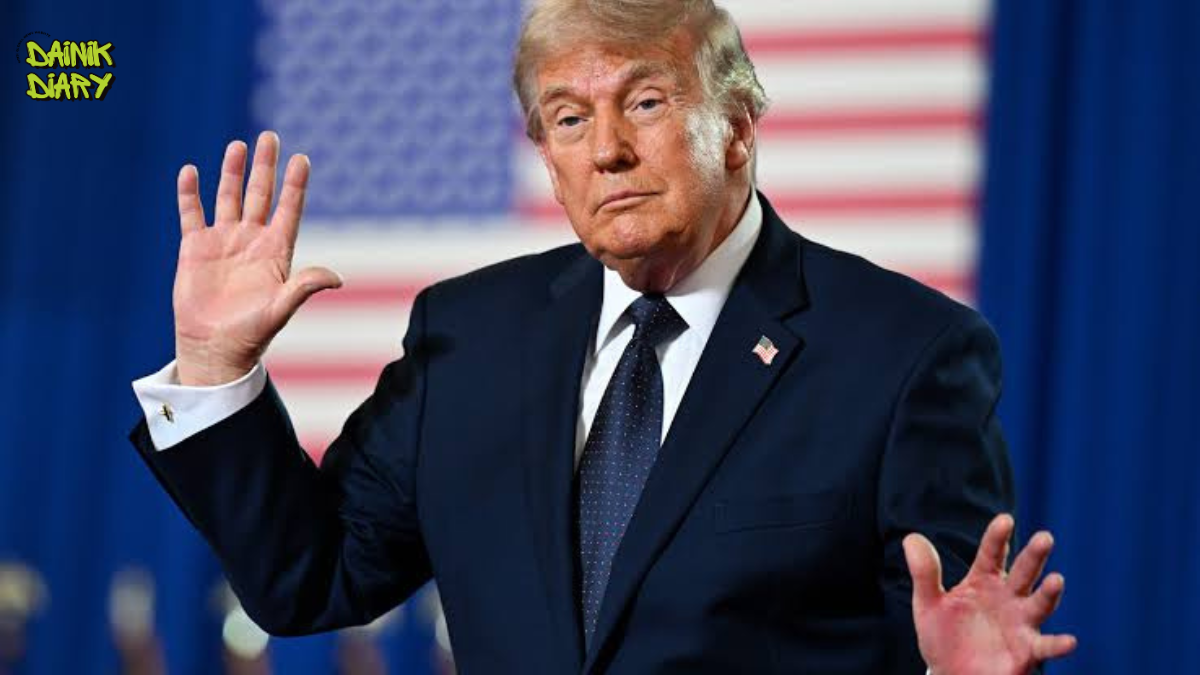
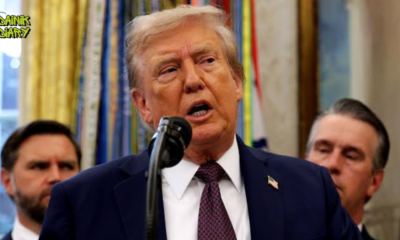
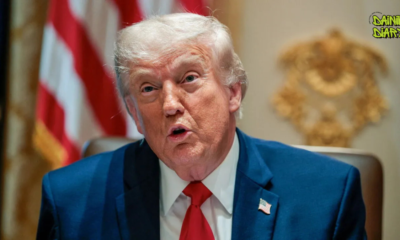
A recent public appearance by US President Donald Trump has reignited discussions about his communication style after a forensic psychologist claimed the speech revealed signs of confusion, agitation, and cognitive decline.
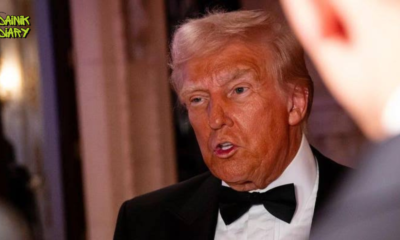
Dr. John Paul Garrison, a licensed clinical and forensic psychologist known for his analyses of public figures’ body language and communication patterns, examined Trump’s address at the White House Correspondents’ Dinner. In a video commentary, Garrison argued that the President’s delivery displayed what he described as increasingly unusual speech patterns and moments of apparent confusion.
Psychologist points to speech and body language
According to Garrison, one of the most striking moments came when Trump criticized former CNN anchor Don Lemon, calling him “the lowest IQ on television.” During the same segment, Trump remarked, “But I know what I’m saying,” a statement Garrison suggested appeared disconnected from the surrounding context.
The psychologist said the remark could indicate that Trump was expressing internal thoughts aloud and argued that it reflected moments of confusion during the speech. He also claimed Trump appeared unaware that some of his comments lacked a clear connection to what he had been discussing.
Claims of slurred speech and rambling delivery
Throughout his analysis, Garrison highlighted several instances in which Trump appeared to struggle with pronunciation and sentence structure. He claimed the President occasionally slurred words, paused unexpectedly, and lost track of his thoughts despite speaking with the assistance of a teleprompter.
According to Garrison, Trump has historically been comfortable speaking off the cuff, but he argued that the latest speech featured more rambling and incomplete sentences than in previous public appearances.
ALSO READ : BBC Faces Massive Cuts, Hundreds of Jobs at Risk as Newsroom Braces for Major Shake-Up
He also suggested that the frequency of speech stumbles appeared to increase as the address progressed, describing it as a possible sign of fatigue or difficulty maintaining focus.
‘Agitated’ during political attacks
Garrison further analyzed Trump’s remarks about Democratic Senator Adam Schiff, saying the President appeared increasingly agitated and angry during that portion of the speech.
The psychologist argued that Trump struggled to deliver a planned joke, suggesting he lost the thread of his remarks before reaching the intended punchline. According to Garrison, this reflected difficulty organizing thoughts in real time compared with Trump’s earlier speaking style.
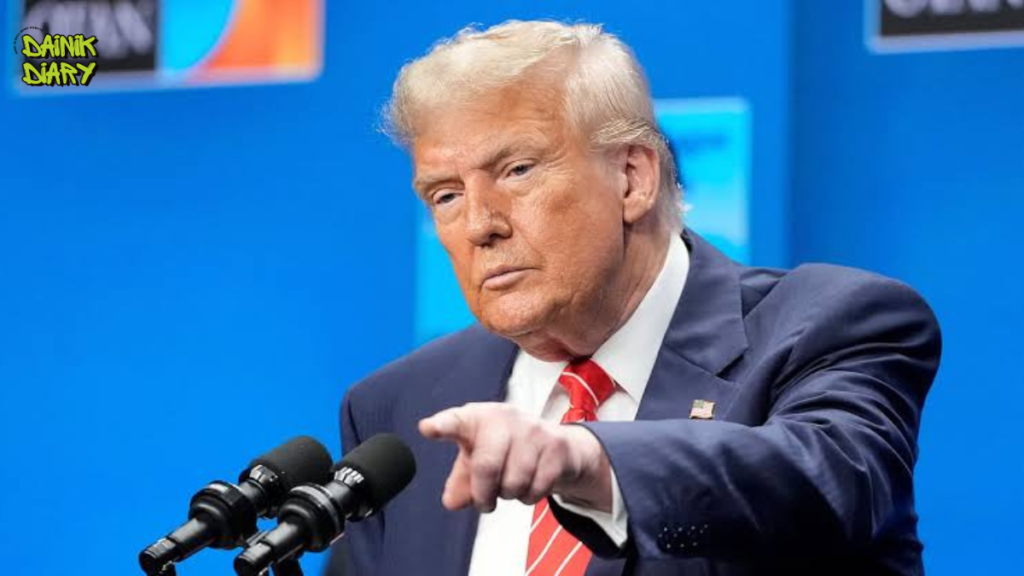
A professional opinion, not a medical diagnosis
In his concluding remarks, Garrison described Trump as appearing “raging, impulsive, confused, and struggling with judgment” during the televised address. He also predicted that, in his opinion, Trump’s public presentation could change significantly over the coming months.
However, it is important to note that Garrison’s comments represent his professional interpretation based on publicly available video footage. He did not conduct a personal clinical examination of President Donald Trump, and his observations should not be considered a formal medical diagnosis.
The White House has not publicly responded to Garrison’s analysis. Trump has frequently dismissed criticism of his health and cognitive abilities, maintaining that he remains fit to serve as President.
As discussions around the President’s public appearances continue, experts generally caution that assessing an individual’s cognitive or medical condition without a direct examination has significant limitations.