
Sports
Did Portugal’s Loyalty to Cristiano Ronaldo Cost Them the World Cup? Spain Exposed a Problem Many Ignored…
Portugal’s FIFA World Cup 2026 campaign ended in heartbreak against Spain, with questions emerging over tactics, team balance, and the continued reliance on Cristiano Ronaldo.


Portugal’s dream of winning the FIFA World Cup 2026 came to an abrupt end in the Round of 16, and the fallout from the defeat is already sparking intense debate across the football world.
A narrow loss to Spain, one of the tournament’s strongest teams, ended Portugal’s campaign. But for many observers, the result was not simply about being beaten by a better side. Instead, it highlighted deeper issues that had been visible throughout the tournament but were never fully addressed.
At the centre of the discussion is Cristiano Ronaldo, the iconic captain whose influence on Portuguese football is unmatched. While Ronaldo’s legacy remains untouchable, critics argue that Portugal’s tactical approach became too focused on accommodating the 41-year-old superstar, often at the expense of flexibility and balance.
ALSO READ : Canada vs South Africa: One Nation Will Make History… World Cup Dream Set for a New Chapter
Throughout the tournament, Portugal showed flashes of quality but also displayed recurring weaknesses. Defensive lapses, inconsistent midfield control, and a lack of attacking fluidity were evident in several matches. Despite those warning signs, the team continued to rely heavily on Ronaldo’s presence and experience.
Against Spain, those issues became impossible to ignore.
The European champions controlled large portions of the contest, dictating the tempo and exploiting spaces across the pitch. Portugal struggled to adapt, and as the pressure increased, the tactical shortcomings became increasingly visible.
Many analysts have pointed to decisions made by head coach Roberto Martinez, suggesting that his strategy failed to evolve as the tournament progressed. While Portugal managed to navigate earlier challenges, the knockout stage demanded a higher level of precision and adaptability.
Unlike the group phase, where mistakes can sometimes be corrected in subsequent matches, the Round of 16 offered no margin for error. Spain capitalised on that reality, while Portugal appeared unable to find effective solutions.
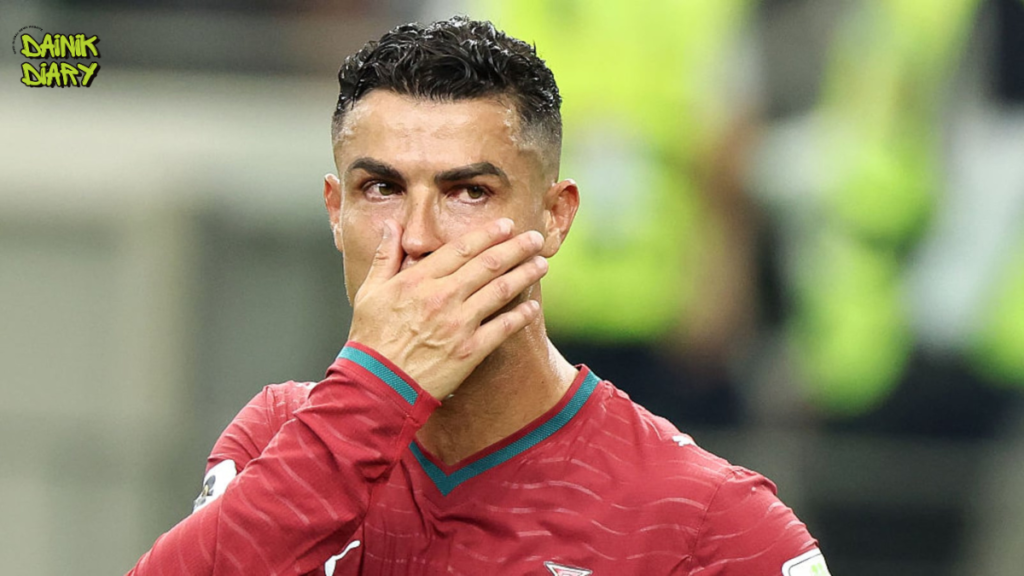
The debate surrounding Ronaldo is likely to continue long after the tournament. Few players in football history have contributed more to their national team than the Portuguese legend. His achievements, leadership, and goal-scoring records transformed Portugal into a major force on the international stage.
However, modern football often requires difficult decisions, and some believe Portugal struggled to strike the right balance between honouring a legendary figure and building a system capable of competing with the world’s elite teams.
For Ronaldo, the defeat marked the end of his final World Cup journey. It was a painful conclusion to a tournament that carried enormous emotional significance for both the player and his supporters.
Meanwhile, Spain moves forward with growing confidence, having demonstrated the tactical discipline and efficiency expected of a genuine title contender.
As Portugal begins reflecting on another missed opportunity, the biggest question remains whether the team’s commitment to familiar formulas ultimately prevented it from reaching its full potential when it mattered most.