World News
‘A Record of US Failure’: Iran’s Sharp Message After Peace Deal… And a New Warning on Hormuz
Even after signing a landmark agreement with the United States, Iran insists the outcome represents a strategic victory for Tehran, while signaling that the Strait of Hormuz will never operate under the same conditions as before the war.


Tehran/Washington: A major peace agreement may have brought an end to months of military confrontation between Iran and the United States, but the war of words appears far from over.
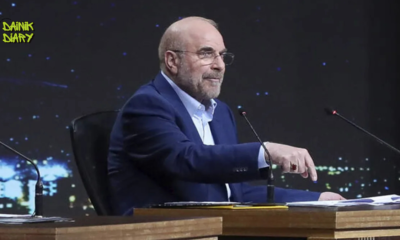
Shortly after both nations unveiled the details of their newly signed memorandum of understanding, Iran’s chief negotiator, Mohammad Bagher Ghalibaf, delivered a striking assessment of the deal, describing it as a “record of failure” for Washington.
Speaking on Iranian state television, Ghalibaf argued that the agreement reflects Tehran’s resilience rather than American success.
“The agreement is a record of US failure. People will see it and judge,” he said, while emphasizing that Iran entered negotiations from what he called a “position of strength.”
Iran Claims Battlefield Gains Strengthened Its Hand
According to Ghalibaf, Iran’s military and political standing during the conflict provided the foundation for the negotiations that followed.
He suggested that diplomatic achievements carry value only when they are backed by strategic gains on the ground. The Iranian official argued that victories achieved during conflict must eventually be reflected in legal and political agreements if they are to have lasting significance.
ALSO READ : ‘They Broke Open the Lock’: Political Storm Erupts After Police Raid Abhishek Banerjee’s Residence
His comments highlight the vastly different narratives emerging from both sides following the peace accord. While President Donald Trump has portrayed the agreement as a step toward stability and security, Iranian officials are presenting it as evidence that Tehran successfully resisted international pressure.
Hormuz Will Not Return To ‘Business As Usual’
One of the most significant statements from Ghalibaf concerned the future of the Strait of Hormuz, one of the world’s most strategically important maritime routes.
The narrow waterway connects the Persian Gulf to the Gulf of Oman and serves as a critical passage for a substantial share of global oil exports. Any disruption in the region can have immediate consequences for international energy markets.
Ghalibaf made it clear that Iran does not intend to restore the Strait to the conditions that existed before the conflict.
He announced that after an initial 60-day period of fee-free passage outlined in the agreement, Tehran plans to charge vessels using the route.
According to Iranian officials, the move reflects the country’s sovereign rights and its intention to maintain a stronger regulatory presence in the waterway.
The statement could spark concern among energy traders and shipping companies, as any changes to operations in the Strait of Hormuz are closely monitored by global markets.
Inside The US-Iran Peace Agreement
The agreement was formally signed by US President Donald Trump and Iranian President Masoud Pezeshkian, marking a significant diplomatic breakthrough after months of hostilities.
Trump signed the memorandum during a dinner meeting with French President Emmanuel Macron at the Palace of Versailles, following a G7 Summit gathering.
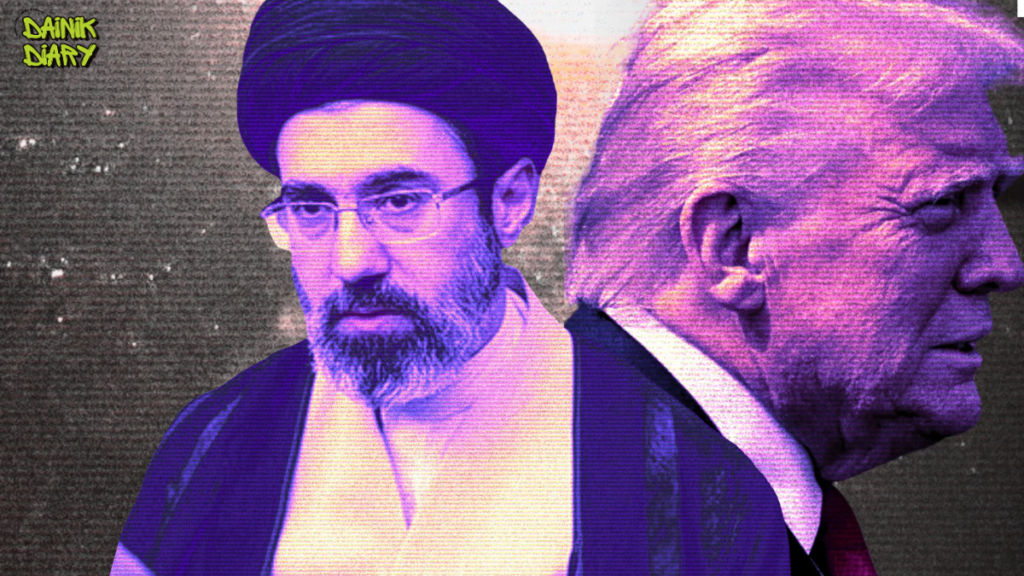
The 14-point agreement includes several major commitments from both sides.
Among its key provisions are an immediate halt to military operations, including activities linked to regional conflict zones, the removal of the US naval blockade, guarantees for commercial shipping through the Strait of Hormuz, phased sanctions relief, the release of frozen Iranian assets, and a US-backed economic development initiative reportedly valued at more than USD 300 billion.
Both nations have also committed to pursuing a broader and more comprehensive agreement within the next 60 days.
Peace Deal Signed, But Questions Remain
While the accord has reduced immediate fears of further military escalation, analysts believe the most difficult phase may still lie ahead.
Negotiators must now address unresolved issues ranging from regional security concerns to economic cooperation and future diplomatic relations.
Iran’s insistence that the agreement represents an American setback, combined with its plans to reshape operations in the Strait of Hormuz, suggests that tensions may continue beneath the surface despite the formal end of hostilities.
For now, the deal has opened a new chapter in one of the world’s most closely watched geopolitical rivalries. Whether it leads to lasting peace or merely a temporary pause remains a question that only time can answer.