Sports
ICC unveils biggest World Cup shake-up in years… ODI gets ‘Super 7’, T20 World Cup introduces ‘Super 10’ and Eliminators
The ICC has approved sweeping changes to the formats of the Men’s ODI and T20 World Cups, aiming to make every match more competitive while giving emerging teams greater opportunities on the global stage.

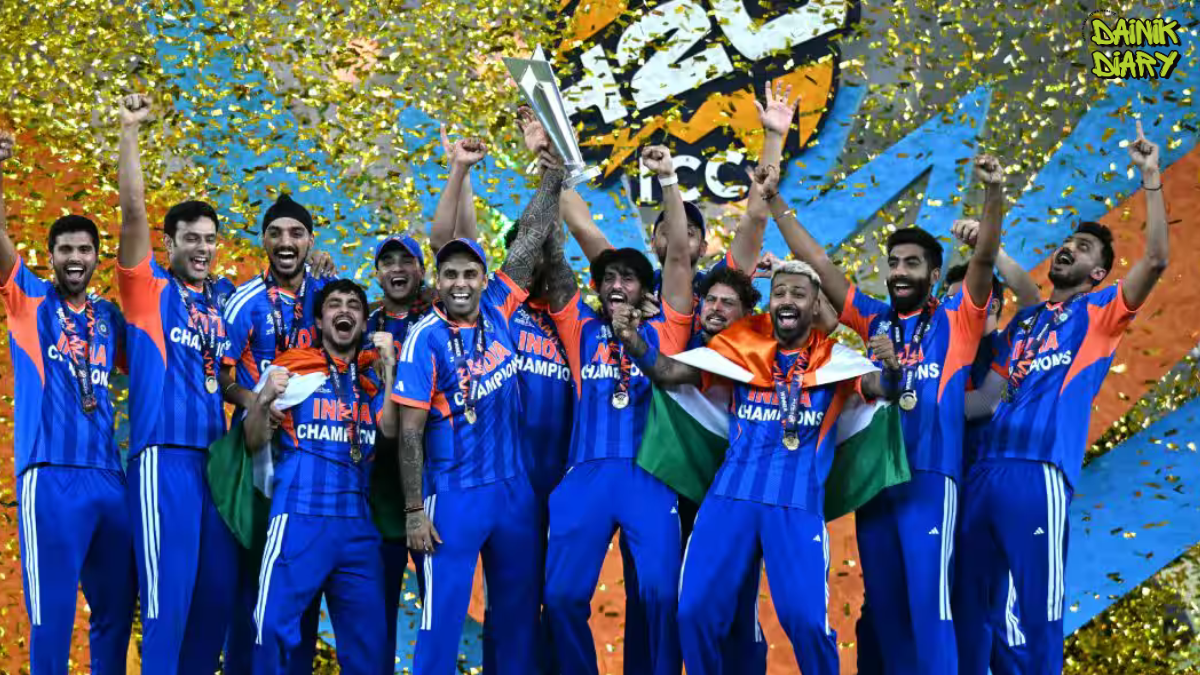
The International Cricket Council (ICC) has approved significant changes to the formats of its flagship Men’s ODI World Cup and Men’s T20 World Cup, introducing new tournament structures designed to increase competition and create more high-stakes matches.
The decisions were ratified during the ICC Annual Conference in Edinburgh, following recommendations from the Chief Executives’ Committee. According to the governing body, the revamped formats are intended to improve the competitive balance of both tournaments while enhancing the experience for players, broadcasters, and fans.
ODI World Cup to introduce three-stage format
The ICC Men’s Cricket World Cup will continue to feature 14 teams, but the tournament will now follow a new three-stage structure.
Under the revised system, the teams ranked 12th, 13th, and 14th will first compete in a Super Series, with only one team progressing to the main tournament.
The remaining 12 teams, along with the Super Series winner, will then compete in the second stage, where they will be divided into two groups of six teams.
From these groups:
- The top three teams from each group will qualify.
- The best fourth-placed team across both groups will also advance.
These seven teams will then contest the newly introduced Super 7 round-robin stage.
The top four teams in the Super 7 standings will secure places in the semi-finals, with the winners progressing to the final.
According to the ICC, the new structure ensures that matches throughout the tournament carry greater significance.”The structure has been designed to strengthen the competitive narrative across every stage of the event,” the ICC said.
T20 World Cup gets ‘Super 10’ and Eliminator round
The Men’s T20 World Cup has also undergone a major revamp following the strong performances of several emerging cricket nations during the 2026 edition.
Instead of four groups of five teams, the opening stage will now consist of five groups of four teams.
The top two teams from each group will qualify for a new Super 10 phase, which will be split into two groups of five teams.
One of the biggest changes comes in the knockout qualification process.
- The group winners from each Super 10 group will qualify directly for the semi-finals.
- Teams finishing second and third will play cross-over Eliminators.
- The two Eliminator winners will claim the remaining semi-final spots.
The ICC believes this system will reward consistent performances while giving more teams a realistic chance of reaching the knockout stage.
Qualification pathway confirmed for T20 World Cup 2028
The ICC Board also finalised the qualification process for the 2028 Men’s T20 World Cup.
Scotland has been granted direct entry into the Europe Regional Final, taking into account exceptional circumstances surrounding its participation in the 2026 tournament.
Meanwhile, teams that featured in the 2026 T20 World Cup but failed to secure automatic qualification will advance directly to the Global Qualifier.
ALSO READ: Rohit Sharma Sends Strong Fitness Warning Ahead of England ODIs… India Captain Begins Batting Grind After Family Break
They will be joined by eight regional qualifiers:
- Two teams each from Africa, Asia, and Europe
- One team each from the Americas and East Asia-Pacific
From the Global Qualifier, the highest-ranked team from each region, along with the next three best-performing teams overall, will qualify for the 2028 T20 World Cup, subject to the ICC’s minimum performance requirements.
New tournament planned for Associate nations

In another significant development, the ICC Board has endorsed plans to introduce a new global tournament exclusively for Associate Member nations.
The proposal will now undergo financial and commercial evaluation before being presented for final approval during the ICC Board’s meeting scheduled for November.
If approved, the competition is expected to provide Associate nations with more opportunities to compete at the highest international level and strengthen cricket’s global growth.
With the introduction of the Super 7, Super 10, and Eliminator rounds, the ICC is aiming to make future World Cups more competitive, more engaging, and better suited to the rapidly evolving landscape of international cricket.