Education News
‘No More Boring Protests’: How Gen Z’s Memes, Viral Slogans and Pop Culture Are Redefining the NEET Paper Leak Movement
From sarcastic placards to internet-inspired slogans, students protesting the NEET-UG 2026 controversy are using humour, memes and social media to amplify their demands for accountability.

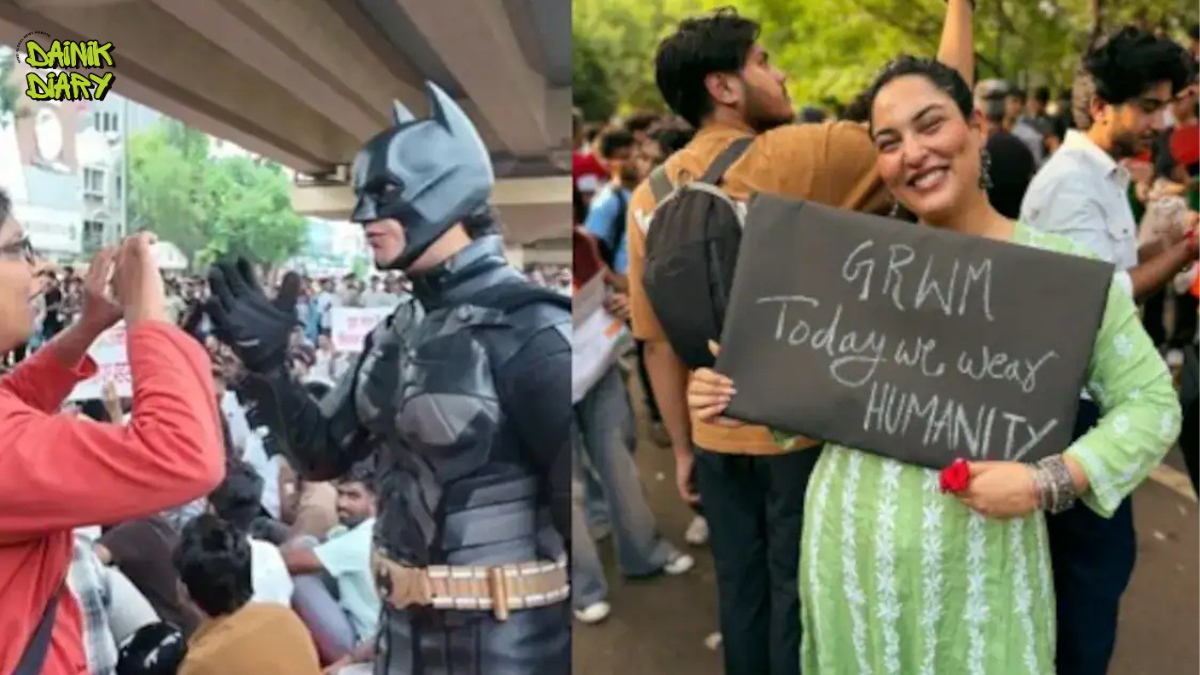
The NEET-UG 2026 paper leak protests have not only reignited debates over examination integrity but have also showcased a dramatic shift in how young Indians express dissent.
Unlike traditional student demonstrations dominated by lengthy speeches and handwritten banners, today’s protests are being shaped by Generation Z and Generation Alpha, who are bringing the language of the internet to the streets. Memes, witty slogans, movie dialogues and pop-culture references have become defining features of the movement, making protests more relatable and highly shareable online.
Across campuses and protest sites, humour is emerging as a powerful way to communicate frustration while keeping public attention focused on the issue.
Memes Become a Tool for Activism
For many young protesters, social media is more than a platform—it is a space where opinions are formed, shared and amplified.
Students are creating placards featuring viral memes, clever wordplay, trending songs and references from popular films and web series. These creative messages often spread quickly across Instagram, X, and YouTube, reaching audiences far beyond the protest venues.
ALSO READ : Abhijeet Dipke Picked Up by Police CJP Makes Big Claim Amid NEET Protest, Says JP Nadda Assured Internal Talks
Instead of relying solely on traditional slogans, many participants are using satire to question the credibility of the examination system and demand greater transparency.
Why Humour Is Resonating
Experts say humour has become an effective communication tool because it allows serious concerns to be presented in a way that captures public attention.
A witty poster or a clever meme is more likely to be photographed, shared and discussed online than a conventional protest slogan. This has enabled student voices to reach millions through digital platforms within hours.
The combination of creativity and social media has transformed local demonstrations into nationwide conversations, with hashtags and viral content helping sustain public interest.
Digital Culture Meets Street Protests
The influence of internet culture is visible throughout the movement.
Students are borrowing popular catchphrases, remixing famous movie dialogues and adapting trending internet jokes to comment on issues such as examination security, accountability and student welfare.

Many protesters believe that using familiar cultural references makes their message easier to understand, especially for young audiences who consume most of their information through short-form digital content.
The result is a protest movement that reflects the communication style of a generation raised in the age of smartphones and social media.
A Broader Shift in Student Activism
The creative approach seen during the NEET-UG 2026 protests may signal a broader transformation in student activism across India.
While the demands remain serious—calling for fair examinations, transparency and institutional accountability—the methods of communication are evolving rapidly.
Political analysts note that digital-first campaigns now play a crucial role in shaping public opinion, with viral content often influencing discussions as much as speeches or press conferences.
Beyond the Memes
Despite the humour, students insist that the issues at the heart of the movement remain deeply important.
Behind every viral slogan and humorous placard lies a demand for a more reliable examination system, stronger safeguards against malpractice and greater confidence in educational institutions.
As the protests continue, one thing has become clear: Generation Z is not abandoning activism—it is reshaping it using the language and creativity of the digital era.