
World News
Europe’s Deadly Heatwave Explained, How an ‘Omega Block’ Is Trapping 40°C Heat Across the Continent
A rare atmospheric pattern shaped like the Greek letter Ω is locking warm African air over Europe, triggering extreme temperatures and fatalities.

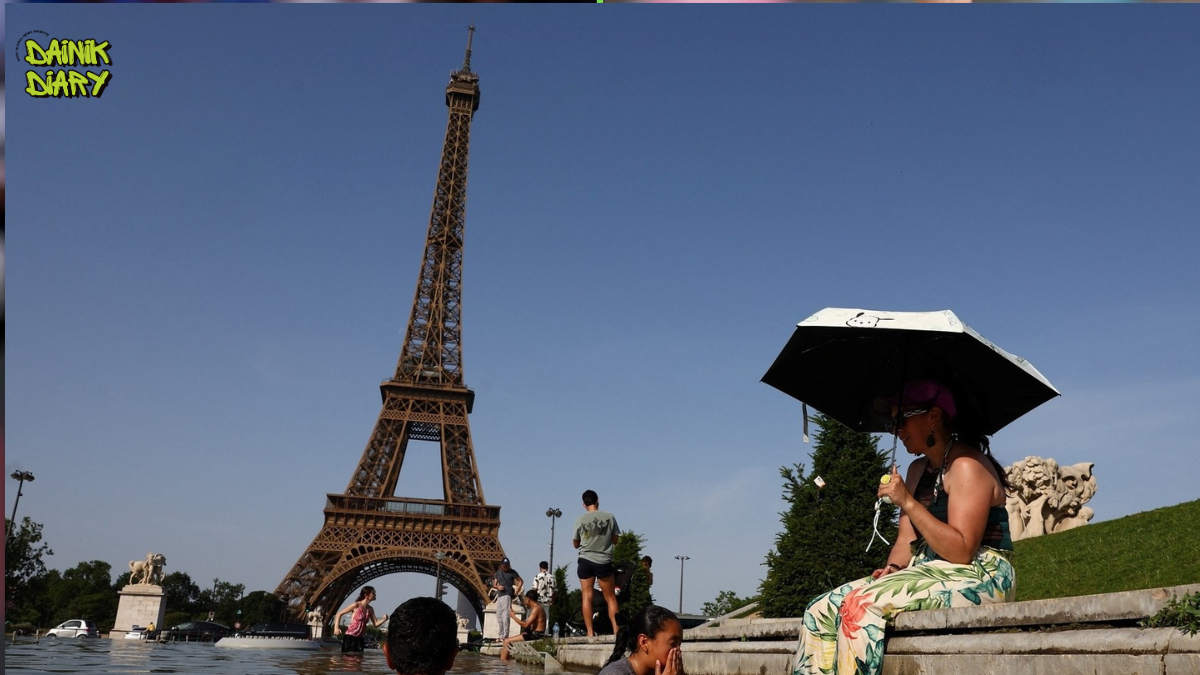
A severe early-summer heatwave has gripped large parts of Western Europe, pushing temperatures beyond 40°C and forcing governments to issue emergency warnings. Countries like France, Spain, and the United Kingdom are witnessing extreme conditions, with schools shut, red alerts issued, and dozens of lives lost.
Authorities in France alone have linked more than 40 deaths to the ongoing heatwave—many due to drownings as people rushed to water bodies in search of relief.
What Is an ‘Omega Block’?
At the heart of this extreme weather lies a powerful atmospheric phenomenon known as the Omega Block.
The term comes from its resemblance to the Greek letter Ω (Omega). In simple terms:
- A high-pressure system sits in the centre
- It traps hot air (often from Africa)
- On either side are low-pressure systems with cooler air
This “blocking pattern” prevents weather systems from moving, causing heat to linger over the same region for days or even weeks.
Why This Heatwave Is So Intense
Meteorologists say the current Omega block is particularly strong because:
- It is pulling warm air masses from North Africa into Europe
- The high-pressure dome compresses the air, raising temperatures further
- The lack of wind or rain means no natural cooling mechanism
As a result, heat gets “locked in,” turning cities into prolonged heat zones.
Red Alerts and Rising Risks
The impact has been severe:
- France: Temperatures exceed 40°C, dozens of deaths reported
- Spain: Extreme heat continues across multiple regions
- United Kingdom: A rare red heat warning issued—only the second in history
The heatwave has disrupted daily life, with authorities urging people to stay indoors, hydrate, and avoid peak sunlight hours.
A Tragic Side Effect
One of the most alarming consequences has been the rise in drowning incidents.
As temperatures soared, many people sought relief in rivers, lakes, and seas—often under unsafe conditions—leading to fatal accidents.
ALSO READ : Trump Warns Iran ‘We Will Hit Very Hard Tonight’: Why Kharg Island Has Suddenly Become The Center Of A Dangerous New Standoff
Why Different Regions Feel It Differently
Interestingly, not all parts of Europe are experiencing the heat in the same way.
This is because the Omega block creates contrasting weather zones:
- Areas under the high-pressure dome face extreme heat
- Regions near low-pressure systems may see cooler or unstable weather
A Warning Sign for the Future?
Experts believe such extreme weather patterns could become more frequent due to climate change, raising concerns about preparedness and resilience.
The question now is not just how Europe will cope with this heatwave—but whether such events will soon become the new normal.

