
Automobile
Will Using E20 Petrol Void Your Car Insurance? Government Breaks Silence on Warranty, Claims and Viral Myths
The Government of India has clarified that using E20 petrol will neither affect motor insurance claims nor cancel manufacturer warranties, while also debunking several misconceptions surrounding the ethanol-blended fuel.

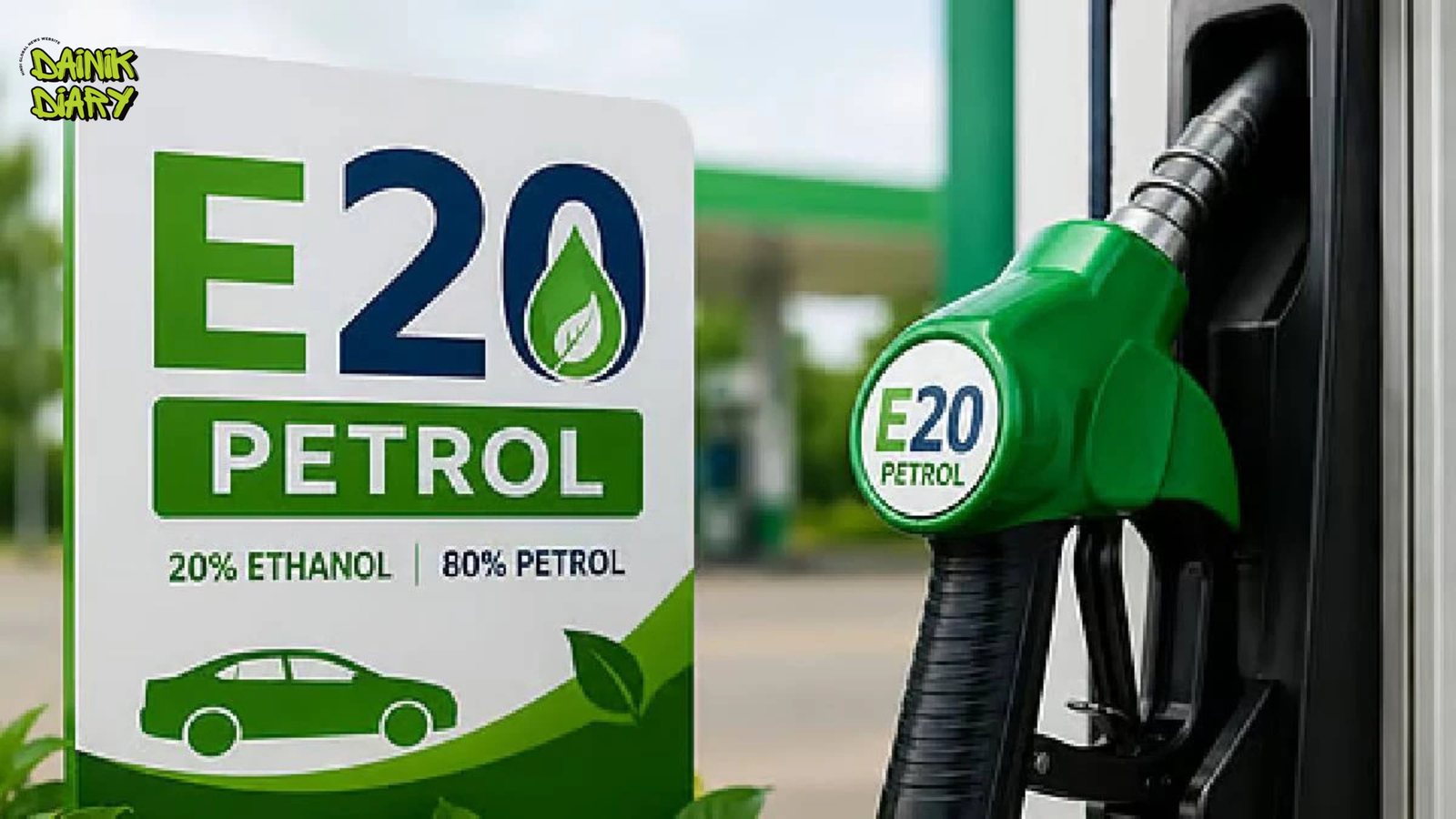
New Delhi: As E20 petrol becomes increasingly available across India, many vehicle owners have been left wondering whether switching to the ethanol-blended fuel could create problems with their motor insurance or even void their vehicle warranty. Putting these concerns to rest, the Government of India has confirmed that using E20 fuel does not impact insurance claims or manufacturer warranty, provided the fuel meets prescribed quality standards.
The clarification comes amid widespread social media posts and online discussions claiming that motorists using E20 petrol could face insurance claim rejections, engine damage or reduced vehicle performance.
Government Clears the Air on Insurance and Warranty
According to the Ministry of Information and Broadcasting, both insurance companies and automobile manufacturers have confirmed that the use of E20 petrol does not invalidate motor insurance policies or original equipment manufacturer (OEM) warranties.
Read More- 2027 Suzuki GSX-R1000 Breaks Cover… New Engine, Smarter Electronics and Carbon Winglets Raise Hopes for India Launch
The ministry also stated that the Society of Indian Automobile Manufacturers (SIAM) has reiterated that vehicles approved for E20 fuel will continue to enjoy full warranty coverage when the fuel complies with prescribed standards.
This means vehicle owners using approved E20 petrol do not have to worry about losing warranty protection or facing insurance-related complications solely because of the fuel they use.
Why Were Vehicle Owners Concerned?
The concerns emerged after several viral posts claimed that using ethanol-blended petrol could negatively affect vehicles, especially older models. Many motorists feared that E20 fuel might:
- Lead to rejection of motor insurance claims.
- Void the manufacturer’s warranty.
- Damage vehicle engines.
- Cause a significant drop in fuel efficiency.
However, the government has dismissed these claims, stating that they are not supported by scientific evidence.

Government Debunks Viral Myths Around E20 Petrol
Earlier, the Ministry of Petroleum and Natural Gas issued a detailed clarification addressing misinformation surrounding the country’s ethanol blending programme.
According to the ministry:
- Using E20 petrol does not invalidate motor insurance.
- Manufacturer warranties remain valid when approved E20 fuel is used.
- Claims suggesting E20 reduces mileage by 30% are misleading.
- There is no scientific evidence that E20 damages compatible vehicle engines.
- Modern ethanol production consumes significantly less water than many viral social media posts have claimed.
The ministry also noted that modern ethanol plants typically use only 3 to 5 litres of processed water to produce one litre of ethanol and operate using Zero Liquid Discharge (ZLD) technology to minimise environmental impact.
What Exactly Is E20 Petrol?
E20 petrol is a fuel blend consisting of 20% ethanol and 80% petrol.
The Indian government has been promoting ethanol blending as part of its broader strategy to:
- Reduce dependence on imported crude oil.
- Lower greenhouse gas emissions.
- Save valuable foreign exchange.
- Increase income opportunities for farmers by boosting demand for ethanol feedstock.
According to the Ministry of Petroleum and Natural Gas, India’s ethanol production capacity has grown dramatically—from around 421 crore litres in 2014 to nearly 2,000 crore litres in 2026.
India Joins a Global Trend
India is not alone in adopting ethanol-blended fuel. Several countries already use similar blends as part of their energy and environmental strategies.
These include:
- United States (E10 and expanding E15)
- Brazil (E27 and higher blends)
- Canada
- Japan
- Thailand
- Several European nations
As the nationwide rollout of E20 petrol continues, the government’s latest clarification aims to reassure motorists that using the approved fuel will not jeopardise their insurance coverage or vehicle warranty while supporting India’s long-term clean energy goals.








Pingback: 'Will E20 Damage My Car?' Survey Reveals Most Indians Are Still Reluctant To Switch To Ethanol-Blended Petrol - Dainik Diary - Authentic News