
India News
One Faulty BMS Can End a Driver’s Entire Day’s Income—The Growing Crisis Facing India’s E-Rickshaw Owners
An unexpected BMS failure can stop an e-rickshaw in the middle of the road within seconds—leaving daily wage drivers stranded, passengers frustrated, and families struggling to make ends meet. Experts say awareness, quality components, and stricter regulations are urgently needed.

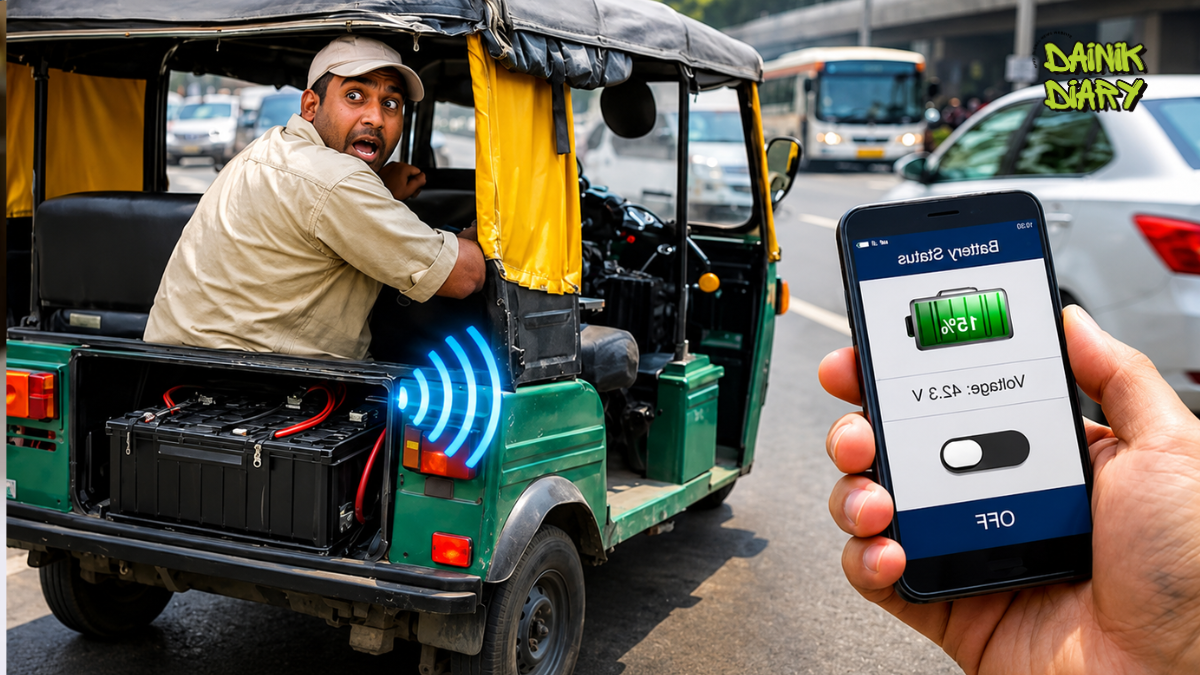
A Small Electronic Part That Can Bring an Entire Family’s Income to a Halt
For millions of e-rickshaw drivers across India, every ride matters. Unlike salaried workers, they earn only when their vehicle is on the road. But an increasingly common problem is threatening their livelihood—a sudden failure of the Battery Management System (BMS).
Many drivers say their e-rickshaw stops without warning in the middle of busy roads, markets, or highways. The vehicle refuses to move, passengers are forced to get down, and the driver’s income for the day often disappears in a matter of minutes.
For families that depend entirely on daily earnings, a faulty BMS is more than just a technical issue—it becomes a financial crisis.
What Is a Battery Management System (BMS)?
The Battery Management System, commonly known as BMS, is one of the most important electronic components in an electric vehicle. It constantly monitors the battery’s health, temperature, charging, and power distribution.
A high-quality Smart BMS protects the battery and improves its lifespan. However, experts warn that low-grade or poorly designed BMS units can malfunction unexpectedly, causing the entire vehicle to shut down even when the battery still has charge.
The Hidden Cost of Sudden Breakdowns
When an e-rickshaw stops unexpectedly, the driver suffers multiple losses at once.
Passengers often cancel the ride or refuse to pay the full fare because the journey remains incomplete. If the vehicle cannot be restarted, the driver has to arrange towing or manually push it to the nearest mechanic.
The repair bill can range from hundreds to several thousand rupees depending on the issue. For someone earning only enough to support daily household expenses, such unexpected costs can be devastating.
In many cases, the day’s earnings are completely wiped out before the driver even reaches home.
Are Cheap Components Making the Problem Worse?
Several mechanics and industry professionals believe that the use of low-quality electronic components, including inexpensive imported BMS units, has become a growing concern in parts of the aftermarket.
While not every imported component is defective, experts caution that poorly manufactured or untested products may fail more frequently than certified alternatives. Some manufacturers and dealers are accused by drivers of prioritising lower costs over long-term reliability.
Choosing inferior parts may reduce manufacturing expenses, but it can significantly increase maintenance costs for vehicle owners later.
Drivers Raise Questions Over Warranty Claims
Another major complaint from e-rickshaw owners involves warranty disputes.
According to many drivers, when they approach dealers for warranty support after a BMS failure, they are sometimes told that the issue resulted from “improper charging,” “water damage,” or “user negligence.”
As a result, many claims are rejected, forcing drivers to pay the full repair cost out of their own pockets.

Consumer rights experts advise drivers to maintain purchase invoices, warranty cards, and service records to strengthen any future warranty claims.
Financial Pressure Extends Beyond Repairs
A large number of e-rickshaws in India are purchased through bank loans or EMI financing.
When the vehicle remains off the road for several days due to repairs, drivers lose income while loan instalments continue to be due. Missed EMIs can lead to penalties, additional financial stress, and even the risk of loan default.
For many families, one faulty electronic component can create a chain reaction affecting household expenses, children’s education, and basic living costs.
Mental Stress Is an Often-Ignored Reality
Beyond financial losses, repeated breakdowns also take a psychological toll.
Drivers constantly worry about whether their vehicle will stop unexpectedly during a trip. The uncertainty creates anxiety, affects confidence, and increases pressure on individuals who already work long hours under challenging conditions.
Many drivers say they leave home every morning hoping the vehicle will simply complete the day’s work without any technical failure.
How Drivers Can Reduce the Risk
Experts recommend several practical steps to minimise BMS-related problems:
- Choose a branded Smart BMS instead of the cheapest available option.
- Purchase batteries and electronic parts from authorised dealers.
- Avoid overcharging and use only compatible chargers.
- Protect the battery pack from water, excessive heat, and moisture.
- Schedule regular maintenance to identify electrical issues before they become serious.
- Keep warranty documents and service records safely for future claims.
Although these measures cannot eliminate every failure, they can significantly reduce the chances of unexpected breakdowns.
Need for Stronger Quality Standards
Industry experts believe India needs stricter quality standards for battery management systems used in electric vehicles.
Regular testing, certification requirements, transparent warranty policies, and stronger consumer protection could improve product reliability while reducing unnecessary financial losses for drivers.
As India’s electric mobility sector continues to expand rapidly, ensuring the quality of critical components like the Battery Management System will be essential for protecting both consumers and the industry’s reputation.
The Bottom Line
India’s transition towards electric mobility should improve lives—not make them more difficult.
For thousands of hardworking e-rickshaw drivers, a reliable Battery Management System isn’t merely an electronic circuit. It represents uninterrupted work, stable income, and the ability to provide for their families.
Better-quality components, greater consumer awareness, and stronger regulatory oversight could help ensure that one small electronic device no longer decides whether a driver earns a living or returns home empty-handed.

