Sports
“Why Does Harshit Rana Keep Getting Chances?” Congress MP Abhishek Singhvi Questions Gautam Gambhir After India’s Defeat
India’s team selection comes under fresh scrutiny after England’s successful chase in the second T20I, with Harshit Rana, Sanju Samson’s exclusion, and bowling failures sparking intense debate.

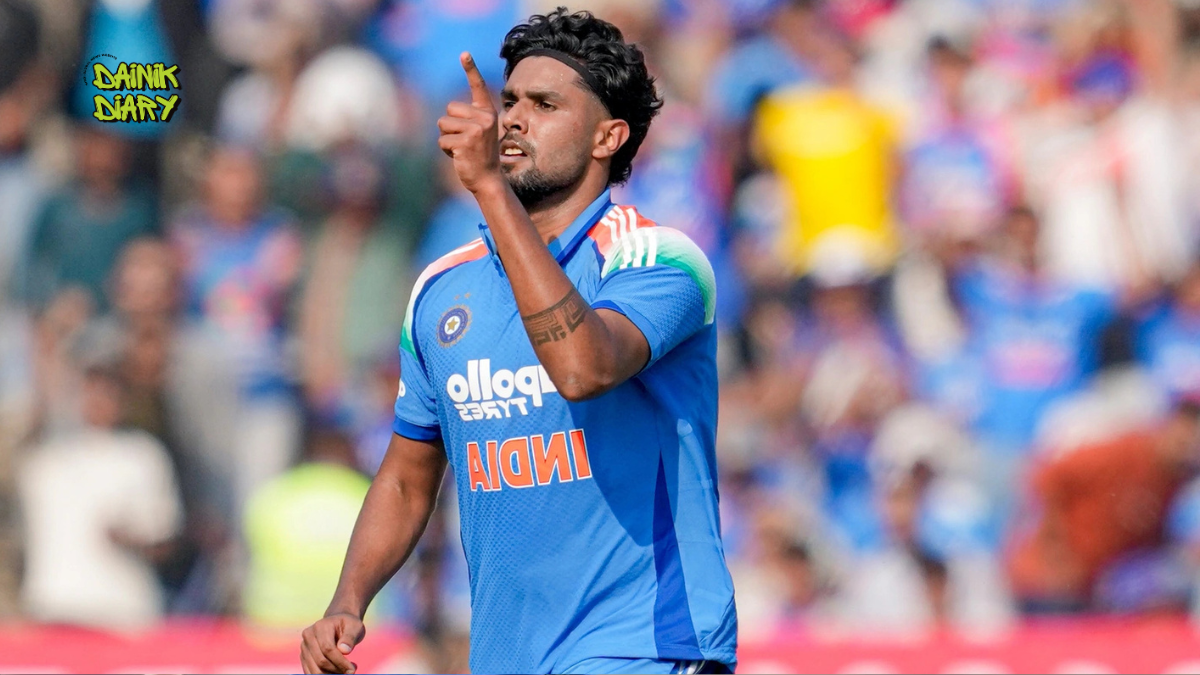
“Why Is Harshit Rana Still Being Backed?” Singhvi Questions Team India’s Selection Strategy
India’s defeat against England in the second T20I has not only put the visitors behind in the five-match series but has also reignited criticism over the team’s selection policy. Among those questioning the decisions is senior Congress leader Abhishek Singhvi, who openly challenged head coach Gautam Gambhir’s continued faith in young pacer Harshit Rana.
Taking to social media platform X after India’s loss, Singhvi questioned why Rana continues to receive repeated opportunities despite failing to deliver consistent performances. He suggested that selection should be based on current form and impact rather than reputation or prolonged backing.
The comments quickly gained attention, adding another layer of pressure on the Indian team management ahead of the crucial third T20I.
England Take Control of the Series
The second T20I, played at Old Trafford, Manchester, saw India post a competitive total of 190/7 after being asked to bat first. However, England comfortably chased the target with an over to spare, taking a 1-0 lead in the series.
Despite early breakthroughs, India’s bowling attack failed to maintain pressure during the middle and death overs. England gradually took control of the chase before sealing victory with confidence.
Harshit Rana’s Performance Under the Spotlight
Much of the criticism centered around Harshit Rana, who bowled three overs and conceded 30 runs, claiming his only wicket in the 18th over when England were already closing in on victory.
His performance has once again raised questions over whether India should persist with him or hand an opportunity to another promising fast bowler such as Prince Yadav in the upcoming match.
Bowling Collapse Costs India
India’s bowlers struggled to defend what looked like a fighting total.

Axar Patel emerged as the most economical bowler, while Arshdeep Singh picked up three wickets despite conceding 40 runs. Ravi Bishnoi, however, endured a difficult outing, leaking 60 runs in four overs, including a costly 29-run 17th over that completely shifted momentum towards England.
The expensive spells continued a worrying trend for India’s bowling attack, with the team once again failing to control the scoring during crucial phases of the innings.
ALSO READ :Harshit Rana’s Surprise India Return! BCCI Adds Speedster for Final Afghanistan ODI Despite Young Pacers Impressing
After the match, captain Shreyas Iyer admitted that conceding too many boundaries and expensive overs proved decisive in the defeat.
Selection Decisions Spark Fresh Debate
India’s team selection also became a major talking point before the match.
Despite the coaching staff—including batting coach Sitanshu Kotak, assistant coach Ryan ten Doeschate, and bowling coach Morne Morkel—previously backing the existing batting order, the team surprised many by leaving out Sanju Samson and handing Vaibhav Sooryavanshi his T20I debut.
The move raised eyebrows, especially as it appeared to contradict earlier statements suggesting younger players would have to wait for their opportunities.
On debut, Vaibhav Sooryavanshi scored 14 runs, while Abhishek Sharma contributed 43 and Ishan Kishan top-scored with 49, helping India reach 190.
Must-Win Clash Awaits India
With England now leading the series, India face a must-win situation heading into the third T20I.
Apart from improving their bowling discipline, the team management is expected to face increased scrutiny over selection choices. Whether Gautam Gambhir sticks with the current combination or introduces fresh faces like Prince Yadav could become one of the biggest talking points before the next match.
For India, the road back into the series now depends not only on better execution on the field but also on making bold and effective selection decisions.