Politics
‘We Were Very Close to Winning, What Happened?’ Rahul Gandhi Questions Kanhaiya Kumar After DUSU Setback
Rahul Gandhi has reportedly sought answers from Kanhaiya Kumar and NSUI president Vinod Jakhar after the Congress student wing failed to secure any of the four central-panel posts in the 2026 DUSU election. Candidate selection and the loss of former NSUI member Deepanshu Shokeen reportedly featured prominently in the review.

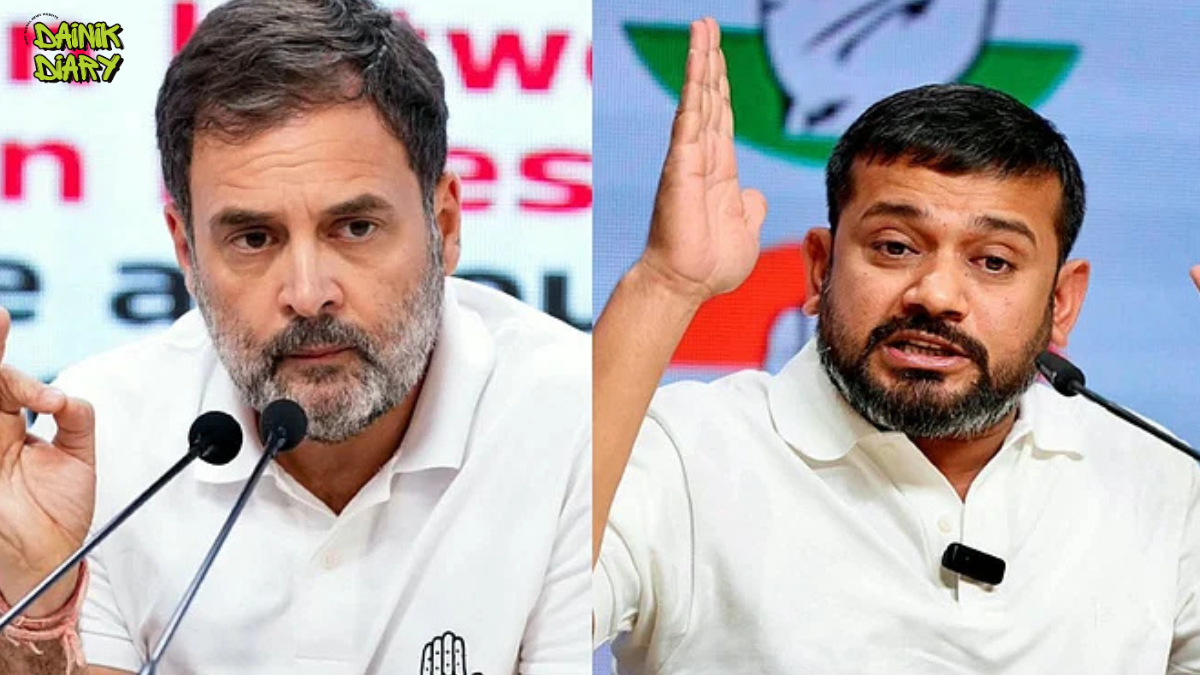
The Congress is examining what went wrong in the Delhi University Students’ Union (DUSU) election, with Rahul Gandhi reportedly questioning senior leaders involved in the campaign after the National Students’ Union of India (NSUI) failed to win a central-panel post.
Weeks after the September election, Gandhi met Kanhaiya Kumar, who oversees the Congress student wing, and NSUI national president Vinod Jakhar on Monday to review the result.
According to reports citing party sources, Gandhi wanted to know how a campaign that was expected to mount a serious challenge ultimately ended without a single central-panel victory.
One question attributed to him captured the focus of the meeting:
“We were very close to winning the presidential seat, then what happened?”
Rahul Gandhi seeks answers over NSUI performance
The meeting reportedly went beyond simply reviewing the final result.
Gandhi is said to have sought explanations regarding campaign strategy, candidate selection and organisational decisions made ahead of the election.
Congress general secretary KC Venugopal was also reported to have attended the meeting.
According to the source-based accounts, Venugopal questioned Kumar about the outcome as well, particularly because Kumar had played an important role in the candidate-selection process.
The discussion signals that the party is reviewing not only how its candidates performed but also whether decisions made before polling affected the final outcome.
What happened in the 2026 DUSU election?
The DUSU central panel consists of four positions — president, vice-president, secretary and joint secretary.
In the 2026 election, the Akhil Bharatiya Vidyarthi Parishad (ABVP) secured three of those four positions — president, secretary and joint secretary.
The remaining vice-president position went to independent candidate Deepanshu Shokeen, a former NSUI member.
That left the NSUI without a victory on the four-member central panel.
Why Deepanshu Shokeen reportedly came up in the meeting
Shokeen’s victory reportedly became an important subject during Congress’s internal review.
According to reports citing sources familiar with the discussion, Gandhi questioned why the former NSUI member could not be accommodated within the organisation’s candidate plans.
Kumar and Jakhar reportedly responded that the conditions put forward by Shokeen had not been considered reasonable.
As the details come from accounts attributed to unnamed sources rather than an official transcript of the meeting, they should be viewed as reported versions of the internal discussion.
Nevertheless, Shokeen winning as an independent after previously being associated with NSUI adds another dimension to the party’s post-election assessment.
DUSU result puts Congress’s youth strategy under scrutiny
For the Congress, the significance of the DUSU result extends beyond university politics.
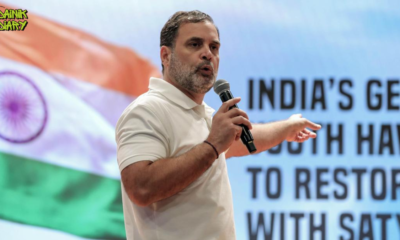
Rahul Gandhi has made youth and student engagement a visible part of his political outreach, including through ‘Chhatron Ki Goonj’ interactions intended to raise issues affecting students.
The DUSU contest therefore provided an opportunity to test the organisational strength of that outreach on a major university campus.
The result showed a gap between generating student engagement and converting it into victories across the central panel.
What caused that gap is precisely what the Congress leadership now appears to be examining.
ALSO READ : Shashi Tharoor targets Election Commission over ECINet row: ‘Rescind this disastrous software and undo the harm…’
Candidate selection or campaign strategy — what went wrong?
The review raises several organisational questions for the NSUI.
Was the setback primarily about candidate selection? Did the campaign fail to convert support into votes? Did internal disagreements hurt the organisation? Or did the ABVP simply run a more effective campaign for the three positions it won?
The meeting reportedly examined some of these issues, but no detailed official account establishing the reasons for the defeat has been released.
That distinction matters because internal assessments and source-based accounts can identify areas of concern, but they do not by themselves establish why voters made their choices.
Rahul Gandhi wants a closer look at the result
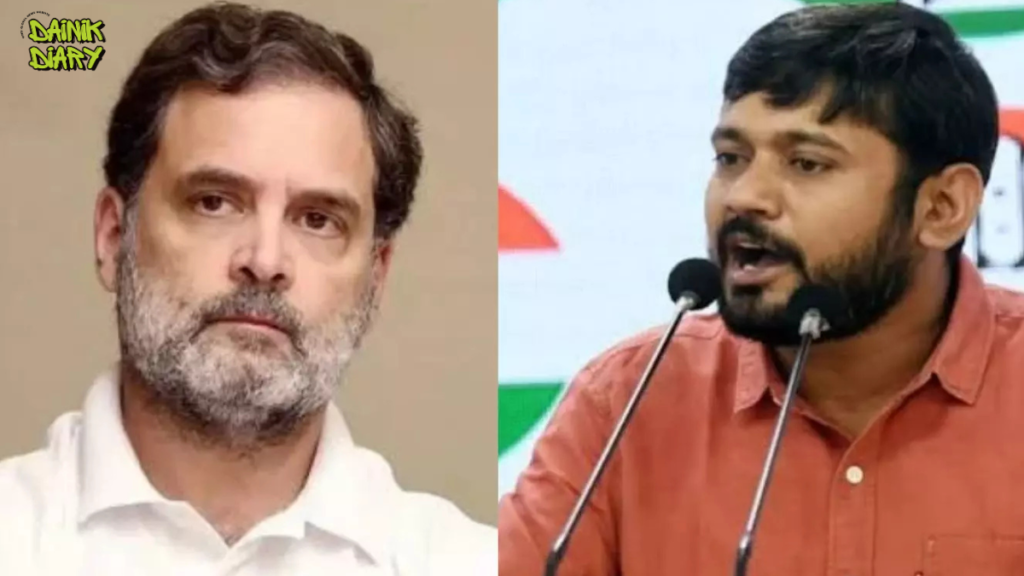
The reported question — “We were very close to winning… what happened?” — reflects the central issue now facing the NSUI leadership.
The organisation entered the election hoping to strengthen its position at Delhi University. Instead, it emerged without any of the four central-panel offices, while a former member won independently.
For Kanhaiya Kumar, Vinod Jakhar and the NSUI, the focus now shifts from campaigning to reviewing the decisions that produced that outcome.
And for the Congress leadership, the larger challenge is likely to be figuring out how its broader student outreach can translate into stronger organisation and electoral performance on campuses.