India News
‘Fast-Track Courts Won’t End NEET Crisis’: Opposition Demands Dharmendra Pradhan’s Resignation After PM Modi’s Big Announcement
Prime Minister Narendra Modi promises swift justice in paper leak cases, but opposition leaders say the real issue lies within the NEET system itself, renewing calls to abolish the exam.

Dharmendra Pradhan’s Resignation After PM Modi’s Big Announcement
PM Modi Announces Fast-Track Courts for Paper Leak Cases
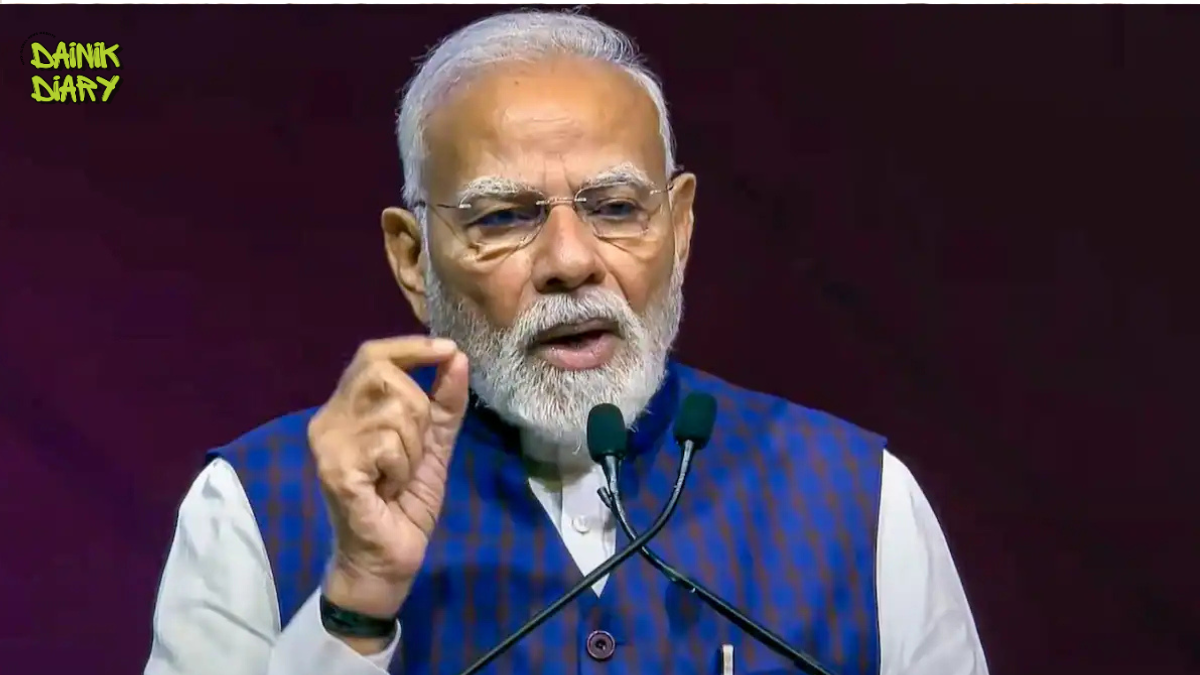
In a significant move aimed at restoring confidence in India’s competitive examination system, Prime Minister Narendra Modi on Thursday announced that the Central Government will establish fast-track courts to ensure the speedy trial of individuals involved in alleged NEET paper leak cases.
Sharing the decision on X (formerly Twitter), the Prime Minister said the government is committed to protecting the interests of students and ensuring that those responsible for examination malpractice face strict punishment without unnecessary delays.
According to PM Modi, the Centre has directed the concerned authorities to take all necessary steps so that investigations and legal proceedings are completed swiftly, sending a strong message against paper leak networks operating across the country.
Political Reactions Intensify
While the announcement was welcomed by many students seeking accountability, it immediately sparked strong political reactions.
The Congress Janata Party (CJP) questioned whether setting up fast-track courts alone would solve the larger crisis surrounding NEET. The party demanded the resignation of Union Education Minister Dharmendra Pradhan, arguing that accountability should begin at the highest level of the education administration.
The opposition maintained that legal action against accused individuals is important, but it does not address concerns over repeated examination controversies and administrative failures.
MK Stalin Renews Demand to Scrap NEET
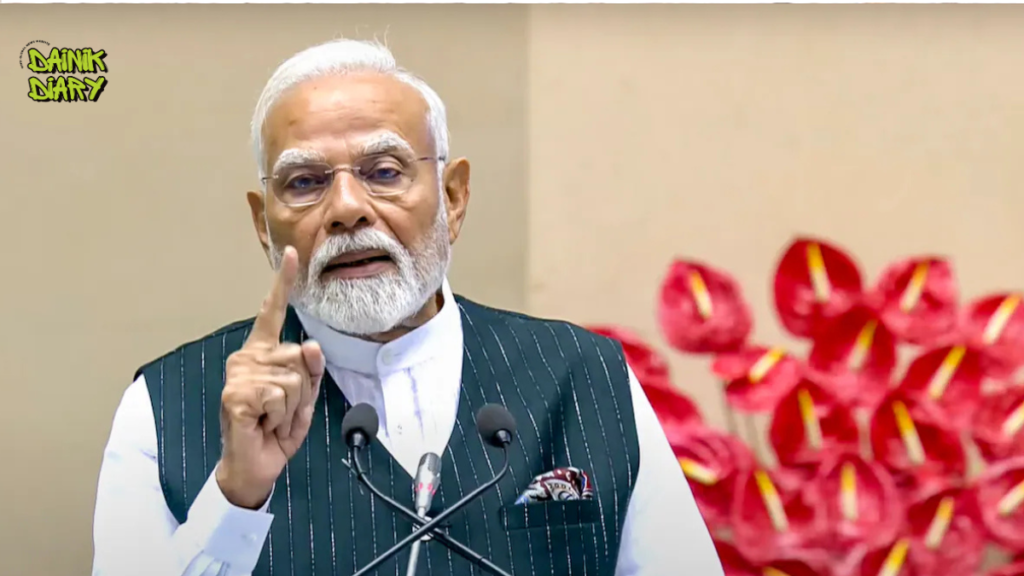
Joining the debate, DMK President and former Tamil Nadu Chief Minister MK Stalin once again called for the complete abolition of the National Eligibility cum Entrance Test (NEET).
In a strongly worded statement, Stalin argued that NEET has failed to deliver on the promises made when it was introduced. According to him, the examination has neither reduced academic pressure on students nor eliminated commercial coaching institutions. Instead, he claimed, it has shifted the focus of education from schools to expensive coaching centres.
ALSO READ : DMK Knocks on Supreme Court’s Door Over Vijay’s Karur Visit, Seeks Gag Order on Ministers in Stampede Probe
Stalin described the current controversy as evidence of deeper structural issues rather than isolated procedural lapses. He urged the Union Government to treat the ongoing protests by students as a serious warning and reconsider the future of the examination.
Growing Concerns Among Students
The latest developments come at a time when students and parents across the country continue to express concerns about fairness and transparency in competitive examinations.
The alleged NEET paper leak controversy has triggered widespread debate over the security of national entrance tests, with many demanding stronger safeguards, improved monitoring mechanisms, and greater accountability from examination authorities.
Education experts believe that while fast-track courts could speed up the judicial process and deter future offenders, broader reforms in examination management, digital security, and administrative oversight are equally necessary to restore public trust.
Government Faces Pressure on Multiple Fronts
The Centre now faces pressure from both political parties and student groups. On one hand, the government is attempting to demonstrate zero tolerance against examination fraud through fast-track judicial proceedings. On the other, opposition leaders continue to question whether systemic reforms—including a review of NEET itself—are needed to prevent similar controversies in the future.
As investigations into the alleged paper leak continue, the debate over the future of India’s medical entrance examination is expected to remain at the centre of national political and educational discussions.