
Tech
Thinking of Buying Vivo X300 Pro? These 5 Flagship Phones Could Give You More for Your Money
The Vivo X300 Pro is packed with premium features, but rivals from Samsung, Google, Xiaomi, Oppo, and OnePlus offer stronger cameras, faster performance, bigger batteries, or longer software support at competitive prices.

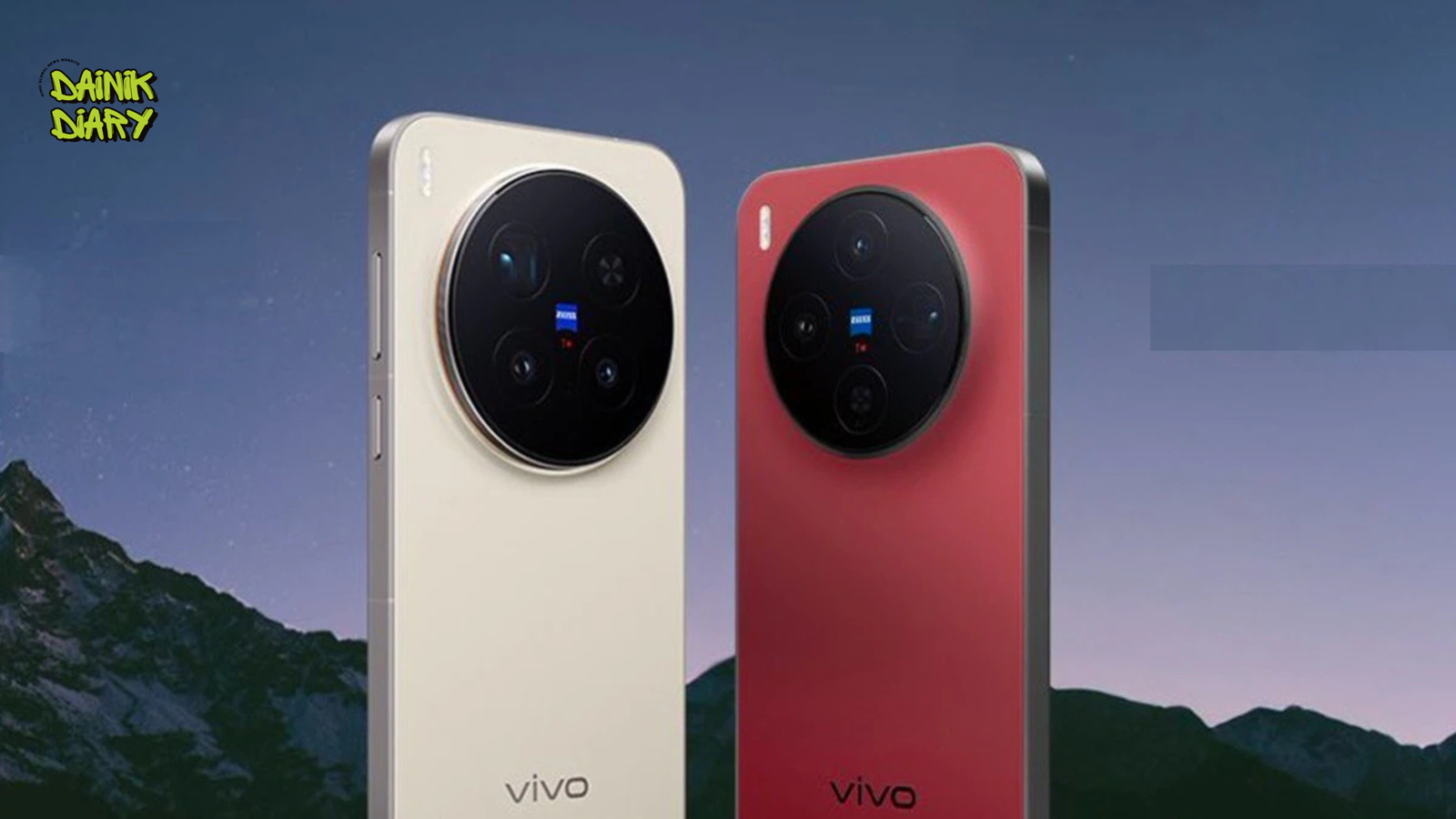
The premium smartphone market has never been more competitive, and while the Vivo X300 Pro has earned praise for its flagship specifications, it is far from the only compelling option available.
Featuring a stunning AMOLED display, the powerful MediaTek Dimensity 9500 chipset, premium cameras, and fast charging, the Vivo X300 Pro checks almost every box expected from a modern flagship. However, buyers spending top dollar often compare every feature before making a decision.
Whether your priority is photography, gaming, battery life, or software updates, several premium smartphones currently offer better value in specific areas. Here’s a closer look at five flagship alternatives worth considering.
1. Samsung Galaxy S26 Ultra: A Powerhouse for Performance and Photography
If you’re looking for an all-round flagship, the Samsung Galaxy S26 Ultra remains one of the strongest contenders.
The device boasts a massive 6.9-inch LTPO AMOLED display, protected by Corning Gorilla Glass Victus 2, and introduces Samsung’s new Privacy Display feature that helps keep on-screen content hidden from nearby viewers.
Powered by the Qualcomm Snapdragon 8 Elite Gen 5 processor, the Galaxy S26 Ultra delivers exceptional gaming performance and improved thermal efficiency over the Vivo X300 Pro.
Photography is another major highlight. The smartphone features a 200MP primary camera, accompanied by two telephoto lenses offering 3x and 5x optical zoom, along with a 50MP ultrawide camera.
While its 5,000mAh battery is smaller than Vivo’s offering, Samsung compensates with an outstanding software experience and extended Android update support.
Read More- Oppo Reno 16 5G Launches in India with Monster 6,700mAh Battery & Triple 50MP Cameras… Can It Shake Up the ₹60K Segment?
2. Google Pixel 10 Pro: The Smartest Android Experience
For users who value clean software and artificial intelligence features, the Google Pixel 10 Pro stands out.
Running Google’s pure version of Android, the Pixel avoids unnecessary pre-installed apps while offering exclusive AI-powered tools.
Its camera system includes a 50MP main sensor, a 48MP periscope telephoto lens with 5x optical zoom, and a 48MP ultrawide camera, complemented by a 42MP selfie camera.
Powered by the Google Tensor G5 processor, the device focuses less on benchmark scores and more on intelligent everyday features such as real-time voice translation, AI-assisted photography, and contextual suggestions.
Google also promises longer software support than many competing Android brands, making the Pixel 10 Pro an excellent long-term investment.
3. Xiaomi 17 Ultra: Built for Camera Enthusiasts
The Xiaomi 17 Ultra targets buyers who want flagship performance with cutting-edge camera hardware.
It pairs the Snapdragon 8 Elite Gen 5 chipset with a slightly larger AMOLED display and a versatile triple-camera setup.
The biggest attraction is its 200MP periscope telephoto camera featuring continuous optical zoom, alongside a 50MP primary sensor, 50MP ultrawide camera, and 50MP selfie camera.
Battery performance is equally impressive thanks to a 6,000mAh battery supporting 90W wired charging, 50W wireless charging, and reverse charging capabilities for accessories.

4. Oppo Find X9 Pro: Endurance Meets Premium Features
The Oppo Find X9 Pro shares many similarities with the Vivo X300 Pro, including its 6.78-inch LTPO AMOLED display and Dimensity 9500 processor.
Where Oppo takes the lead is battery life.
Its enormous 7,500mAh battery is among the largest available in a premium smartphone, supported by 80W wired charging, 50W wireless charging, and reverse wireless charging.
The camera setup remains flagship-grade, featuring a 50MP main sensor, 200MP periscope telephoto camera, and 50MP ultrawide lens, making it an attractive option for users seeking long-lasting performance without compromising imaging quality.
5. OnePlus 15: Flagship Performance at a Lower Price
Among the five alternatives, the OnePlus 15 offers perhaps the strongest value proposition.
Despite being priced below the Vivo X300 Pro, it features the more powerful Snapdragon 8 Elite Gen 5 chipset, a massive 7,300mAh battery, and ultra-fast 120W wired charging, alongside 50W wireless charging.
Its 6.78-inch LTPO AMOLED display also supports an impressive 165Hz refresh rate, making it especially appealing for gamers.
The camera system includes three 50MP sensors covering wide, telephoto, and ultrawide photography, while a 32MP front camera handles selfies and video calls.
Which One Should You Buy?
The Vivo X300 Pro remains a premium flagship with excellent hardware and balanced performance, but it isn’t the only strong choice in today’s market.
Buyers seeking the best gaming performance may lean towards Samsung Galaxy S26 Ultra or OnePlus 15. Photography enthusiasts could find Xiaomi 17 Ultra or Google Pixel 10 Pro more appealing, while users who prioritize battery life may appreciate what Oppo Find X9 Pro brings to the table.
Ultimately, the right smartphone depends on individual priorities rather than specifications alone. Comparing battery life, camera quality, software experience, and long-term support can help buyers make a smarter investment before spending on a flagship device.

