World News
Trump’s Iran Gamble: Victory or Costly Compromise? What Happened After the Missiles Stopped…
President Donald Trump entered the conflict promising to weaken Iran’s Islamic Republic, but as the dust settles, questions remain over whether the military campaign achieved its strategic goals or strengthened Tehran’s position.

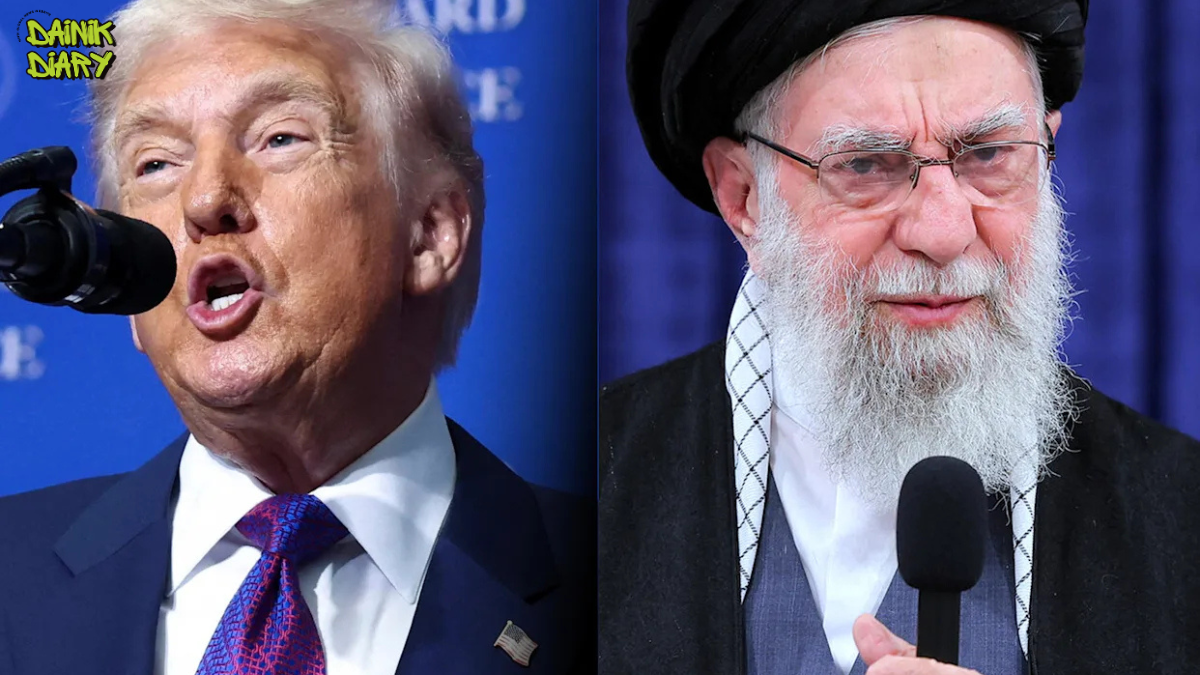
Washington, D.C.: When President Donald Trump ordered military action against Iran, the objective appeared clear: weaken the Islamic Republic, curb its regional influence, and force its leadership into a position of strategic weakness. Yet months after the conflict captured global attention, the final outcome remains far more complicated than many expected.
The military campaign was presented as a decisive move against one of America’s most persistent geopolitical rivals. Supporters argued that a strong show of force would diminish Iran’s military capabilities, disrupt its ambitions, and reshape the balance of power in the Middle East.
However, the end of hostilities tells a different story.
Despite the military pressure, there has been no dramatic political transformation inside Iran. The country’s ruling establishment remains firmly in control, and the anticipated collapse of the regime never materialized. Instead of a complete strategic victory for Washington, the conflict concluded with a fragile return to familiar political realities.
ALSO READ : ‘They Broke Open the Lock’: Political Storm Erupts After Police Raid Abhishek Banerjee’s Residence
Analysts point out that while the war inflicted costs on Tehran, it did not produce the sweeping changes that many advocates of military intervention had predicted. The Iranian leadership survived the crisis, maintained its grip on power, and continues to play a significant role in regional affairs.
Perhaps the most surprising development was the shift in tone from President Trump himself. Having entered the conflict with aggressive rhetoric and a determination to pressure Iran, he later appeared increasingly eager to bring the confrontation to an end. Diplomatic compromises and de-escalation efforts became central to the strategy, reflecting the growing desire to avoid a prolonged conflict.
Critics argue that this outcome raises important questions about the effectiveness of military action as a tool for achieving long-term political goals. While military operations can weaken infrastructure and capabilities, changing political systems and altering regional dynamics often prove far more difficult.
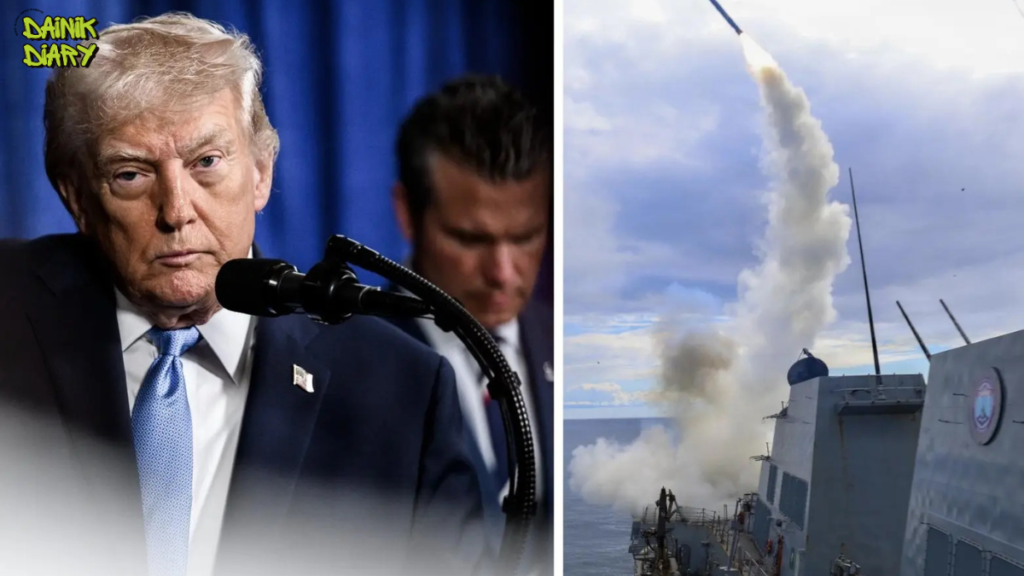
Supporters of the administration maintain that the campaign still delivered strategic benefits by demonstrating American military strength and limiting certain Iranian activities. Yet even among allies, there is debate over whether the final result justified the risks, costs, and uncertainty associated with the conflict.
The broader lesson may be that modern geopolitical conflicts rarely produce simple winners and losers. Instead, they often end with negotiated realities, partial achievements, and unresolved tensions that continue to shape international relations long after the fighting ends.
As Donald Trump moves forward with his foreign policy agenda, the Iran conflict is likely to remain a defining chapter of his presidency—one that supporters view as a demonstration of strength and critics see as a costly gamble that delivered fewer gains than promised.
For now, one question continues to dominate discussions in diplomatic circles and political forums alike: Was the war truly worth it?