India News
Nitin Gadkari Moves Bombay High Court Over Deepfake Posts on E20 Policy, Seeks Action Against Meta and Others
The Union Minister has challenged alleged defamatory social media posts linking him and his family to profits from the E20 ethanol programme, with the Bombay High Court allowing him to file a civil suit.

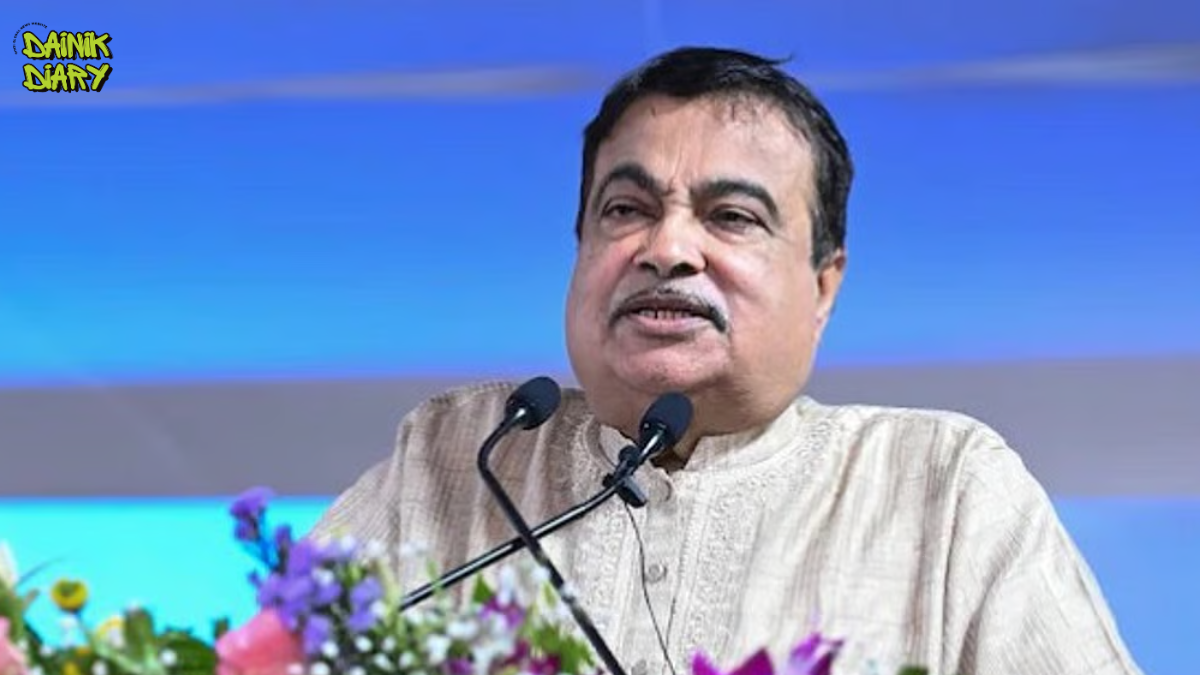
Union Minister Nitin Gadkari has approached the Bombay High Court over alleged defamatory social media posts and deepfake content that falsely link him and his family to financial gains from the government’s E20 ethanol blending programme.
In a significant legal development, the High Court has granted Gadkari permission to institute a civil suit against Meta, other social media platforms and unidentified individuals or entities alleged to have created, hosted or circulated the disputed content.
What Is the Case About?
According to the proposed civil suit, several online posts and manipulated deepfake materials claim that Gadkari and members of his family benefited financially from the E20 ethanol initiative.
The petition argues that these allegations are false and misleading, pointing out that the E20 ethanol blending policy is administered by the Ministry of Petroleum and Natural Gas, not the ministry headed by Gadkari.
The Union Minister has been one of the government’s strongest advocates of ethanol blending, promoting it as a cleaner and more sustainable alternative fuel aimed at reducing India’s dependence on imported crude oil and lowering vehicle emissions.
ALSO READ : ‘Exam system must be reliable and transparent’: PM Modi announces Nandan Nilekani-led task force after NEET row
Why Did Gadkari Seek the Court’s Permission?
Gadkari filed a leave petition under Clause XII of the Letters Patent, a legal provision that allows the Bombay High Court to hear civil matters even when part of the cause of action arises outside its territorial jurisdiction.
The case was heard by Justice Abhay Ahuja, while advocate Sandeep S. Ladda, appearing for Gadkari, argued that the disputed content was accessible to users in Mumbai and intended to be viewed there. At the same time, the material was also available across India through internet-based platforms, making permission under Clause XII necessary before filing the suit.
After considering the submissions, Justice Ahuja granted Gadkari leave to institute the civil proceedings.
Action Sought Against Social Media Platforms
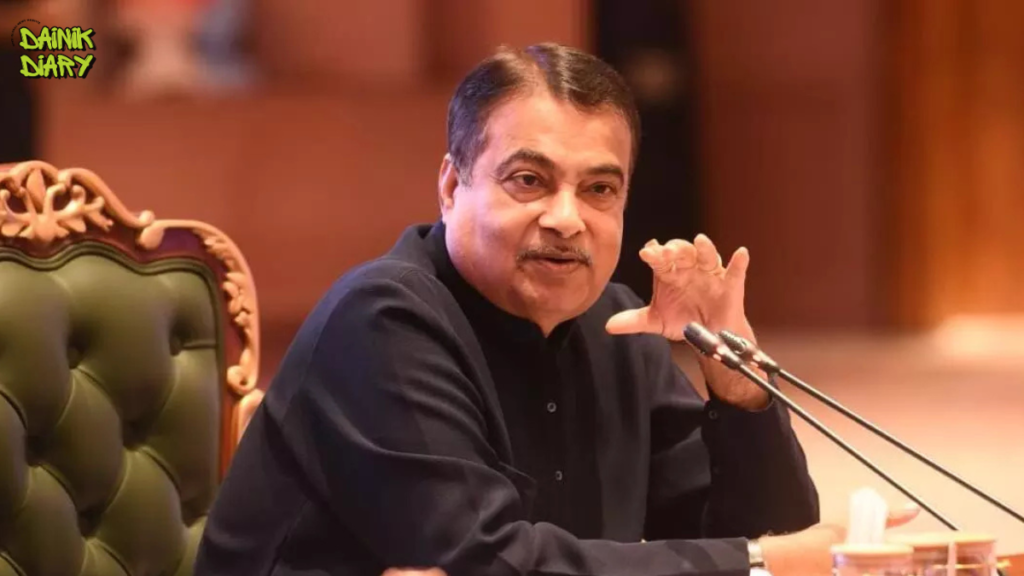
The proposed lawsuit names Meta, along with other social media platforms and unknown entities allegedly involved in publishing or amplifying the disputed content.
The legal action is expected to seek remedies against the circulation of the allegedly defamatory material, including deepfake content that Gadkari claims has harmed his reputation.
The case also reflects the growing legal scrutiny surrounding misinformation and AI-generated deepfakes, which have increasingly become a concern for public figures, governments and digital platforms in India.
As the matter proceeds before the Bombay High Court, further hearings are expected to determine the responsibilities of the platforms and individuals involved in the dissemination of the content.