
World News
China Stayed Silent While Iran Burned… But Did Xi Jinping Just Become the Biggest Winner of the War?
As the US and Israel targeted Iran, China avoided direct involvement — but emerged with stronger diplomatic leverage, energy security, and growing global influence.

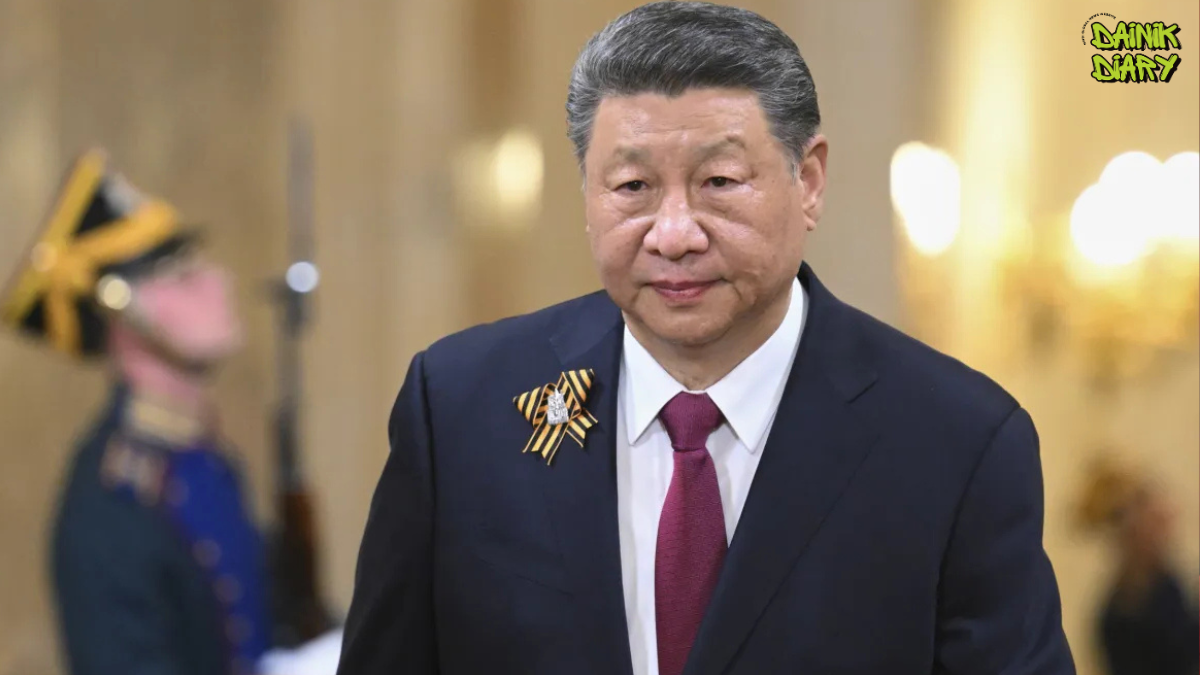
While the United States and Israel dominated headlines with military strikes on Iran, one major global power stayed noticeably on the sidelines — China. But as the dust begins to settle, many analysts believe Beijing may have quietly emerged as one of the biggest strategic winners of the conflict.
From the very start of the war, China openly criticised the attacks on Iran and strongly opposed the targeting of top Iranian leaders, including Supreme Leader Ayatollah Ali Khamenei. Instead of supporting military escalation, Beijing consistently called for dialogue, restraint, and diplomatic solutions.
This neutral but calculated position allowed President Xi Jinping to present China as a stabilising force at a time when the Middle East was spiralling into uncertainty.
As tensions escalated, China also supported mediation efforts led by Pakistan and encouraged direct negotiations between Washington and Tehran. When the first round of talks between the United States and Iran concluded in Switzerland, Beijing’s diplomatic approach appeared to gain validation.
Iranian Foreign Minister Abbas Araghchi publicly thanked China for its support, reinforcing Beijing’s growing image as a key diplomatic player.
For China, the war created a valuable narrative opportunity.
While Washington and its allies were seen as deeply involved in military operations, Beijing positioned itself as the voice of peace. This contrast could strengthen China’s standing among developing nations and in regions increasingly sceptical of Western intervention.
Political analysts believe this may help China expand its global influence without firing a single shot.
Henry Wang, President of the Center for China and Globalisation, argued that the US-Israel military actions have weakened long-standing international norms and created fresh questions about American leadership.
Even US President Donald Trump acknowledged China’s neutral role.
At a G7 summit, Trump publicly thanked Xi Jinping, saying the Chinese leader remained “totally neutral” and may have helped reduce tensions behind the scenes.
ALSO READ : Trump Warns Iran ‘We Will Hit Very Hard Tonight’: Why Kharg Island Has Suddenly Become The Center Of A Dangerous New Standoff
But China’s gains were not just diplomatic.
Many experts expected Beijing to suffer heavily because it imports nearly 40% of its oil and about one-third of its natural gas from the Middle East. A conflict involving Iran and the Strait of Hormuz could have created a major energy crisis for China.
Yet Beijing appeared prepared.
Reports suggest China had built emergency reserves of nearly 1.2 billion barrels of oil, reducing its immediate vulnerability. Over the years, China has also diversified supply routes and expanded renewable energy infrastructure, including electric vehicles, solar power, and battery storage.
This strategy paid off.
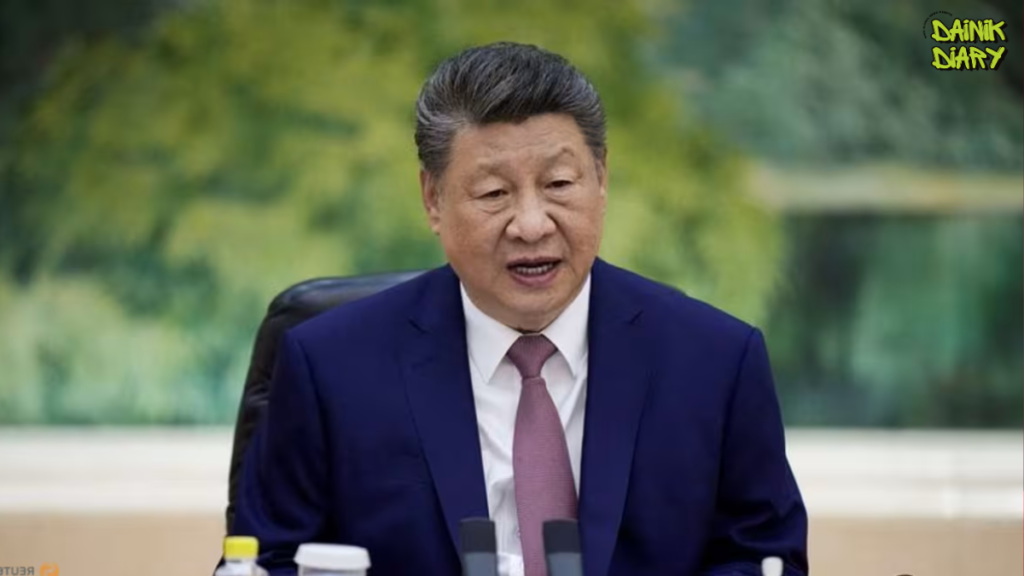
As global oil markets became unstable and some countries struggled with supply disruptions, Chinese companies reportedly increased exports of diesel and jet fuel, turning the crisis into an economic opportunity.
The conflict has also raised bigger geopolitical questions.
The months-long war exposed the limits of American military power in securing a decisive outcome against Iran. For Beijing, this could offer strategic lessons, especially as tensions with the US continue over Taiwan.
If Washington struggled in the Middle East, analysts argue, China may now be assessing how the US would respond to a larger conflict much closer to Chinese territory.
For now, with US-Iran peace talks back on track and a 60-day negotiation timeline agreed upon in Switzerland, the immediate danger may be fading.
But one thing is clear — while others fought on the battlefield, China may have quietly strengthened its hand in the global power game.




Pingback: Who Is Ana Lucía Pineda? The Woman Behind Colombia’s President-Elect Abelardo De La Espriella… And The Bomb Threat That Tested Their Love - Dainik Diary - Authentic News