Entertainment
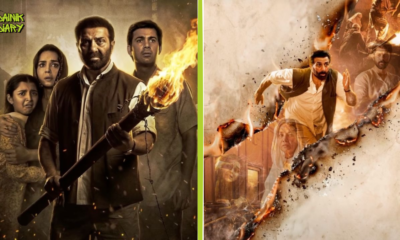
Ameesha Patel Says Gadar Films Drew More Footfalls Than Ranveer Singh’s Dhurandhar Franchise
As Gadar: Ek Prem Katha completes 25 years, actress Ameesha Patel reflects on the film’s historic success and claims the Gadar franchise recorded bigger cinema footfalls than the Dhurandhar films.


Actress Ameesha Patel has opened up about the massive legacy of the Gadar franchise, claiming that Gadar: Ek Prem Katha and Gadar 2 together attracted more cinema footfalls than Ranveer Singh’s Dhurandhar films.
In an exclusive conversation with NDTV ahead of the 25th anniversary of Gadar: Ek Prem Katha, Ameesha reflected on the enduring popularity of the franchise and its emotional connection with audiences across generations.
“We’ve come on this journey 25 years later, and we’re still iconic,” Ameesha said while speaking about the film’s cultural impact.
The actress further highlighted the box office performance of both Gadar films and stressed that audience footfalls remain one of the strongest indicators of cinematic success.
“We had a part two that created a tsunami at the box office and became iconic. And combined, Gadar 1 and Gadar 2 have the biggest footfalls, more than even Dhurandhar 1 and 2,” she stated.
Clarifying her statement, Ameesha explained that she was specifically referring to the number of people who physically visited theatres to watch the films.
“Just purely on footfalls — that means the number of people who have actually entered cinema houses to watch both films — is so heartening. To feel that I am part of cinematic history, to be privileged, to be blessed,” she added.
Gadar Turns 25
Directed by Anil Sharma, Gadar: Ek Prem Katha starring Sunny Deol and Ameesha Patel was released in 2001 and went on to become one of the biggest blockbusters in Indian cinema history.
The film completes 25 years on June 15, 2026, and continues to enjoy cult status among audiences.
Set during the backdrop of the 1947 Partition, the story follows Tara Singh, a Sikh truck driver played by Sunny Deol, who falls in love with Sakina, a Muslim woman portrayed by Ameesha Patel, amid communal violence and political chaos.
The emotional drama, patriotic themes, and powerful performances helped the film connect deeply with audiences, especially in single-screen theatres across India.
‘We Didn’t Realise How Huge It Had Become’
Ameesha Patel also recalled how overwhelming the film’s success was during its original release.
ALSO READ : Ameesha Patel Makes Bold ‘Gadar vs Dhurandhar’ Claim: ‘More People Watched Tara Singh’s Story Than…’
“It became the biggest hit on the first day of release itself because it got 100% opening all over India, especially in single screens. They just lapped it up,” she said.
The actress added that actors during that era often juggled multiple projects simultaneously, leaving little time to fully process the scale of a blockbuster’s success.
“It was such a hectic time because in those days, actors used to do five films at a time in a year,” she shared.
“So I was juggling between set to set of other films. And I didn’t even have time to digest what a humongous, monstrous hit it had become,” Ameesha added.

Gadar 2 Revived the Franchise
More than two decades later, the franchise returned with Gadar 2 in 2023, which once again became a huge commercial success.
This time, the story revolved around Tara Singh returning to Pakistan to rescue his grown-up son Jeete, continuing the emotional legacy of the original film.
The sequel’s success introduced the Gadar franchise to a younger generation while reigniting nostalgia among longtime fans.
Meanwhile, Ameesha Patel’s latest comments comparing the franchise’s footfalls with the Dhurandhar series have sparked fresh conversations online about box office records, audience reach, and the changing landscape of Indian cinema.