World News
Trump’s Iran war gamble hits home: Support falls to 31% as Americans fear conflict has no quick end
Six months into the US-Iran war, a new Reuters/Ipsos poll shows declining public backing for military action and Donald Trump’s approval rating stuck at a record low, as expensive gasoline and fears of a prolonged conflict weigh on Americans.


Six months into the United States’ war with Iran, the political cost for President Donald Trump appears to be growing. A new nationwide poll shows support for the military campaign falling to its lowest level since the early phase of the conflict, while Trump’s own job approval remains at the weakest point recorded by Reuters/Ipsos across his two presidencies.
The numbers present a difficult picture for the White House at a time when the administration is trying to convince Americans that the conflict remains necessary for national security.
According to the four-day Reuters/Ipsos survey, only 31% of Americans now support US military action against Iran. That is down from 34% earlier in August and 37% in March, indicating that public enthusiasm for the campaign has steadily weakened as the war has dragged on.
Even Republican support for the Iran war is slipping
Perhaps more worrying for Trump is the movement within his own political base.
The survey found that 69% of Republican respondents continue to support military action against Iran, compared with 77% in March. While a clear majority of Republicans still back the conflict, the eight-point decline suggests that war fatigue is no longer limited to Trump’s political opponents.
The latest poll surveyed 1,215 US adults nationwide and carries a margin of error of around three percentage points in either direction.
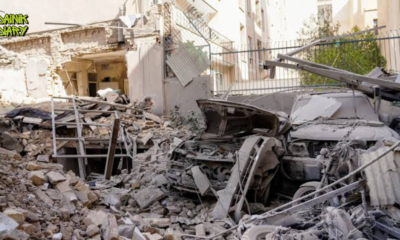
The conflict began with US-Israeli attacks on Iran on February 28, with Trump arguing that military action was necessary to stop Tehran from developing a nuclear weapon. Six months later, however, the lack of a clear conclusion is increasingly shaping how Americans view the war.
Trump’s approval remains at just 33%
The growing unease over the war comes as Trump’s overall approval rating remains under serious pressure.
Only 33% of respondents said they approved of Trump’s performance in the White House, according to the latest survey. It is the second consecutive Reuters/Ipsos poll in which his approval has stood at that level, the lowest recorded in the poll series during either his first or second presidential term.
That figure is particularly significant because Trump returned to the White House promising voters a presidency focused on economic stability while steering the country away from lengthy overseas wars.
The Iran conflict is now testing both promises at once.
83% of Americans fear the war will drag on
One of the most striking findings is how few Americans apparently expect a quick resolution.
Around 83% of respondents said they believe the war will continue “for an extended period of time.” Earlier this month, that figure stood at 80%.
That growing pessimism comes despite the intensity of direct military exchanges having eased compared with earlier stages of the conflict.
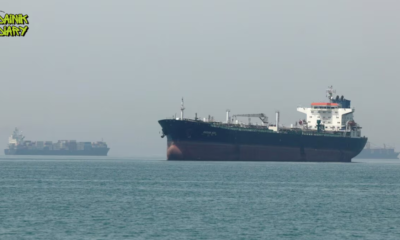
The dispute, however, remains unresolved, and disruption to regional oil exports has created economic consequences far beyond the battlefield.
For ordinary Americans, those consequences are increasingly visible at the gas pump.
Gasoline prices add to Trump’s political headache
The continuing disruption around regional oil exports has helped drive US gasoline prices close to record levels. Reuters reported that prices are now more than $1 per gallon higher than they were before the Iran war began.
That creates an uncomfortable political contradiction for the president.
During his 2024 election campaign, Trump repeatedly emphasised controlling inflation and avoiding prolonged military conflicts. Now, six months into the war, rising fuel costs and fears of an extended confrontation are threatening to become major domestic political liabilities.
The pressure could become even more consequential with the November 3 midterm elections approaching and Republicans preparing to defend narrow congressional majorities.
ALSO READ : Trump Warns Iran ‘We Will Hit Very Hard Tonight’: Why Kharg Island Has Suddenly Become The Center Of A Dangerous New Standoff
Independent voters show another warning sign
The poll also contains a warning for Republicans beyond Trump’s personal approval numbers.
When independent voters were asked which party they would support in congressional elections if voting took place now, 33% backed Democrats compared with 19% for Republicans, according to Reuters.
Independent voters can prove decisive in closely contested races, meaning prolonged dissatisfaction over the war and household costs could become increasingly important as campaigning intensifies.
White House turns towards greater economic pressure on Iran

Even as public support weakens, the Trump administration is showing little indication that it intends to abandon pressure on Tehran.
The administration has warned countries doing business with Iran about the possibility of broader secondary sanctions. US Treasury Secretary Scott Bessent has signalled that Washington could expand economic measures as it searches for ways to pressure Tehran without immediately returning to a more intense phase of direct military confrontation.
For Trump, however, the challenge is increasingly domestic as well as international.
The president entered office pledging to keep prices under control and avoid the kind of lengthy foreign conflicts that have historically tested American patience. Six months into the Iran war, the latest polling suggests more voters are beginning to question whether those promises can still be delivered.
With support for the military campaign down to 31%, Trump’s job approval stuck at 33%, and more than eight in ten Americans expecting a prolonged conflict, the political question surrounding the war is becoming harder for the White House to ignore: how long will Americans continue to accept its cost without seeing a clear end?