cricket
India’s Injury Crisis Deepens: Shubman Gill’s Sharp Remarks Raise Big Questions Over BCCI’s Fitness System…
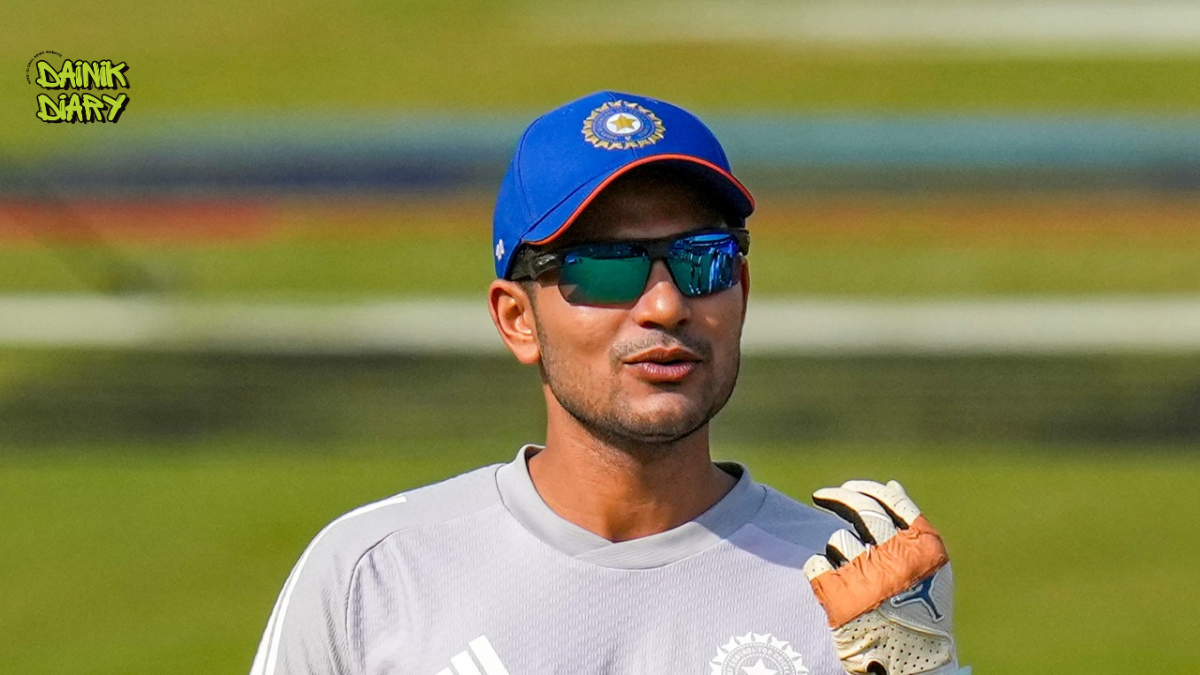
Recurring injuries to India’s top cricketers have sparked fresh concerns as captain Shubman Gill’s comments shine a spotlight on communication gaps between the BCCI’s Centre of Excellence and the national team management.

India’s Growing Injury Woes Put BCCI’s Fitness Framework Under Pressure
India’s injury troubles have once again become a major talking point, with concerns extending beyond player fitness and into the functioning of the BCCI’s Centre of Excellence (CoE). What initially appeared to be a string of unfortunate setbacks has now evolved into a larger debate about workload management, rehabilitation standards, and communication between the medical staff and team management.
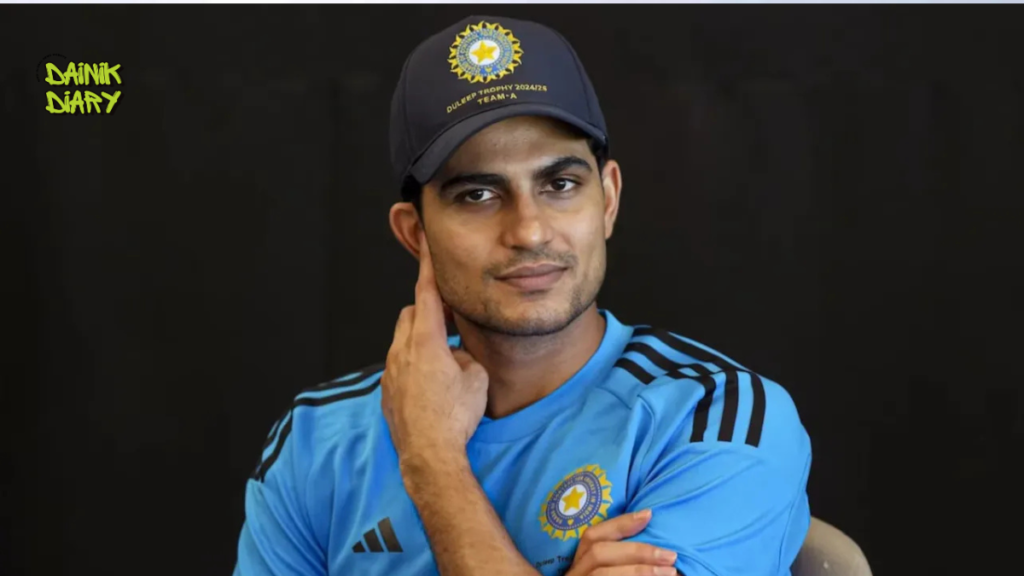
The discussion gathered momentum after India captain Shubman Gill openly expressed his disappointment over the increasing number of injuries during India’s ODI series against England. Gill himself had to manage a hamstring issue during the series despite producing important performances with the bat, making his remarks even more significant.
According to reports citing BCCI insiders, there appears to be a disconnect between the Centre of Excellence and the Indian team management, particularly regarding players’ fitness status before they are cleared for international matches. Officials reportedly believe that several players may have returned to competitive cricket before achieving complete match fitness.
Questions Over Existing Fitness Protocols
Sources familiar with the matter suggest that while the BCCI has improved its data collection systems over the last few years, the actual decision-making process has not evolved at the same pace. Standard Operating Procedures introduced in 2023 reportedly remain unchanged, despite modern tracking methods providing more detailed fitness information.
This has raised concerns that valuable performance and medical data may not be translating into better workload management for players.
Several Injury Cases Under Scanner
The spotlight has also fallen on a number of recent injury cases involving key Indian cricketers.
Nitish Kumar Reddy, regarded as one of India’s promising all-rounders, has reportedly dealt with repeated injuries while attempting to increase his bowling pace. Cricket insiders believe such physical changes require careful planning and gradual progression, rather than rapid adjustments during international assignments.
Meanwhile, Harshit Rana‘s return after a knee injury has also attracted attention. Questions have reportedly been raised over whether he had fully regained his physical conditioning before being declared available for selection.
Fast bowler Akash Deep has emerged as another example of the growing concern. After recovering from a hamstring injury and returning to domestic cricket, he later suffered a stress fracture, prompting further scrutiny of rehabilitation and workload monitoring.
Players Seeking Alternative Rehabilitation
One of the more notable developments highlighted by reports is that several experienced Indian cricketers are increasingly choosing private rehabilitation facilities instead of relying entirely on the BCCI’s Centre of Excellence.
Read More- Rohit Sharma silences his critics at Lord’s, but India’s real ODI problem is hiding somewhere else…
The preference reportedly stems from a desire for more personalised medical attention, continuous communication, and a hands-on recovery process during periods away from international cricket.
This trend has added another layer to the ongoing discussion about whether the current system adequately supports players throughout the year rather than only during active tours.
Fitness Concerns Extend Beyond Fast Bowlers
The issue is not restricted to pace bowlers alone. Reports indicate that concerns have also been raised regarding the fitness management of players like Washington Sundar and Sanju Samson, suggesting that recurring injuries across different roles could point towards broader structural challenges.
Some experts believe that India’s recent dip in fielding standards may also be linked to recurring fitness issues, making it even more important for the cricket board to review its existing medical and conditioning framework.
A Critical Phase Ahead for Indian Cricket
With a packed international calendar approaching, maintaining player fitness will be just as important as tactical preparation. India’s management now faces the challenge of ensuring that talented players spend more time on the field than in rehabilitation centres.
Shubman Gill’s public comments have brought the issue into the spotlight, and many within Indian cricket believe this could become a turning point. Whether it leads to updated fitness protocols, stronger coordination between departments, or a complete overhaul of rehabilitation practices remains to be seen.
For now, India’s injury crisis has become one of the biggest challenges confronting the national team, and the coming months could determine how effectively the system responds.