Automobile
Hyundai Bayon Teased Again Ahead of India Launch… AI Voice Assistant, Level-2 ADAS and CNG Could Be Its Big Weapons
The upcoming Hyundai Bayon has been teased once again ahead of its expected October 2026 India launch, revealing a bolder SUV design and a technology-heavy cabin. From a generative AI voice assistant to expected Level-2 ADAS and a possible factory-fitted CNG option, Hyundai appears to have plenty planned for its new compact SUV.

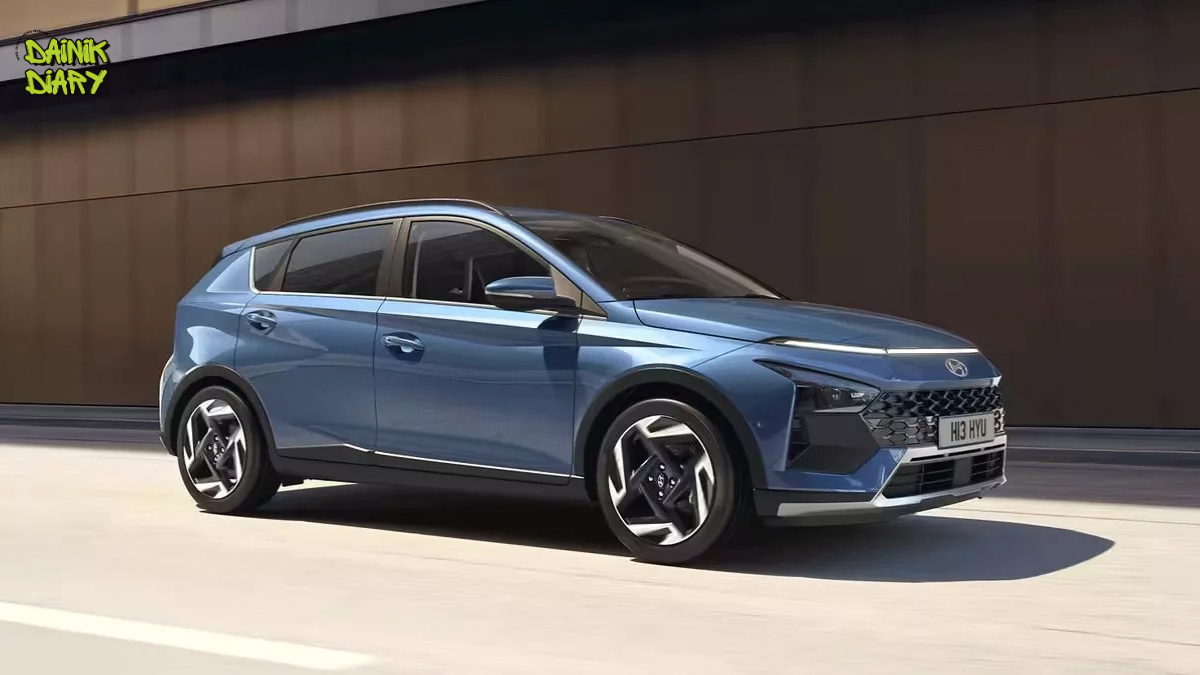
Hyundai is building anticipation around its upcoming Bayon in India, with another teaser offering a closer glimpse at what buyers can expect from the new SUV.
Bookings have reportedly opened through Hyundai dealerships, while the official launch is expected to take place in October 2026. Although the carmaker is yet to disclose the complete variant-wise specifications and pricing, the latest details suggest that technology could be one of the Bayon’s biggest selling points.
And Hyundai isn’t relying on screens and connected features alone. The upcoming SUV is also expected to combine a fresh design, Level-2 ADAS, a naturally aspirated petrol engine and, potentially, an interesting CNG setup.
Hyundai Bayon gets a bolder SUV look
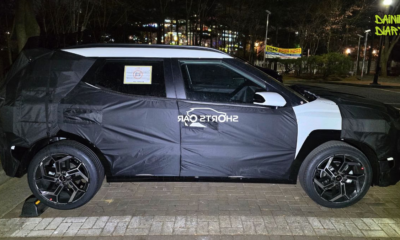
The upcoming Bayon appears to adopt a noticeably more muscular design.
At the front, a prominent bonnet adds visual bulk, while Hyundai’s distinctive H-shaped LED daytime running lights give the SUV a recognisable face.
Interestingly, the Bayon does not appear to follow the full-width LED light-bar trend seen on several newer SUVs. Instead, Hyundai seems to have opted for a more conventional lighting arrangement.
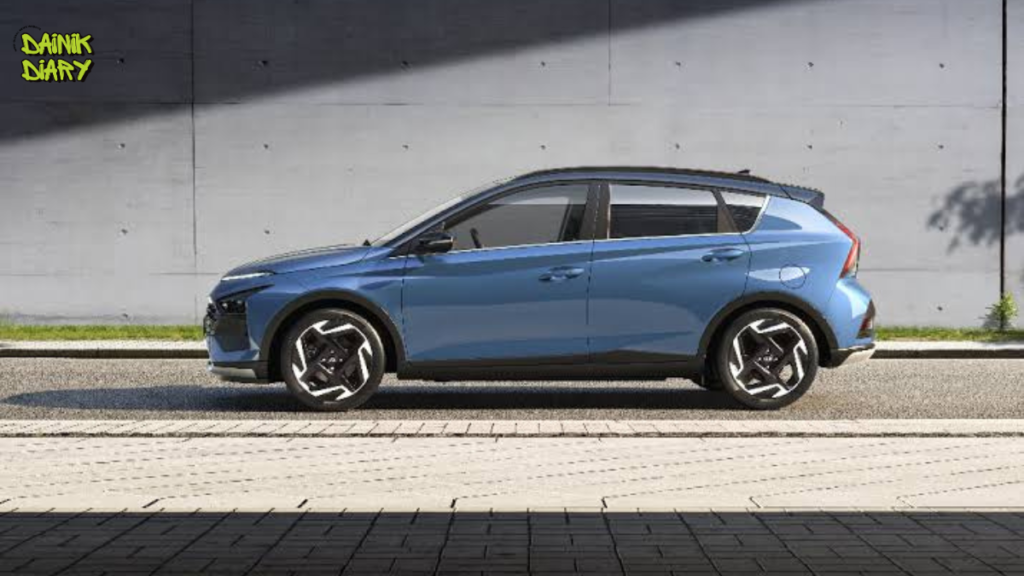
Move around to the sides and the SUV’s rugged character becomes clearer. Expected highlights include 16-inch dual-tone alloy wheels, substantial body cladding and roof rails.
Together, these elements should help give the Bayon the tougher road presence Indian compact-SUV buyers increasingly look for.
Inside, technology takes centre stage
The cabin could be where the Hyundai Bayon makes its strongest impression.
The upcoming SUV is expected to offer a long list of comfort and convenience features, including automatic climate control, a panoramic sunroof, ventilated front seats, electrically adjustable front seats, a 360-degree camera and connected-car technology.
However, one feature in particular could attract plenty of attention: a built-in generative AI voice assistant.
Hyundai is positioning the Bayon as an “intelligent utility vehicle”, with the voice assistant expected to allow occupants to control or access various functions through spoken commands.
The final capabilities of the system should become clearer once Hyundai reveals the complete India-spec equipment list.
Level-2 ADAS expected on higher variants
Safety is also expected to be an important part of the Bayon’s package.
The SUV could receive six airbags as standard, while higher variants are expected to offer Level-2 Advanced Driver Assistance Systems (ADAS).
Depending on the final India-spec configuration, the ADAS suite could include functions related to lane-keeping assistance, collision avoidance, adaptive cruise control and driver alerts.
ALSO READ : Why Budget SUV Buyers Are Suddenly Talking About the Nissan Gravite and Its Clever 7-Seater Secret
The Bayon is based on Hyundai’s K Enhanced Platform. However, an official Indian crash-test rating should not be assumed until the vehicle undergoes the relevant testing and the results are formally announced.
1.5-litre petrol engine likely
Under the bonnet, the Hyundai Bayon is expected to use a 1.5-litre naturally aspirated petrol engine.
The powertrain could be offered with both a manual transmission and an IVT automatic gearbox, giving customers the choice of a conventional manual setup or the convenience of an automatic.
Final power and torque figures, along with fuel-efficiency numbers, are expected to be revealed closer to launch.
But the CNG version could be the surprise
One of the most intriguing possibilities surrounding the Bayon is a factory-fitted CNG powertrain.
If Hyundai introduces the configuration as expected, the Bayon could become the company’s first sub-4-metre SUV in India with a factory-fitted CNG option.
There is another detail that could make this setup especially interesting for family buyers.
The CNG tank is reportedly being positioned underneath the vehicle, rather than occupying a large portion of the luggage compartment. If confirmed in the production model, this approach could help preserve more usable boot space traditionally one of the compromises associated with CNG cars.
October launch could reveal the final piece: price
With bookings reportedly underway, attention now turns to the October 2026 launch, when Hyundai is expected to reveal pricing, detailed specifications, variants and the final feature distribution.
India’s compact-SUV segment is already fiercely competitive, so the Bayon will need more than just a familiar badge to stand out.
The combination of AI-powered voice functions, Level-2 ADAS, ventilated seats, a panoramic sunroof, a 360-degree camera and a possible CNG powertrain suggests Hyundai is preparing a feature-rich proposition.
The biggest mystery now is the price.
If Hyundai can package these features competitively, the Bayon could arrive as an interesting new challenger in one of India’s most hotly contested automotive segments.