World News
‘Coordinated Attack Campaign’? Iranian Hackers Allegedly Tracked US Personnel Through Telecom Loopholes Before Conflict Escalated
Researchers claim outdated telecommunications systems in the Middle East were exploited to identify the locations of US military personnel and contractors ahead of the Iran-US conflict, raising fresh cybersecurity concerns.

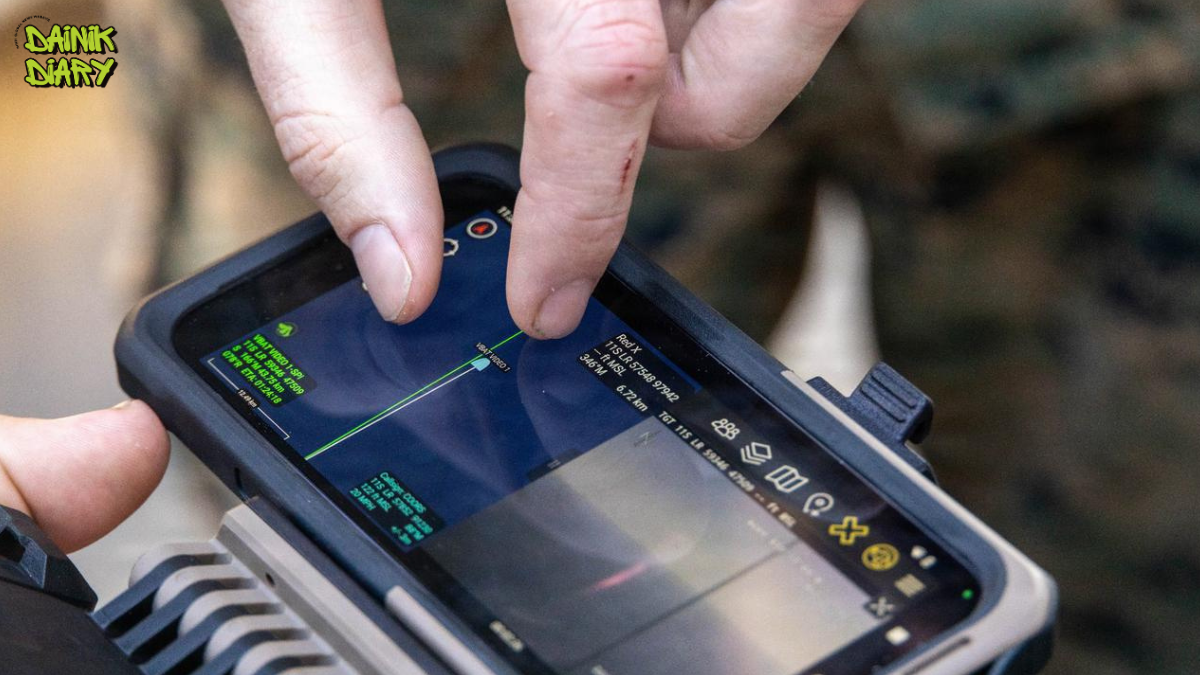
A new cybersecurity report has raised serious concerns over the vulnerability of telecommunications infrastructure in the Middle East, with researchers alleging that Iranian hackers exploited outdated mobile network systems to track the locations of US military personnel and contractors before the recent regional conflict intensified.
According to findings by the Mobile Surveillance Monitor, a research initiative focused on mobile espionage, telecom networks across several Middle Eastern countries experienced a surge in suspicious location requests targeting mobile phones connected to foreign networks.
The activity reportedly involved the use of SS7 (Signalling System No. 7)—a decades-old telecommunications protocol that helps mobile operators exchange information globally. Security experts have long warned that weaknesses in the SS7 system can be exploited to determine a phone’s location, confirm whether it is active, or identify whether it is roaming outside its home network.
ALSO READ : ‘Will Hit Iran Again, Only Harder’: Trump’s Stark Warning During Peace Talks… What Message Is Washington Sending?
Gary Miller, founder of the nonprofit research initiative, described the pattern as evidence of a “coordinated attack campaign.” Speaking to international media, he said the scale and timing of the requests suggested a well-organised effort rather than isolated cyber incidents.
The alleged cyber campaign reportedly unfolded in the weeks leading up to the military confrontation involving the United States, Israel, and Iran. During the early stages of the conflict, Iran launched missile and drone attacks targeting American military facilities across the region following military operations involving the US and Israel.
Researchers believe the cyber activity may have been intended to gather intelligence on the movement of American personnel stationed in the Gulf. Tens of thousands of US troops are deployed across strategic locations in the Middle East, including Bahrain, where telecommunications networks reportedly received an unusually high number of SS7 location requests.
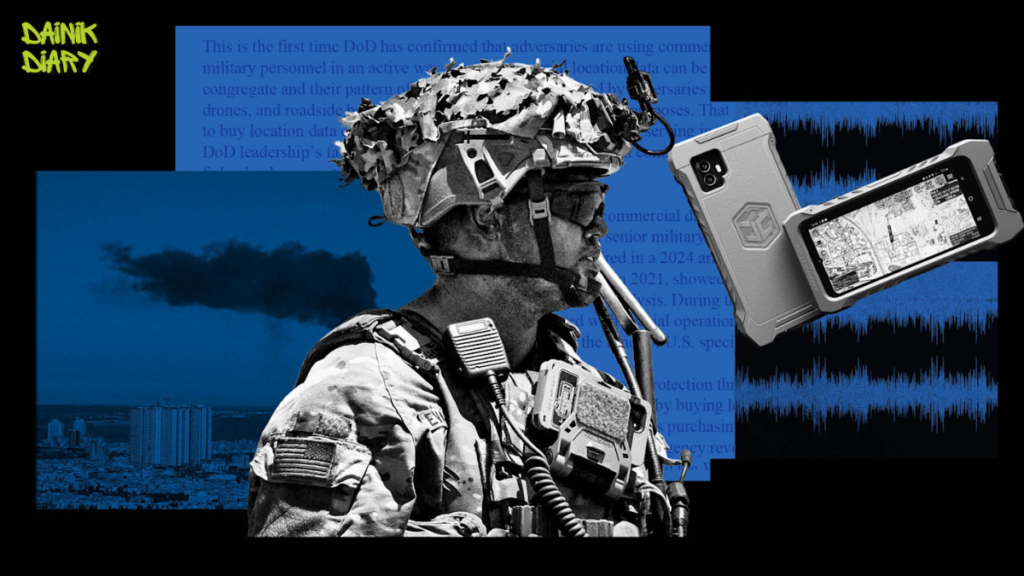
Unlike conventional cyberattacks aimed at stealing data or disrupting computer systems, SS7-based surveillance works quietly in the background. These requests leave no visible indication on the targeted device, making them difficult for users to detect while allowing attackers to monitor a phone’s approximate location.
Cybersecurity experts have repeatedly warned that despite years of known security flaws, parts of the global telecommunications infrastructure continue to rely on ageing technology that remains vulnerable to exploitation. The latest findings have renewed calls for telecom operators to strengthen network security and adopt more modern protocols.
Although the allegations have attracted significant attention, there has been no official confirmation from the US government regarding the extent of the reported surveillance campaign or its direct impact on military operations.
The report highlights how modern conflicts are increasingly being fought on digital battlefields as much as physical ones. From cyber espionage to electronic surveillance, nations are investing heavily in technologies capable of gathering intelligence without crossing traditional military frontlines.
As geopolitical tensions continue to evolve, experts believe strengthening digital infrastructure will be just as important as reinforcing military preparedness in protecting national security.