
Tour & Travel
Air India’s ‘Basic’ Fare Explained: No Free Meals, Lower Price — Is It Really Worth It for Domestic Flyers?
Air India rolls out a new unbundled economy ticket option with baggage included but meals excluded, aiming to give passengers more control over pricing and travel choices.

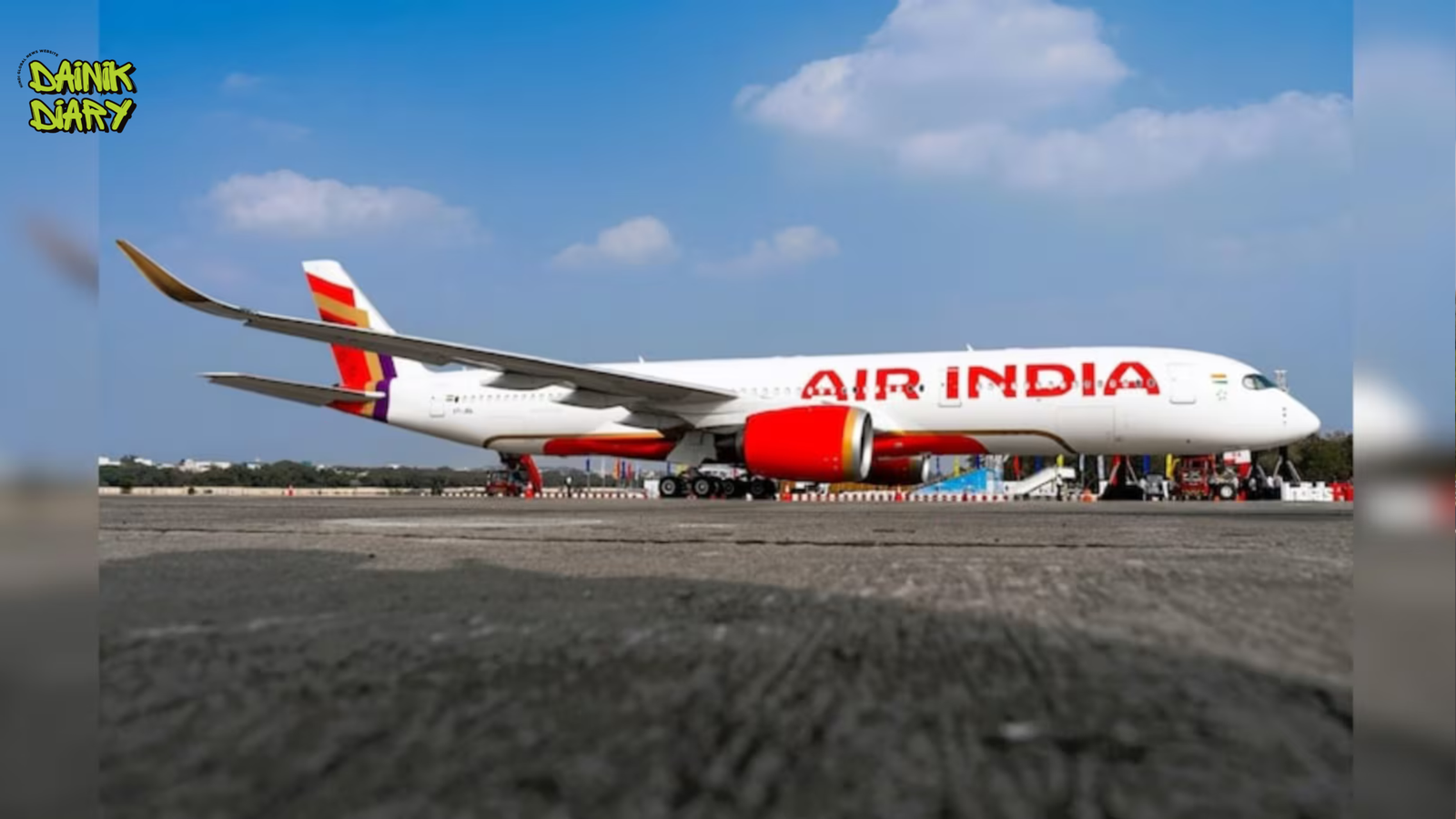
New Delhi: In a move that could reshape how Indians book domestic flights, Air India has introduced a new “Basic” fare category, offering travellers a cheaper way to fly—but with fewer in-flight inclusions.
The Tata Group-owned airline says the new fare is part of its broader effort to simplify ticket options and give passengers more flexibility in choosing what they pay for.
The “Basic” fare sits below Air India’s existing fare families—Value, Classic, and Flex—which were introduced in 2024 as part of its ongoing transformation strategy.
What Exactly Is Air India’s ‘Basic’ Fare?
The newly launched fare is currently being tested on select domestic routes and is aimed at budget-conscious travellers who prefer a no-frills flying experience.
Here’s what the Basic fare includes:
- 15 kg checked baggage allowance
- 7 kg cabin baggage allowance
- Complimentary tea/coffee onboard
- No complimentary meals included
Unlike higher fare categories, passengers opting for this ticket will need to pre-purchase meals separately, if required.
Meals Not Included — But Options Exist
While the fare excludes free meals, passengers are not completely left without options. Air India allows travellers to pre-book meals up to 24 hours before departure, offering choices such as:
- Vegetarian
- Non-vegetarian
- Jain meals
- Diabetic-friendly meals
In case of flight rescheduling, pre-booked meals will be automatically transferred or refunded if not available.
Why Air India Introduced This Fare
According to the airline, the new structure reflects a “pro-consumer approach” designed to match different travel preferences.
By unbundling services, Air India aims to:
- Reduce base ticket prices
- Allow passengers to pay only for what they use
- Retain premium bundled options for full-service travellers
This strategy mirrors global aviation trends, where airlines increasingly separate fares from onboard services to create more pricing tiers.
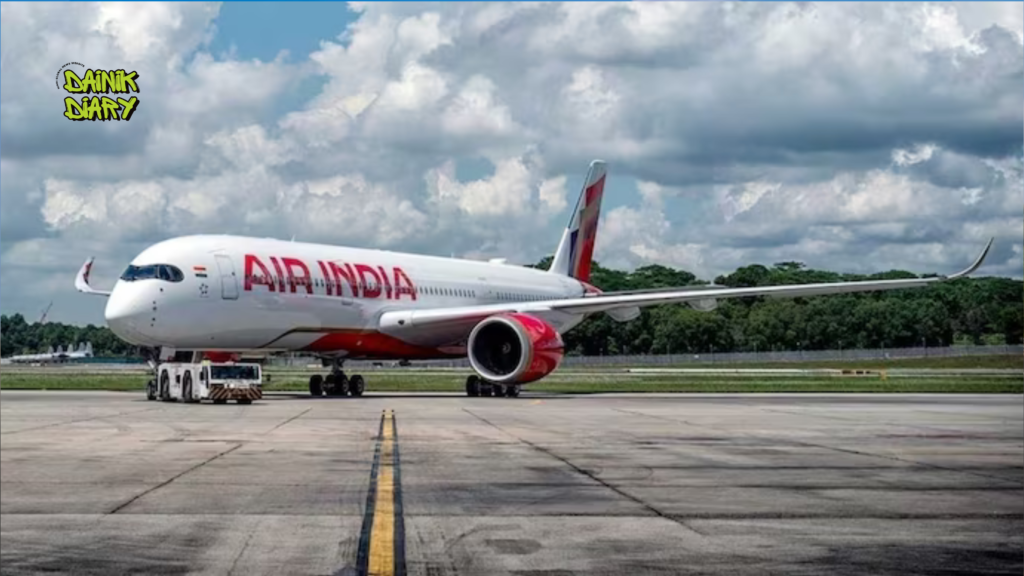
Pilot Phase on Select Routes
For now, the Basic fare is being rolled out on a pilot basis across selected domestic routes. The airline will closely monitor passenger response before deciding on a wider rollout.
Currently, bookings are available only through Air India’s official channels, including:
- Website
- Mobile app
- Contact centres
- Airport ticketing counters
A Shift in How India Flies
The introduction of this fare marks another step in Air India’s ongoing transformation journey under Tata Group ownership, as the airline continues to rebuild its brand and compete in India’s highly price-sensitive aviation market.
While the idea of cheaper tickets may appeal to many travellers, the real question is whether Indian passengers are ready to give up complimentary meals for lower fares—or whether bundled comfort still wins.
Either way, Air India’s new “Basic” fare has officially added a new layer to how India will fly in the coming years.








Pingback: First Class Returns With A Bang: Air India Unveils Massive Upgrade On Delhi–Melbourne Route… - Dainik Diary - Authentic News