
Tech
Samsung Galaxy Z Fold 8 First Impressions: The Foldable Finally Feels Practical… But Is This the One We’ve Been Waiting For?
Samsung takes a bold turn with the Galaxy Z Fold 8, ditching the familiar tall-and-narrow approach for a wider notebook-style design. After three days of use, the new foldable feels more practical, lighter and better suited to everyday life—but a few questions remain.


For years, Samsung has been steadily refining its book-style foldable smartphones. Each generation brought improvements to the hinge, displays, cameras and overall thickness, but the basic philosophy remained largely unchanged: a narrow cover screen that opened into a taller tablet-like display.
With the Samsung Galaxy Z Fold 8, however, the company appears to be taking a different route.
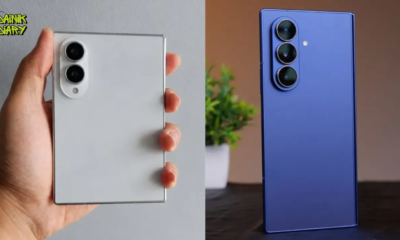
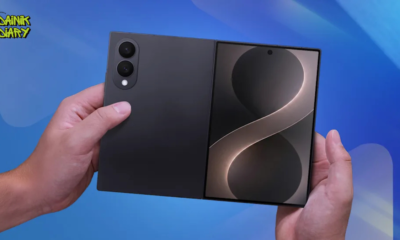
Instead of continuing with the familiar tall-and-narrow design, Samsung has introduced a wider, notebook-style form factor that changes how the phone feels in everyday use.
And after spending more than three days with the Galaxy Z Fold 8, the biggest takeaway is surprisingly simple: this design finally feels like it makes sense.
The wider body makes both displays more useful, while the lighter construction makes the device considerably easier to carry around. It feels less like a compromise between a phone and a tablet and more like a single device that can genuinely switch between the two depending on what you’re doing.
Of course, this is only an initial impression. More extensive testing is still needed to judge the camera, battery endurance, gaming performance and long-term durability.
But the early signs are certainly interesting.
A New Design That Changes the Foldable Experience
The Galaxy Z Fold 8 introduces a new display ratio that immediately separates it from previous generations.
The cover display reportedly uses a 10:16 aspect ratio, while the larger inner screen adopts a 4:3 ratio.
On paper, those numbers may not sound revolutionary. In practice, however, the difference is noticeable.
The wider design makes the cover screen feel more natural for everyday tasks. Messaging, social media scrolling and quick interactions feel less cramped compared with the taller foldable designs of the past.
Once unfolded, the larger screen becomes a more comfortable space for reading, watching videos and multitasking.
During initial use, the cover screen proved particularly convenient for quick daily activities, while the inner display was better suited for content consumption, news reading and multitasking.
Read More- Xiaomi, Redmi Phones Get Costlier in India? Xiaomi 17T Price Jumps by ₹5,000 as Redmi Note 15, Redmi 15 Series Also See Hike
It is a small but important change in philosophy.
Instead of forcing users to constantly choose between a narrow phone screen and a large unfolded display, the Galaxy Z Fold 8 makes both sides feel more practical.
At Just 201 Grams, the Weight Could Be a Major Advantage
Foldable smartphones have traditionally had one obvious disadvantage: they’re heavy.
That appears to be changing.
Samsung claims the Galaxy Z Fold 8 weighs just 201 grams, making it the company’s lightest foldable yet—and potentially one of the most comfortable book-style foldables to carry.
The weight reduction is noticeable in everyday use.
The device doesn’t feel excessively bulky when held for longer periods, which is important because foldables are often used differently from conventional smartphones. Users may hold them open while reading, browsing or watching content for extended periods.
A lighter design could make a surprisingly big difference to the overall experience.
The wider shape also helps distribute the device differently in the hand, making it feel more balanced than some of the taller foldables Samsung has offered in the past.
Flex Titanium Display: Thinner, Lighter and Less Crease?
One of the key technologies behind the new design is Samsung’s Flex Titanium display.
The company says the new display technology helps make the Galaxy Z Fold 8 slimmer, lighter and more efficient. It is also expected to reduce the visibility of the crease running across the folding section of the inner screen.
However, buyers should not expect the crease to disappear completely.
It remains visible under certain lighting conditions, and there is always the possibility that it could become more noticeable with extended use.

That said, the overall display experience is still impressive.
Both screens feature 120Hz Dynamic AMOLED 2X panels, while Samsung claims brightness levels can reach up to 3,000 nits.
The foldable also benefits from an anti-reflective coating and Vision Booster technology, which together help produce a bright and vibrant viewing experience.
In everyday use, both displays looked crisp, smooth and colourful.
The cover screen was the natural choice for quick interactions, while the larger display was where the Galaxy Z Fold 8 really came into its own.
Whether reading long articles, browsing multiple apps or watching content, the bigger screen offered a more immersive experience.
The Camera Setup Is Simpler Than the Ultra
Unlike the Galaxy Z Fold 8 Ultra, the standard Galaxy Z Fold 8 reportedly features a dual-camera system.
The setup includes a 50-megapixel primary wide camera and a 50-megapixel ultrawide camera.
Initial daylight testing produced the kind of results one would expect from a premium Samsung smartphone.
Images appeared bright and vibrant, while colours were generally accurate.
However, the camera review is far from complete.
More testing is required across ultrawide photography, night photography, portraits and challenging lighting conditions before a final verdict can be reached.
For now, the early camera performance looks promising, but the real test will come when the phone is pushed beyond comfortable daylight conditions.
Snapdragon 8 Elite Gen 5 Powers the Foldable
Under the hood, the Galaxy Z Fold 8 is powered by the Qualcomm Snapdragon 8 Elite Gen 5 processor.
The device is paired with 12GB of RAM and offers up to 1TB of internal storage, depending on the configuration.
In the first few days of use, everyday performance has been smooth.
Browsing, scrolling through social media, casual gaming and watching videos all felt responsive, with no major signs of slowdown during regular use.
However, more demanding workloads still need to be tested.
Heavy gaming sessions, extended multitasking and sustained performance tests will be important in determining whether the new foldable can maintain its performance under pressure.
For now, the hardware package certainly looks capable on paper.
Galaxy AI and One UI 9 Add to the Experience
Hardware is only one part of the foldable experience.
Samsung is also putting considerable emphasis on its software ecosystem, with Galaxy AI features integrated into the device.
Combined with the new One UI 9, the overall interface feels more polished and cleaner during initial use.
The larger inner screen also gives Samsung more room to take advantage of multitasking features.
This is where foldables can potentially offer something traditional smartphones cannot.
Having multiple apps open side by side, switching between tasks and using the larger display for productivity can make the device feel closer to a compact computer than a conventional smartphone.
The key question is whether users will actually take advantage of these capabilities regularly.
After all, a foldable’s success ultimately depends on whether the large screen becomes part of someone’s daily routine rather than simply being an impressive feature used occasionally.
4,800mAh Battery: Three Days, One Charge
The Galaxy Z Fold 8 packs a 4,800mAh battery with support for 45W fast charging.
During around three days of medium usage, the device required charging only once, with average screen-on time of approximately five hours.
That is an encouraging early result.
However, battery performance can vary significantly depending on usage patterns, network conditions and how frequently the larger inner display is used.
Heavy gaming, high brightness and extended use of the 120Hz displays could naturally affect endurance.
Charging speeds also aren’t groundbreaking by today’s standards.
The device takes slightly more than an hour to reach a full charge, which is acceptable but not particularly fast compared with some competing smartphones.
Still, the early battery experience suggests that the Galaxy Z Fold 8 should comfortably handle a typical day for many users.
IP48 Rating Remains a Weak Point
One area where the Galaxy Z Fold 8 doesn’t appear to push the boundaries is durability.
The foldable carries an IP48 rating, which offers protection against water and larger solid particles but does not provide the same level of dust protection found on some conventional flagship smartphones.
For a premium device expected to cost significantly more than a traditional smartphone, durability remains an important consideration.
Foldable phones have improved dramatically in recent years, but buyers will still need to be more careful with them than with many conventional flagship devices.
Is This the Most Practical Samsung Foldable Yet?
After three days of use, the answer appears to be possibly yes.
The Galaxy Z Fold 8 doesn’t feel like Samsung has simply upgraded the previous model with a faster processor and a slightly better camera.
Instead, the company has changed the fundamental design philosophy.
The wider 10:16 cover display feels more natural for everyday smartphone tasks, while the 4:3 inner display offers a practical workspace for reading, multitasking and entertainment.
At 201 grams, the lighter body also removes one of the biggest complaints associated with large foldables.
There are still questions to answer.
The crease remains visible, the IP48 rating isn’t class-leading, the 45W charging speed feels merely adequate, and the camera system needs much more testing before it can be judged properly.
But the biggest achievement of the Galaxy Z Fold 8 may be that it feels less experimental.
It feels like Samsung has finally started asking a more important question: What should a foldable actually be like when people use it every day?
The answer, at least from these early impressions, seems to be a device that doesn’t force users to compromise.
A phone when you need a phone.
A larger screen when you need more space.
And a notebook-style design that may finally make the entire foldable concept feel practical.






Pingback: Oppo Reno 16 BabyMonster Edition Coming To India: K-Pop Fans Could Get A Special Surprise In The Box… - Dainik Diary - Authentic News