Automobile
Nissan Tekton Set for India Debut: Can the ‘Baby Patrol’ Challenge Creta and Duster… or Will Its Biggest Rival Be at Home?
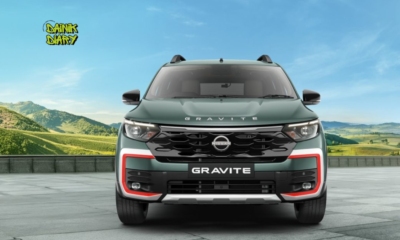
Nissan is preparing to enter India’s crowded midsize SUV battlefield with the Tekton, a model inspired by the legendary Patrol and built to take on segment leaders like Hyundai Creta, Kia Seltos, and even its sibling, the Renault Duster.


After years of depending heavily on the success of the Nissan Magnite, Nissan Motor Company is finally gearing up for a major comeback in one of India’s most competitive automotive segments.
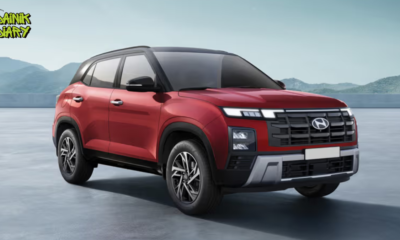
The company is all set to unveil the all-new Nissan Tekton on July 9, marking its entry into the fiercely contested midsize SUV market currently dominated by models such as the Hyundai Creta, Kia Seltos, Maruti Suzuki Grand Vitara, and Toyota Urban Cruiser Hyryder.
However, while the Tekton arrives with plenty of promise, its journey ahead may not be as straightforward as it appears.
Nissan’s ‘Baby Patrol’ Strategy Could Be a Game-Changer
One of the most interesting aspects of the Tekton is its positioning.
Unlike the Renault Duster, which relies heavily on its established nameplate and loyal fan base, Nissan is taking a different route by branding the Tekton as a “Baby Patrol.”
The inspiration comes from the iconic Nissan Patrol, a globally respected SUV known for its rugged capabilities and strong presence in regions such as the Middle East, Australia, and Africa.
By borrowing design cues and the adventurous image associated with the Patrol, Nissan hopes to give the Tekton a distinct personality from day one.
For many SUV buyers, the appeal of owning a more affordable vehicle inspired by a legendary global SUV could be a strong attraction.
Built on Proven Foundations
One of Tekton’s biggest strengths lies beneath its sheet metal.
Read More- BMW says its cars have been E25-Ready for years, Backs india’s ethanol push
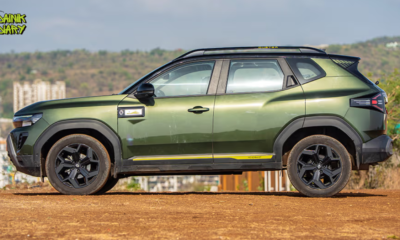
The upcoming SUV is expected to share its platform, mechanical architecture, and powertrain options with the latest Renault Duster. This partnership allows Nissan to benefit from existing engineering investments while reducing development costs.
The advantage is clear: a tested platform, localized manufacturing, and potentially competitive pricing.
For customers, that could translate into a product that offers modern engineering without the premium price tag often associated with all-new vehicle development.
A Much-Needed Flagship for Nissan India
For several years, the Magnite has shouldered the responsibility of keeping Nissan relevant in the Indian market.
While the compact SUV has delivered respectable sales, the company has lacked a strong contender in the higher-volume midsize SUV category.
The Tekton changes that equation.
Beyond direct sales, the vehicle could help increase showroom traffic, improve dealer confidence, and strengthen Nissan’s overall brand image among Indian buyers.
In many ways, the Tekton represents more than just a new SUV—it symbolizes Nissan’s renewed commitment to India.

Hybrid Technology Could Become a Secret Weapon
Industry observers are also closely watching Nissan’s plans for hybrid technology.
The Duster’s upcoming strong-hybrid variant has already generated significant interest, and if Nissan introduces a similar setup in the Tekton, it could provide a competitive edge over traditional turbo-petrol rivals.
With fuel efficiency becoming increasingly important for Indian consumers, a hybrid-powered Tekton could attract buyers looking for lower running costs without sacrificing performance.
But There’s One Major Challenge…
Ironically, the Tekton’s biggest competitor may not be Hyundai, Kia, or Toyota.
It could be the Renault Duster itself.
Since both SUVs share common underpinnings and are expected to offer similar mechanical packages, customers will inevitably compare them side by side.
Unless Nissan successfully differentiates the Tekton through styling, features, technology, and ownership benefits, many buyers may simply opt for the already-established Duster.
This internal competition could become one of the most fascinating battles in the Indian SUV market.
Brand Visibility Remains a Concern
Despite the success of the Magnite, Nissan’s retail footprint remains considerably smaller than rivals such as Maruti Suzuki, Hyundai Motor India, Tata Motors, and Kia.
Expanding dealership reach and improving after-sales confidence will be crucial if Nissan hopes to convince buyers to switch from more established brands.
For many customers, long-term ownership support is just as important as the product itself.
Modern Buyers Expect More Than Just Good Driving Dynamics
The SUV market has changed dramatically over the past decade.
While earlier buyers often prioritized rugged engineering and driving comfort, today’s customers expect a long list of premium features.
Large infotainment displays, panoramic sunroofs, connected car technology, ventilated seats, premium interiors, and advanced driver assistance systems (ADAS) have become major purchase factors.
Nissan cannot afford to compromise in this area if it wants the Tekton to compete effectively against established segment leaders.
The Road Ahead
The Nissan Tekton enters the market at a crucial moment for the company.
The resurgence of the Renault Duster has already demonstrated that Indian buyers continue to value well-engineered SUVs with strong road presence and practical capabilities.
For Nissan, the challenge will be transforming that shared foundation into something uniquely its own.
If the company successfully executes its “Baby Patrol” vision, offers competitive pricing, and delivers the features modern buyers demand, the Tekton could emerge as far more than just another alliance product.
It may become the SUV that finally restores Nissan’s relevance in one of India’s fastest-growing automotive categories.
The opportunity is massive—but so are the expectations.







Pingback: Nissan Tekton SUV Teased Ahead Of July 9 Debut: Bold Design, Hybrid Power & Big Expectations - Dainik Diary - Authentic News