Politics
Kharge ‘Purification’ Row Explodes: Rahul Gandhi Demands FIR, BJP Hits Back With ‘Anti-Dalit’ Charge
Rahul Gandhi called the alleged purification ritual after Mallikarjun Kharge’s Haldwani rally an act of untouchability and demanded action under the SC/ST Act, while the BJP turned the attack back on the Congress by invoking BR Ambedkar, Jagjivan Ram and the Wayanad nomination episode.

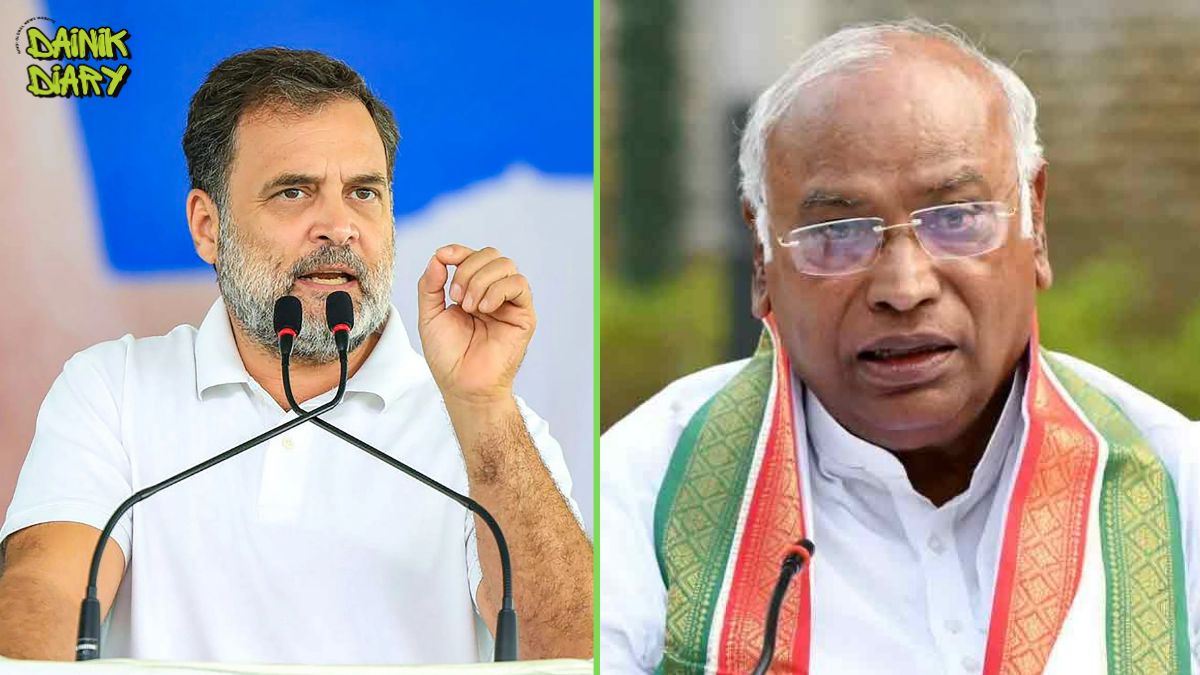
A political storm has erupted over an alleged “purification” ritual at a venue in Haldwani, where Congress president Mallikarjun Kharge had addressed a public rally. What began as a controversy over the alleged incident has now turned into a sharp confrontation between the Congress and the Bharatiya Janata Party (BJP) over Dalit dignity, untouchability and the political legacy of social justice.
Rahul Gandhi demands FIR over alleged ‘purification’
Leader of Opposition Rahul Gandhi strongly condemned the alleged ritual, describing it as an act of untouchability and linking it to what he called the “BJP-RSS mindset.”
Gandhi demanded that those responsible be booked under the Scheduled Castes and Scheduled Tribes (Prevention of Atrocities) Act, commonly known as the SC/ST Act.
He also questioned why, according to him, no action had been taken even around 20 days after the alleged incident. The Congress leader’s remarks pushed the controversy into the national political spotlight and intensified pressure on the ruling party.
For the Congress, the issue is no longer merely about what allegedly happened at a political rally. The party is framing it as a larger question of social discrimination and respect for Dalit leaders.
BJP turns the accusation back on Congress
The BJP, however, rejected the Congress’s political attack and responded with allegations of its own.
The ruling party accused the Congress of historically carrying an “anti-Dalit and feudal” mindset, arguing that Rahul Gandhi had no moral standing to lecture others on the rights and dignity of Dalits.
The BJP invoked the Congress’s historical relationship with Dr BR Ambedkar and former Deputy Prime Minister Jagjivan Ram, using both leaders to challenge the Opposition party’s record on Dalit representation and empowerment.
The party also accused Congress of repeatedly standing with forces that, in its view, sought to weaken or divide the country.
ALSO READ : UP Polls 2027: Yogi, Akhilesh Among 52 Leaders Given Bulletproof Jackets Ahead of Election
Wayanad nomination episode enters the political battle
The BJP also brought up Priyanka Gandhi Vadra’s 2024 Wayanad Lok Sabha bypoll nomination, pointing to Mallikarjun Kharge’s absence from the room during part of the nomination proceedings.
The episode had triggered political debate at the time, and the BJP has now revived it to question how the Congress treats its own president, who is one of the country’s most prominent Dalit political leaders.
By bringing the Wayanad episode back into the discussion, the BJP sought to shift the focus from the alleged Haldwani purification ritual to the Congress’s own record and internal political culture.
Haldwani row becomes a bigger battle over Dalit politics
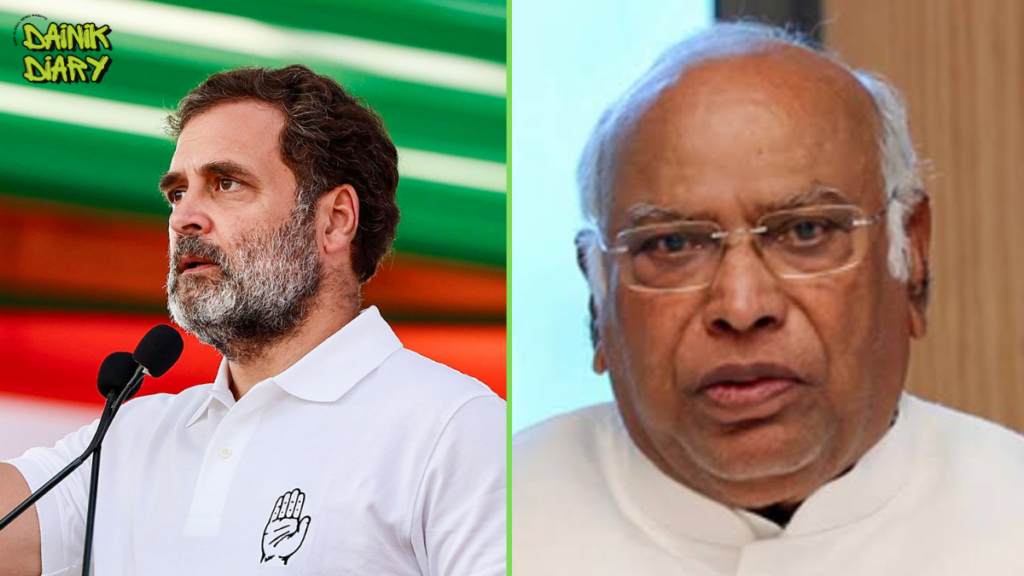
The controversy has now moved well beyond the alleged ritual itself. Both parties are attempting to turn the episode into a broader argument over who genuinely represents and respects Dalit communities.
While Rahul Gandhi is demanding legal action and portraying the incident as evidence of discriminatory thinking, the BJP is challenging the Congress by digging into its historical and recent political record.
With both sides trading serious allegations, the Kharge purification row is likely to remain a politically sensitive issue, particularly as questions of caste discrimination, social justice and Dalit representation continue to occupy an important place in Indian politics.
The key question now is whether the controversy will remain a political war of words or lead to further legal or administrative action over the alleged incident.