Soccer
It’s Not What Football Should Be, Virgil van Dijk Slams FIFA’s ‘Four-Quarter’ World Cup Rule
Liverpool captain questions hydration breaks after Netherlands’ 2-2 draw, as players and pundits warn of disrupted game flow.

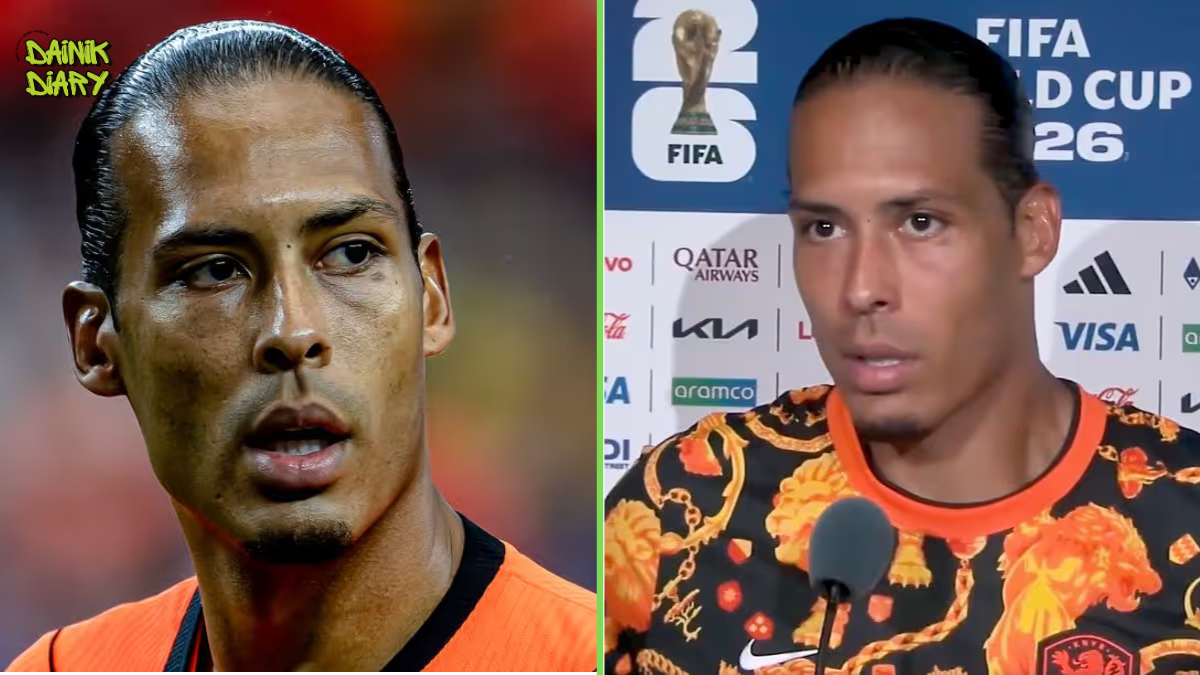
The FIFA World Cup has barely kicked off, but controversy is already brewing—this time over a rule change that has drawn sharp criticism from top players.
At the center of the debate is Virgil van Dijk, captain of the Netherlands and a key figure for Liverpool FC, who has openly questioned FIFA’s decision to introduce mandatory hydration breaks during matches.
A Draw Overshadowed by Frustration
The Netherlands began their campaign with a 2-2 draw against Japan, a result that left mixed feelings in the Dutch camp. Van Dijk himself made an impact, scoring with a powerful first-half header.
However, a late equaliser from Daichi Kamada denied the Dutch a winning start.
Yet, for Van Dijk, the frustration extended beyond the scoreline.
“Feels Like Four Quarters…”
The core of the issue lies in FIFA’s implementation of compulsory hydration breaks, which effectively split matches into four segments rather than the traditional two halves.
Despite the match being played in relatively mild conditions—around 20°C in Houston under a covered stadium—breaks were still enforced.
Van Dijk didn’t hold back in his assessment.
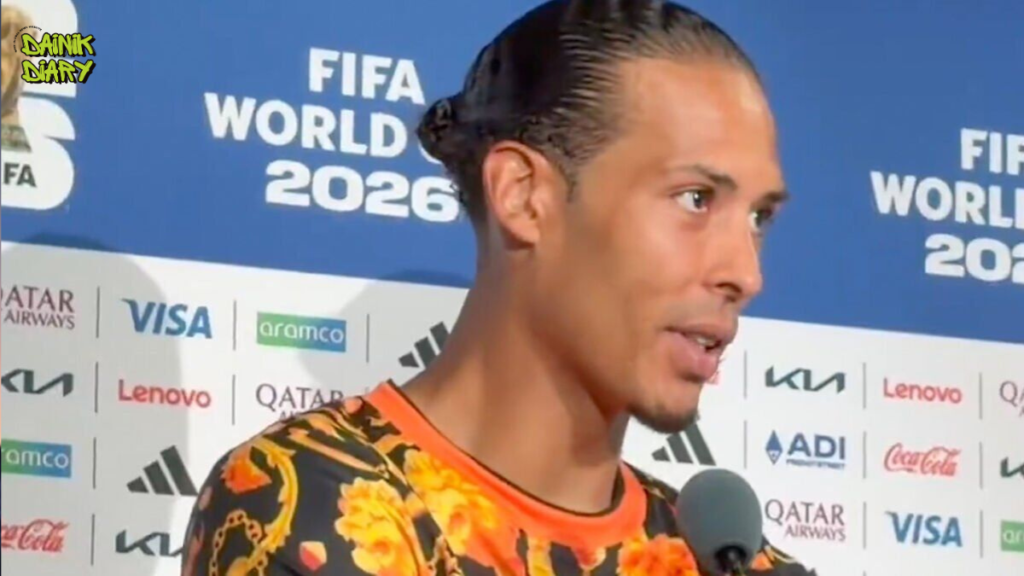
“Hydration breaks are a bit interesting… every time going to a commercial is not really what I like,” he said.
ALSO READ : FIFA World Cup 2026: Iran’s Mohammad Mohebi Scores Crucial Goal, But His Celebration Triggers Calls for Action… What Happened Next?
He further added:
“If it’s really hot, it makes sense. But you have to look at each game separately.”
His comments reflect a growing concern among players that the rhythm of football is being altered unnecessarily.
Players and Pundits Join the Debate
Van Dijk is not alone in his criticism.
Former Spain international Juan Mata, who has played for clubs like Manchester United and Chelsea FC, also voiced his concerns.
“When you are playing, you just want to keep going… those breaks disrupt the momentum,” Mata said, highlighting how interruptions can affect both attacking and defensive strategies.
Meanwhile, ex-England star Ian Wright offered a more critical perspective, suggesting that the motivation behind the breaks may not be purely about player welfare.
He hinted that commercial interests—particularly television broadcasting—could be influencing such decisions.
Player Welfare vs Commercial Interests
FIFA introduced hydration breaks primarily to protect players in extreme weather conditions, especially after concerns raised in previous tournaments held in hot climates.
However, critics argue that applying the rule uniformly, regardless of conditions, may be counterproductive.
“Football is a game of flow and emotion,” and any disruption, especially unnecessary ones, risks diluting the essence of the sport.
A Debate Far From Over
As the tournament progresses, the debate around hydration breaks is only expected to intensify.
While player safety remains a priority, voices like Van Dijk’s suggest that a more flexible, situation-based approach could strike the right balance.
For now, one thing is clear: even small rule changes can have a massive impact on how the beautiful game is played—and experienced.