Videos
JD Vance Takes Aim at Pakistan: ‘No Press Freedom’ Delayed Release of US-Iran Deal… Here’s What He Said
US Vice President JD Vance has sparked fresh debate after blaming Pakistan’s media environment for delaying the publication of the recently signed US-Iran peace agreement, raising questions about transparency and freedom of the press.

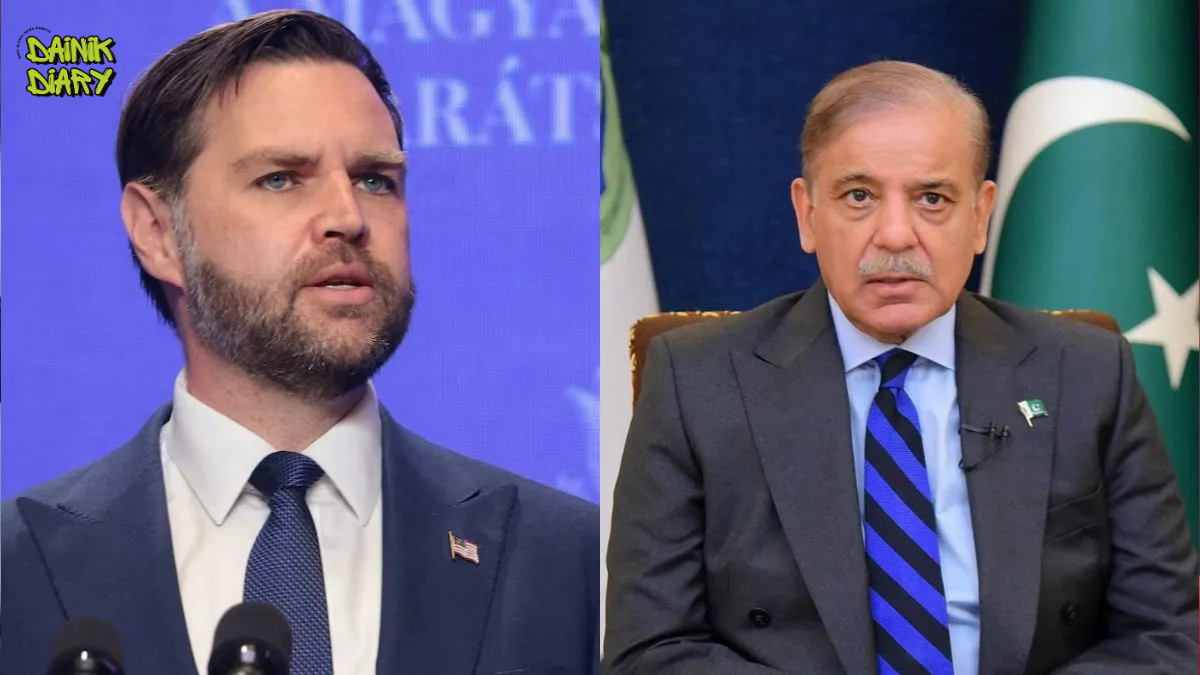
A fresh diplomatic discussion has emerged after US Vice President JD Vance publicly attributed the delayed release of the US-Iran peace agreement to what he described as a lack of press freedom in Pakistan and Qatar.
Speaking on the podcast Interesting Times with Ross Douthat, Vance revealed that the United States had originally planned to make the full text of the agreement public on June 15. However, according to him, the document was eventually released two days later than expected.
Explaining the delay, Vance pointed to differences in media systems between the United States and some of its international partners. He argued that the process of coordinating the release of the agreement was affected by varying approaches to information sharing and public disclosure.
ALSO READ : Trump Warns Iran ‘We Will Hit Very Hard Tonight’: Why Kharg Island Has Suddenly Become The Center Of A Dangerous New Standoff
“We actually wanted to get it out,” Vance said during the discussion, adding that countries such as Pakistan and Qatar do not operate under the same press freedom principles as the United States, where the First Amendment guarantees freedom of speech and freedom of the press.
The remarks have quickly attracted attention across diplomatic and political circles, particularly because they touch on sensitive issues surrounding media freedom and government transparency. While Vance’s comments were made in the context of explaining a procedural delay, they have reignited broader conversations about how different nations handle public access to official information.
The US-Iran agreement, which has been closely watched by international observers, is viewed as an important step in easing tensions and promoting regional stability. As a result, the timing and transparency of its release became a matter of considerable interest for governments, analysts, and global media outlets.
So far, there has been no immediate official response from either Pakistan or Qatar regarding Vance’s remarks. However, political observers believe the comments could trigger further debate over press freedom standards and diplomatic communication practices.
The episode highlights how even the release of a major international agreement can become the centre of wider discussions involving politics, media rights, and international relations.