World News
Trump’s 327-stock buying spree during tariff crash revealed: What did the US President know before markets rebounded?
Fresh financial disclosures show Donald Trump made hundreds of stock purchases during the April 2025 market slump, reigniting questions over ethics and timing.

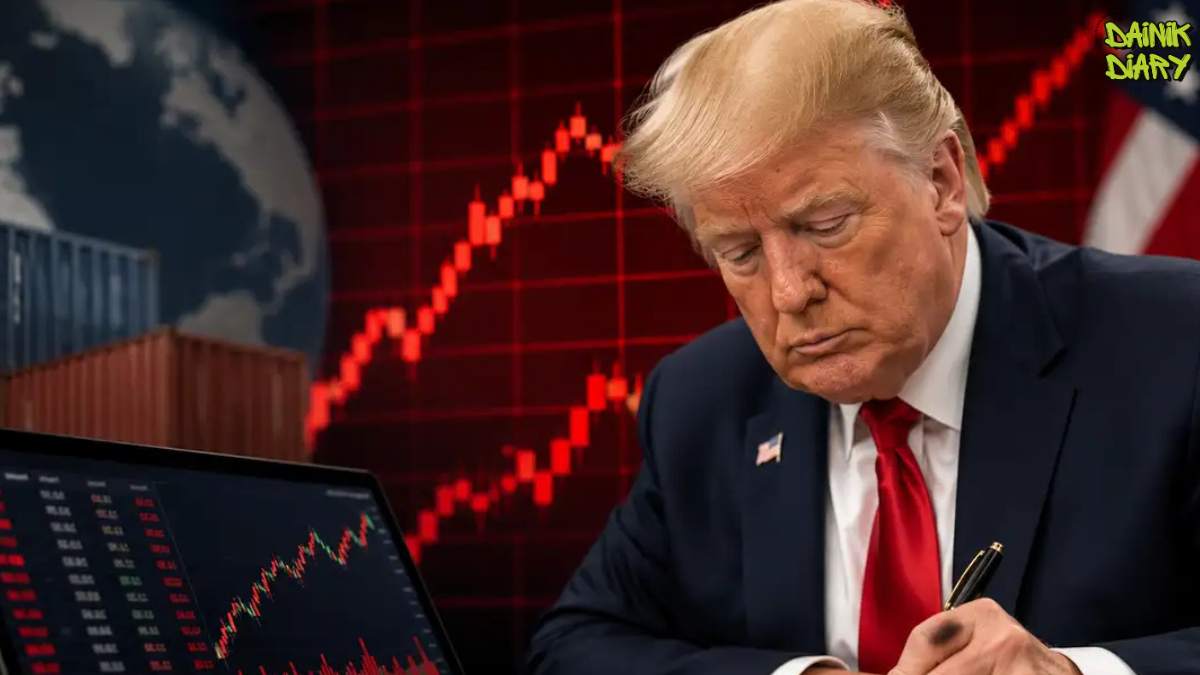
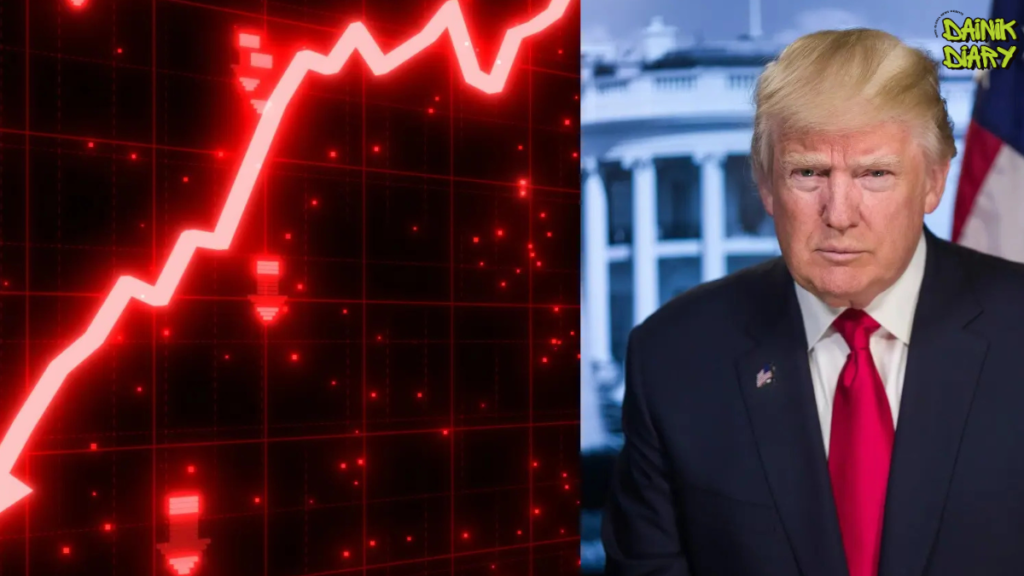
A fresh round of financial disclosures has put Donald Trump under the spotlight after reports revealed that the US President made a staggering 327 stock purchases on April 8, 2025, right in the middle of a tariff-driven market crash.
According to an analysis by CNBC, Trump went on an aggressive buying spree as global investors grappled with uncertainty triggered by his controversial “Liberation Day Tariff Plan.” The move came at a time when markets were witnessing sharp volatility and fears of a broader economic slowdown were dominating investor sentiment.
What makes the timing even more striking is what happened next.
On April 9, Trump publicly posted that it was a “GREAT TIME TO BUY”, shortly before announcing a partial rollback of the tariff measures. That policy retreat sparked a massive rally, with the S&P 500 surging more than 9.5%, marking one of its strongest trading sessions in recent years.
Disclosures suggest Trump invested in some of the biggest names in the market, including Apple, Alphabet, Amazon, Microsoft, and Nvidia — all of which saw strong rebounds after the tariff reversal announcement.
Market analysts say the disclosures paint a stark picture: while ordinary investors were panicking over the future of global trade and economic stability, Trump was actively buying into the dip.
ALSO READ : Trump Warns Iran ‘We Will Hit Very Hard Tonight’: Why Kharg Island Has Suddenly Become The Center Of A Dangerous New Standoff
CNBC’s breakdown reportedly notes that April 8 became Trump’s 11th busiest stock-buying day of the year, with the number of transactions being more than five times his average daily activity of roughly 62 trades across the year.
The disclosures have now reignited long-standing debates in Washington over the ethical boundaries between political power and personal wealth.
Critics argue that a sitting President holds unmatched influence over market-moving policies, making personal stock trades during such volatile periods a serious concern. Supporters, however, may point out that disclosures are part of legal transparency requirements and do not necessarily indicate wrongdoing.
Still, the overlap between policymaking and private investment remains a sensitive issue.
With Trump once again in the political and economic spotlight, these revelations are likely to fuel deeper scrutiny over whether stronger safeguards are needed to separate public office from personal financial interests.