World News
“Netanyahu Cornered?” US-Iran Peace Push Puts Israel PM in Political Trap as Elections Near
Donald Trump’s reported diplomatic push on Iran and Lebanon leaves Benjamin Netanyahu squeezed between foreign policy pressure and rising domestic election stakes

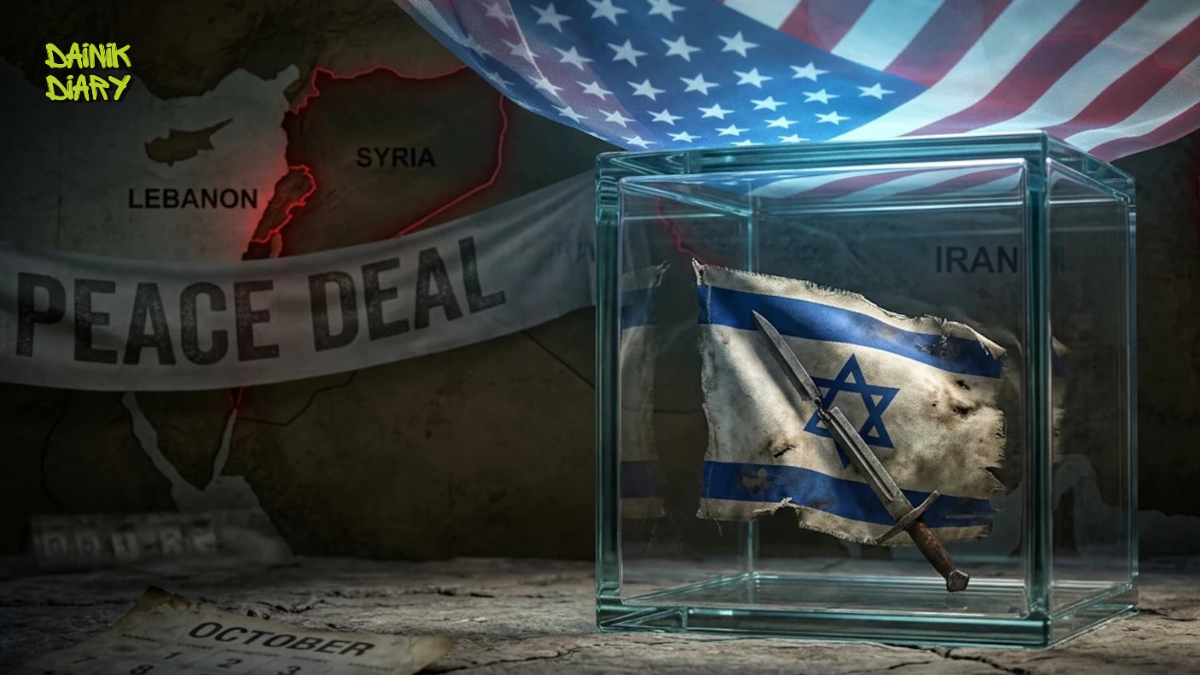
A fresh geopolitical tension is unfolding in the Middle East as a reported US–Iran peace initiative backed by Donald Trump is creating political pressure on Benjamin Netanyahu, just as Israel moves closer to a crucial election cycle.
According to emerging reports, the diplomatic push involving Iran and Lebanon has placed Netanyahu in a difficult position, limiting his strategic flexibility on key regional security decisions. Analysts suggest that the shifting international dynamics are narrowing Israel’s room for independent military or diplomatic maneuvering.
The development comes at a sensitive moment for Netanyahu, whose leadership is already under intense scrutiny domestically. With elections approaching, the Israeli Prime Minister now faces competing pressures—balancing national security concerns with increasing diplomatic expectations from allies, particularly the United States.
ALSO READ : Trump Warns Iran ‘We Will Hit Very Hard Tonight’: Why Kharg Island Has Suddenly Become The Center Of A Dangerous New Standoff
Reports indicate that the evolving US-led peace efforts could reshape the broader regional equation, especially if progress is made on reducing tensions involving Iran-backed groups in the region. However, within Israel, such diplomatic shifts are politically complex and deeply divisive.
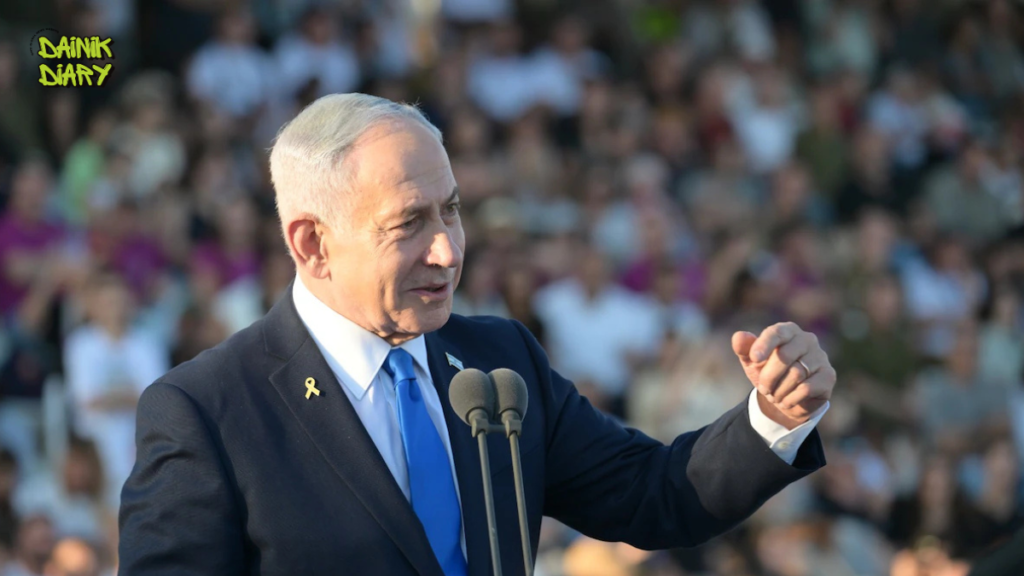
Netanyahu’s options now appear constrained: pushing back strongly risks friction with Washington, while aligning too closely with external peace efforts could trigger domestic political backlash from hardline supporters. This “political box,” as analysts describe it, is expected to play a significant role in shaping Israel’s election narrative in the coming months.
Meanwhile, opposition voices in Israel are closely watching the situation, using the diplomatic developments to question the government’s long-term strategy on Iran and regional security.
As global diplomacy intensifies and election politics heat up, Netanyahu finds himself at the intersection of international pressure and domestic expectations—where every move could carry significant political consequences.