
World News
Weak, Isolated And Ineffective: Israeli Opposition Tears Into Netanyahu After Surprise US Iran Peace Deal
Yair Golan says years of Netanyahu’s security strategy have ended in failure, while far-right leaders insist Israel will not be bound by the US-Iran agreement.

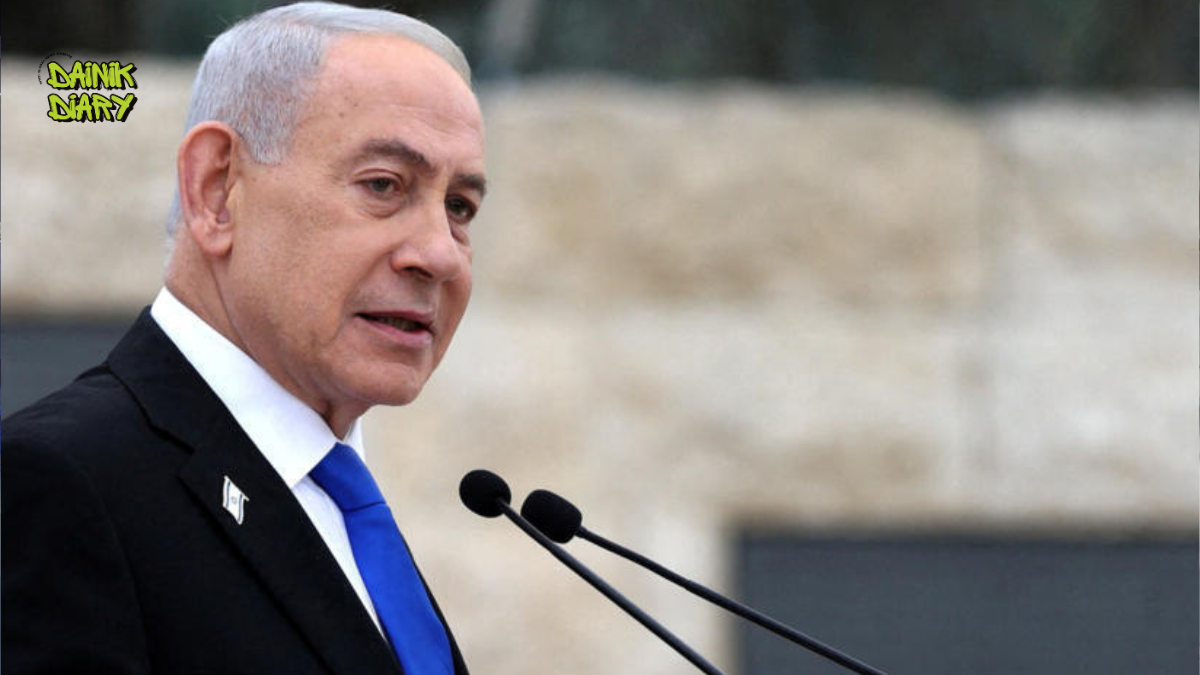
US-Iran Peace Agreement Sparks Political Storm in Israel
A newly announced United States-Iran peace agreement has triggered a fierce political backlash in Israel, with opposition leaders accusing Prime Minister Benjamin Netanyahu of allowing a major diplomatic setback that could reshape the region’s security landscape.
Leading the criticism was Yair Golan, head of Israel’s opposition party The Democrats, who described the development as a severe blow to Israel’s strategic interests. In a strongly worded statement, Golan argued that years of military and diplomatic efforts had been undermined by an agreement negotiated without Israel’s direct involvement.
Golan Accuses Netanyahu of Strategic Failure
According to Golan, the deal represents a turning point that exposes what he called the shortcomings of Netanyahu’s long-standing security doctrine. He claimed that significant military gains achieved by Israeli forces have been diluted by an agreement that, in his view, leaves key Iranian capabilities intact.
The opposition leader argued that the accord provides economic and political relief to Tehran while failing to fully address concerns over Iran’s nuclear ambitions and ballistic missile program. He also accused Netanyahu of becoming increasingly isolated on the international stage, resulting in Israel having less influence over critical regional decisions.
Growing Questions Over Israel’s Security Policy
Golan went beyond criticizing the agreement itself and launched a broader attack on Netanyahu’s leadership record. He alleged that policies pursued over the years weakened Israel’s diplomatic alliances and reduced its ability to shape events in the Middle East.
The opposition chief further claimed that promises of achieving a “total victory” against regional threats have not materialized, arguing instead that Israel now faces stronger adversaries and a more complicated security environment.
His remarks reflect growing political divisions within Israel over how the government has handled regional conflicts, relations with allies, and the challenge posed by Iran.
ALSO READ : Historic Takeoff, First Commercial Flight Lands at Noida Airport in Jewar, A New Era for UP Aviation Begins
Far-Right Minister Rejects Deal’s Authority
The criticism was not limited to the opposition. Israel’s National Security Minister Itamar Ben-Gvir, a prominent figure on the country’s far-right, also voiced strong objections to the agreement.
Ben-Gvir emphasized that Israel remains a sovereign nation and should not be obligated to follow terms negotiated between Washington and Tehran. His comments suggest that resistance to the deal could emerge from multiple corners of Israeli politics, despite differing reasons for opposing it.
A New Challenge for Netanyahu
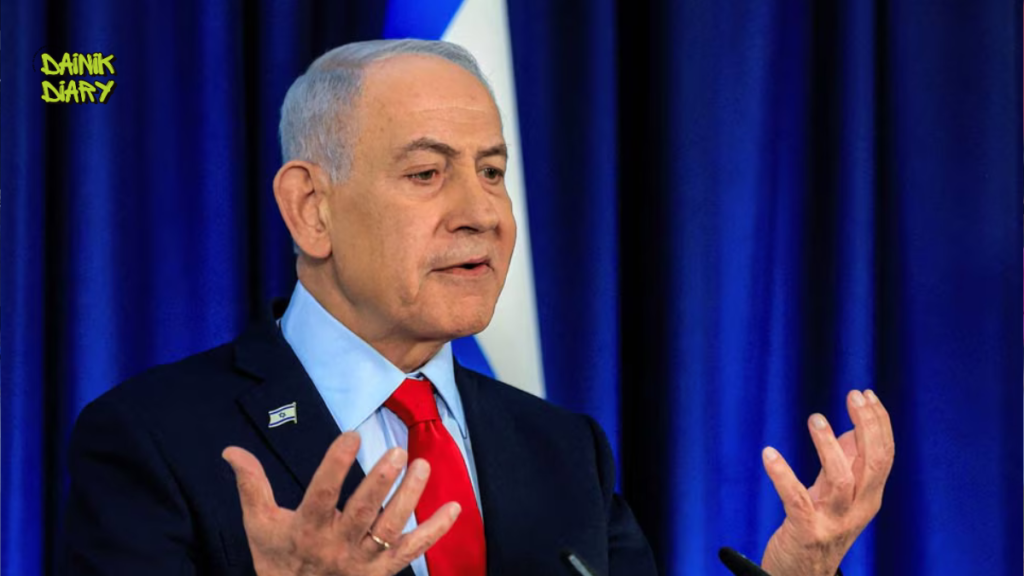
The controversy arrives at a sensitive moment for Netanyahu, who has built much of his political identity around national security and confronting Iran’s influence in the region.
As debate intensifies, the US-Iran agreement is likely to become a major political issue inside Israel, with critics questioning whether the government did enough to protect the country’s interests during negotiations.
With opposition parties escalating their attacks and some coalition voices expressing concern, the deal could further increase pressure on Netanyahu at a time when regional tensions and domestic political divisions remain high.
Whether the agreement ultimately contributes to stability or creates new security concerns will be closely watched not only in Israel and Iran but across the broader Middle East.