
Tech
Apple Cuts iPhone 16 Plus Price by ₹12,000 as iPhone 17 Price Hike Looms: Is This the Best Time to Buy?
Apple’s iPhone 16 Plus has reportedly received a major price reduction as the company prepares for the next-generation iPhone 17 lineup, which could arrive with higher prices amid rising component costs.

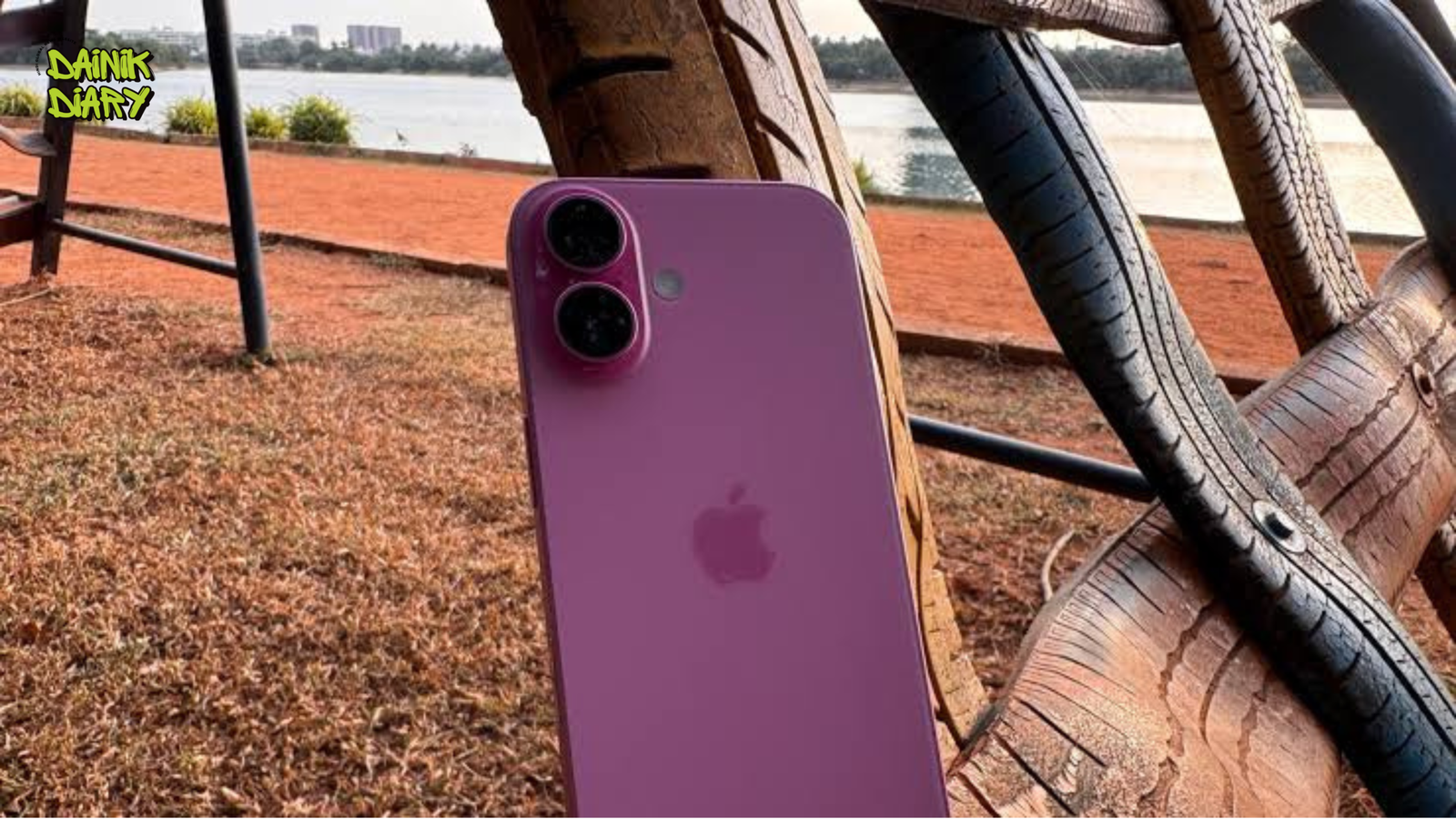
If you have been waiting to buy an iPhone but were holding back because of the price, there may be an interesting opportunity right now.
Apple has reportedly reduced the price of the iPhone 16 Plus by ₹12,000, giving buyers a potentially attractive reason to consider the previous-generation model before the next iPhone lineup arrives.
The timing of the price cut is particularly interesting.
The upcoming iPhone 17 series is reportedly expected to become more expensive, with rising component costs and a global memory chip shortage putting pressure on smartphone manufacturers.
That means consumers currently considering an iPhone could soon face a choice between buying the discounted iPhone 16 Plus or paying more for the newer generation.
iPhone 16 Plus gets a ₹12,000 price cut
The reported ₹12,000 reduction on the iPhone 16 Plus comes at a time when attention is gradually shifting towards Apple’s next-generation smartphones.
The iPhone 16 Plus remains a relatively recent model, offering users a large display and Apple’s current-generation hardware without having to pay the premium expected for the upcoming iPhone 17 family.
For buyers who do not necessarily need the newest model, the price reduction could make the iPhone 16 Plus a more compelling proposition.
Apple’s previous-generation iPhones often become more attractive when their prices fall following the arrival or impending launch of newer models. This time, however, the situation could be slightly different because the next generation is reportedly facing upward pricing pressure.
Why could the iPhone 17 become more expensive?
The expected price increase is reportedly linked to rising costs across the smartphone supply chain.
A global memory chip shortage has reportedly added pressure to component prices, while the growing demand for hardware associated with artificial intelligence is also contributing to higher costs for certain components.
Read More- iQOO Z11 Lite 5G Launched in India at ₹19,499: Massive 6,500mAh Battery and 120Hz Display Take Centre Stage…
These factors could make it more expensive for smartphone manufacturers to build their next-generation devices.
For Apple, that could eventually translate into higher retail prices for the iPhone 17 lineup.
The exact amount of any potential increase has not been officially confirmed, and Apple has not announced final pricing for the upcoming iPhone series.
Still, the possibility of a price hike has created an interesting situation for consumers.
Is this the right time to buy an iPhone?
For someone who wants an iPhone and does not necessarily need the latest model, the current price reduction could be worth considering.
The iPhone 16 Plus offers a large-screen experience and remains capable of handling everyday tasks, photography, gaming and other demanding smartphone activities.
Buying the previous-generation model at a lower price can often make more financial sense than paying a premium for the newest device, particularly when the differences between generations are not essential for a particular user.
However, buyers who want the latest camera technology, processor upgrades and new features may still prefer to wait for the iPhone 17 lineup.
The decision ultimately comes down to priorities.
If saving money is the main goal, the discounted iPhone 16 Plus could be the more sensible choice.
If having the newest iPhone matters more, waiting for the iPhone 17 may be worth the additional expense.
Existing iPhone 17 stock could also become more expensive
The reported pricing pressure may not necessarily affect only future production.
According to the information currently circulating, existing stock of the iPhone 17 could also see pricing changes once the new pricing structure takes effect.
This makes the current period potentially important for shoppers who have already been considering an iPhone purchase.

However, consumers should keep in mind that prices can vary between Apple’s official channels, authorised retailers and e-commerce platforms, particularly during promotional sales.
Apple buyers face an interesting choice
The reported iPhone 16 Plus price cut comes at a fascinating moment for the smartphone market.
On one side, buyers have a discounted previous-generation Apple smartphone that could offer strong value.
On the other, the upcoming iPhone 17 series is expected to bring newer hardware but potentially at a higher price.
The situation also highlights a broader challenge facing the smartphone industry. As manufacturers invest more heavily in AI capabilities and compete for increasingly sophisticated components, the cost of producing high-end smartphones could continue to rise.
For Indian consumers, exchange rates, taxes, import costs and local pricing strategies can also influence the final retail price.
Should you buy the iPhone 16 Plus now?
The answer depends largely on what you expect from your next phone.
If you are comfortable buying a previous-generation model and want to save money, the reported ₹12,000 price cut could make the iPhone 16 Plus worth a closer look.
On the other hand, if you are planning to keep your phone for several years and want the latest technology, waiting for the iPhone 17 lineup could be the better option — provided you are prepared for potentially higher pricing.
For now, Apple has not officially confirmed the reported iPhone 17 price increase.
But one thing is clear: the window for buying an iPhone at the current price may not remain open forever.
With the next generation expected to bring new features and potentially higher costs, the discounted iPhone 16 Plus could become one of the more interesting options for Apple fans looking to save money.
As always, buyers should check the latest official pricing and compare offers before making a purchase, as discounts and retail prices can change quickly.