
Economy
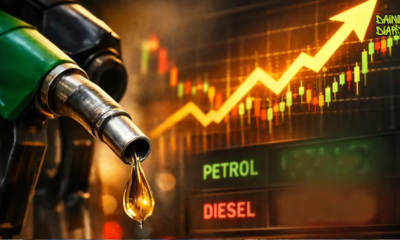
Crude Oil Falls, But Petrol Prices Stay High… Why India’s Fuel Rates Don’t Move the Way You Expect
Despite a sharp drop in Crude Oil Prices, Indian consumers are still paying nearly the same at the pump — here’s the real reason behind the disconnect.


In global markets, the story of Crude Oil Prices has been quite dramatic. After surging during tensions in the Middle East, prices have now eased back closer to pre-war levels. But for Indian consumers, one question remains unchanged — why is petrol still expensive even when crude is getting cheaper?
The answer lies in how India’s fuel pricing system actually works.
According to data from the Petroleum Planning & Analysis Cell (PPAC), the average price of India’s imported crude basket dropped significantly — from over $113 per barrel in March 2026 to around $90 per barrel by June 2026. On paper, this should have brought relief at fuel stations.
ALSO READ : Moradabad Gold Prices Shock Market… 24K Hits ₹1.49 Lakh! (24 June 2026)
However, reality tells a different story.
In the same period, Petrol Prices in Delhi actually rose from around ₹94.77 per litre to ₹102.12 per litre. This mismatch has surprised many consumers, but experts say it is not unusual in the Indian system.
One of the biggest reasons is the structure of fuel pricing itself. Retail petrol rates are not directly linked to crude oil movements. Instead, they are heavily influenced by Excise Duty, State VAT, dealer commissions, and other fixed charges.
Even when global crude falls, governments do not always reduce taxes immediately. This is one of the key reasons why petrol prices often remain stable or move slowly, even during sharp international fluctuations.
Looking at long-term trends makes this even clearer. Over the past two decades, global crude oil has swung wildly — crossing $130 per barrel in 2008 and crashing to nearly $20 per barrel during the COVID-19 pandemic in 2020. Yet, India’s petrol prices have shown far less volatility.

During the post-COVID crash, crude prices fell sharply, but petrol in India stayed around ₹70 per litre and later moved upward again. Since 2022, Delhi Petrol Prices have mostly remained in a narrow range of ₹95 to ₹100 per litre, despite global oil moving between $70 and $100 per barrel.
This pattern highlights a key economic reality — India’s fuel prices are only partially linked to global crude trends. The rest is shaped by taxation policy, revenue needs, and market stabilization strategies.
For the common consumer, it means one thing: even when global oil gets cheaper, the relief at the pump is often delayed — or sometimes doesn’t arrive at all.






Pingback: Strait Of Hormuz Shock: ‘Record-Breaking’ 42 Ships Cross Amid War Calm… Is Normal Trade Returning Faster Than Expected? - Dainik Diary - Authentic News
Pingback: UAE Turns To India’s ‘Deadly Duo’ BrahMos & Akashteer… Why A Traditionally Western Arms Buyer Is Suddenly Looking East - Dainik Diary - Authentic News
Pingback: Trump Claims Iran Deal Will Bring ‘Payday’ For US Farmers… But Tehran Fires Back: ‘No Such Agreement Exists’ - Dainik Diary - Authentic News
Pingback: $80 Billion War Bill Shock: Pentagon Seeks Massive Funding For Iran Conflict Even As Peace Talks Continue - Dainik Diary - Authentic News
Pingback: Trump’s Sharp Remark: ‘Indians Won’t Do That’… Inside The Secret Ukraine Peacekeeping Plan That Was Rejected - Dainik Diary - Authentic News